A buddy of ours once rode 400 miles in a denim vest and sneakers. Made it home fine. Next ride, he low-sided at 25 mph in a gas station parking lot and lost a palm’s worth of skin off his elbow and shredded his ankle. Twenty-five miles per hour. That is the gap between looking like a rider and actually being geared like one.
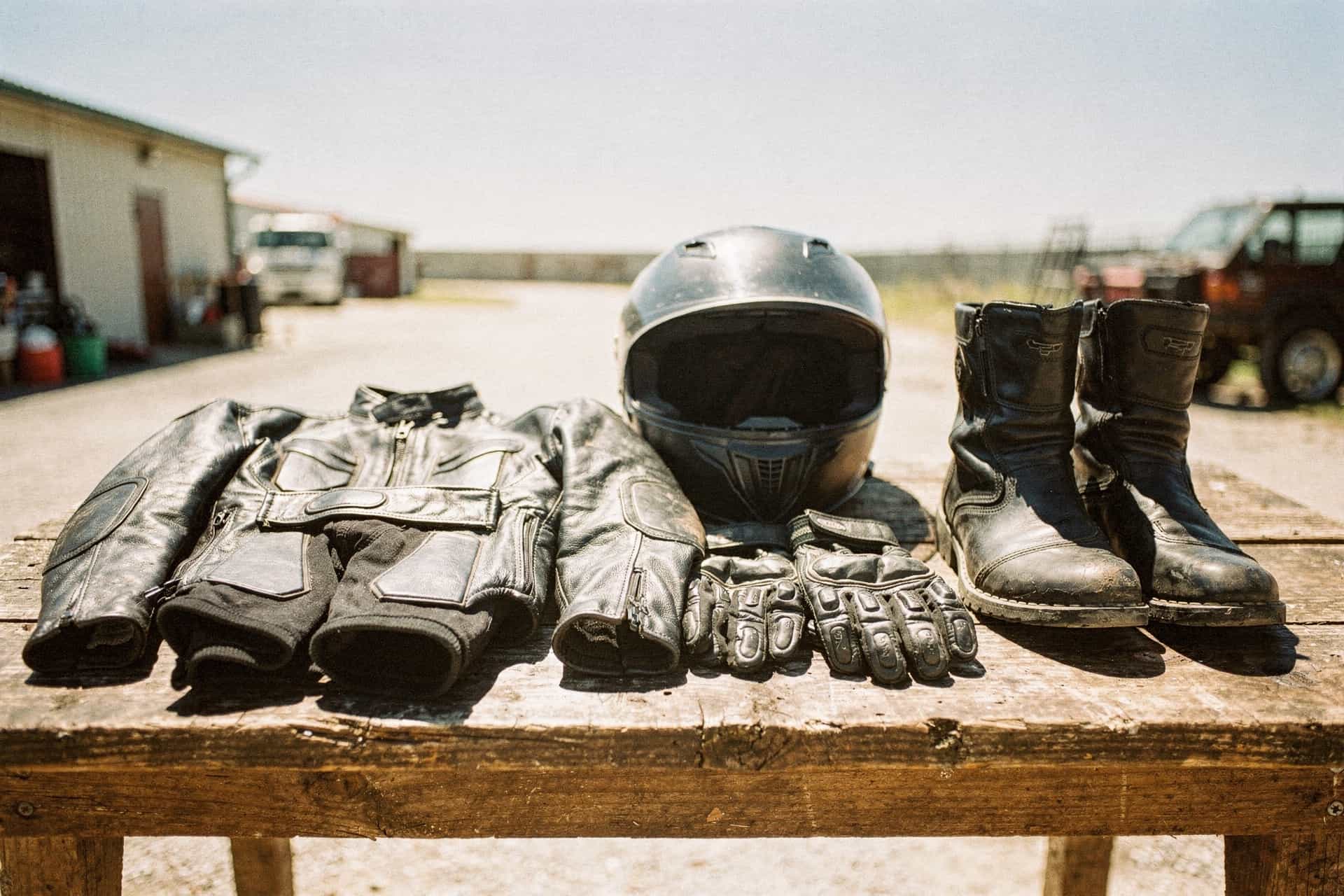
Biker gear is not about playing dress-up. Every piece - from the jacket on your back to the boots on your feet - exists because asphalt does not care how experienced you are. The right motorcycle gear keeps you riding longer, hurting less, and looking the part while doing both. If you are just starting out, our motorcycle beginner’s guide covers the full picture - licensing, first bikes, and how to build your kit from zero.
This guide covers every category of riding gear: jackets, boots, helmets, gloves, hoodies, shirts, and the accessories that separate a bare-bones setup from a complete kit. Whether you are gearing up for your first build or upgrading worn-out equipment, we have broken down what matters and what is marketing fluff.
Leather Jackets: The Foundation of Every Rider’s Kit
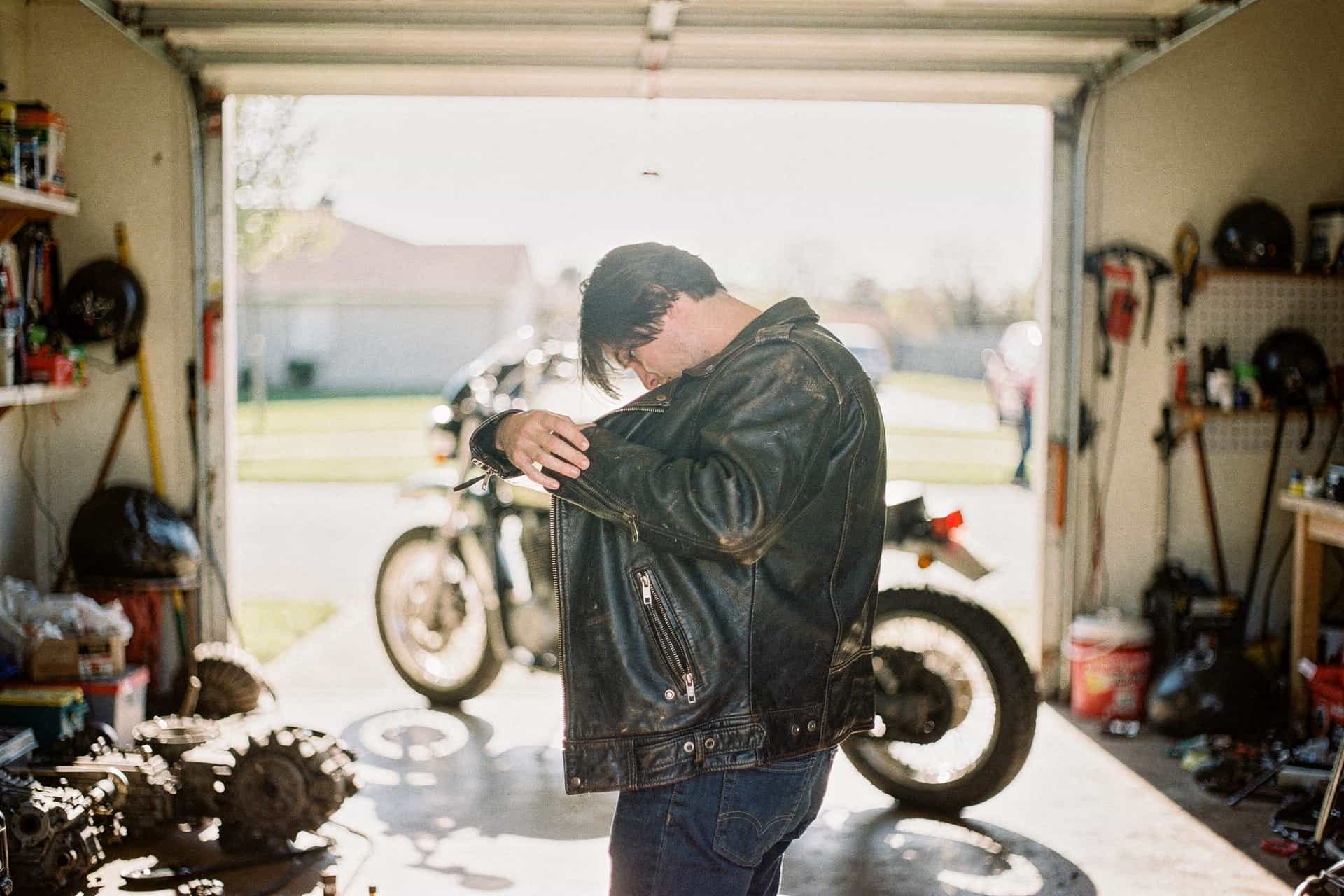
No single piece of biker gear carries more weight - literally and culturally - than the leather jacket. Marlon Brando wore one in The Wild One in 1953, and the silhouette has not changed much since. There is a reason for that. Leather works.
Why Leather Still Wins for Abrasion Protection
Full-grain cowhide between 1.0mm and 1.3mm thick offers roughly 4 to 6 seconds of slide time on asphalt before wearing through. That does not sound like much until you compare it to denim, which lasts under one second, or most synthetic textiles, which give you around 2 seconds. At highway speeds, those extra seconds are the difference between road rash and walking away sore but intact.
The EN 17092 standard, which replaced the older EN 13595 in Europe, classifies motorcycle garment protection into five tiers: Class C (impact protectors only, no abrasion), Class B (abrasion without impact protectors), Class A (basic protection), Class AA (standard road), and Class AAA (maximum protection, typically racing leathers). Most quality leather jackets land in the AA range. Top-shelf race leathers reach AAA.
Leather vs. Textile: The Real Trade-Offs
Textile jackets - typically Cordura nylon, Kevlar blends, or laminated Gore-Tex - have closed the protection gap significantly. A good Cordura 600D jacket with CE-rated armor panels handles daily commuting and touring well. But the differences still matter:
Leather advantages:
- Superior abrasion resistance per millimeter of thickness
- Conforms to your body over time - a broken-in leather jacket fits like nothing else
- Timeless look that works on and off the bike
- Better wind blocking at highway speed without flapping
Textile advantages:
- Waterproof options (laminated membranes built in)
- Lighter weight, better ventilation in warm climates
- Machine washable - try that with a leather jacket
- Usually cheaper for equivalent protection ratings
We have seen riders in our shop obsess over this choice for weeks. Honest take: if you ride a bobber or cruiser, leather is the move. It matches the aesthetic, it ages with character, and for the kind of riding most of us do - not track days, not cross-country touring in the rain - leather handles everything.
For touring riders logging thousands of wet miles, a quality textile jacket with a waterproof membrane makes more sense. No shame in that. Gear is about function first.
What to Look For in a Motorcycle Jacket
Regardless of material, these features separate a real riding jacket from fashion:
- CE-rated armor at shoulders, elbows, and back. CE Level 1 is the minimum. CE Level 2 transmits roughly 43% less force than Level 1 and adds almost no bulk with modern foams like D3O or SAS-TEC.
- Double or triple stitching on seams. Single-stitch construction can split on impact.
- Snug fit without restricting movement. Loose jackets let armor shift out of position. If the elbow pad is on your forearm during a slide, it is useless.
- Connection zip to attach to riding pants. An untucked jacket rides up in a crash, exposing your lower back and hips.
If you are looking for jacket recommendations, we put together a full breakdown in our 14 best motorcycle jackets for men article.
Motorcycle Boots: Where Rubber Meets Road
Your feet and ankles are the most commonly injured body parts in low-speed motorcycle accidents. Feet hit the ground first when things go wrong - planting a foot on a gravel patch, catching a shift lever awkwardly, or getting pinned under a dropped bike.
Anatomy of a Proper Riding Boot
A real motorcycle boot is not a fashion boot with a motorcycle label. Here is what separates the two:
- Ankle armor - rigid or semi-rigid protectors on both the medial (inside) and lateral (outside) ankle bones. These are the malleoli, and they fracture easily on impact.
- Reinforced sole - stiff enough to protect the ball of your foot on pegs but with enough flex to walk normally. Oil-resistant rubber is standard.
- Shift pad - a reinforced panel on the top of the left toe area where the shift lever contacts. Without it, the lever wears through leather fast.
- Heel and toe sliders - some racing boots include these; for street use, a reinforced heel counter is more important.
- Over-the-ankle height - minimum 8 inches. Anything shorter does not protect the ankle joint.
Engineer Boots, Harness Boots, and the Cruiser Standard
For bobber and cruiser riders, the engineer boot (also called a harness boot) has been the standard since the 1940s. Brands like Chippewa, Wesco, and Red Wing have been making them for decades. They offer genuine ankle coverage, heavy leather construction, and they look right on a stripped-down bike.
What most riders do not realize until they are 50 miles from home: traditional engineer boots often lack dedicated ankle armor. The thick leather provides decent abrasion resistance, but without a rigid protector, your ankle is vulnerable to crushing or twisting forces. Some modern moto-specific versions from brands like TCX, Alpinestars, and SIDI now integrate CE-rated ankle protectors into the classic silhouette.
Helmets: Non-Negotiable Protection
We are not going to lecture you about wearing a helmet. You already know the data: helmets reduce the risk of fatal head injury by roughly 37% and the risk of any head injury by 69%, according to NHTSA. In 2022, 54% of motorcyclists killed in crashes were not wearing helmets in states without universal helmet laws.
What we will do is help you pick the right one.
Helmet Types and What They Actually Protect
Full-face - covers the entire head including chin bar. The chin bar matters more than most riders think. Roughly 35% of all helmet impacts occur on the chin bar area, according to the Dietmar Otte study that analyzed 3,000+ motorcycle accidents. If your helmet does not have a chin bar, a third of the impact zone is unprotected.
3/4 (open face) - covers the top, sides, and back of the head. No chin protection. Popular with cruiser and bobber riders for the open-air feel and classic look. Better than nothing, significantly less protective than full-face.
Half helmet (brain bucket) - covers the crown only. Meets the bare minimum DOT standard in states that require helmets. Offers minimal protection. We will not pretend otherwise.
Modular (flip-up) - full-face helmet with a chin bar that flips up. Convenient for glasses, talking, and gas station stops. Some models lose structural integrity when flipped up during an impact. Check that the model you buy is certified in both open and closed positions - most are only certified closed.
Safety Standards: DOT, ECE, and Snell
Not all certifications are equal:
- DOT FMVSS 218 - the U.S. minimum standard. Self-certified by manufacturers (no independent testing required to apply the sticker). Covers basic impact absorption, penetration resistance, and retention system strength.
- ECE 22.06 - the current European standard (phased in from 2022, mandatory for all new helmet sales in the EU since January 2024). Independently tested in accredited labs. Tests more impact zones, includes rotational impact testing, and requires testing of the visor. Generally considered a tougher standard than DOT.
- Snell M2020D - a voluntary standard from the Snell Memorial Foundation. The most rigorous impact testing of the three. Snell helmets must pass higher energy impacts, including a double-hit test on the same spot. The focus on managing high-energy hits means some Snell-certified helmets use stiffer EPS liners that may transmit more force in lower-energy impacts. The companion M2020R standard aligns with ECE and FIM single-impact testing protocols.
- FIM - the international racing body’s standard. Only relevant if you are racing on a FIM-sanctioned track.
For street riding, a dual DOT/ECE certified helmet from a reputable brand is the sweet spot. For a deeper look at custom lids, check out our guide to the 16 greatest custom motorcycle helmets.
MIPS and Rotational Impact Systems
Multi-directional Impact Protection System (MIPS) and similar technologies (SPIN from 6D, Flex from Bell, Omni-Directional Suspension from Arai) address rotational forces - the twisting motion during an angled impact that can cause concussions and diffuse brain injuries. MIPS uses a low-friction liner that allows the helmet shell to rotate slightly relative to your head during impact, reducing rotational acceleration transferred to the brain.
Is it worth the upcharge? The research is strong. A 2021 study published in the Annals of Biomedical Engineering found MIPS-equipped helmets reduced peak rotational acceleration by 10 to 40% compared to identical helmets without the system.
Motorcycle Gloves: Protecting Your First Instinct
When you fall, your hands hit the ground first. It is pure reflex - you throw your hands out to catch yourself. Without gloves, that reflex costs you skin, knuckles, and possibly the ability to grip a handlebar again.
What Makes a Riding Glove
- Scaphoid protection - a palm slider or reinforced palm pad over the scaphoid bone (base of the thumb, heel of the hand). This is the bone most commonly fractured when you brace a fall. Hard sliders let your hand skid rather than catch and twist. Our deep-dive on motorcycle gloves with palm sliders covers how the Knox SPS system works and what to look for.
- Knuckle armor - hard or semi-hard protectors over the metacarpal knuckles. CE Level 1 rated at minimum.
- Pre-curved fingers - cut in a gripping position rather than flat. Reduces fatigue on long rides and improves bar feel.
- Gauntlet or short cuff - gauntlet gloves cover the wrist and tuck over or under the jacket sleeve. Short cuff gloves are cooler but leave a gap between glove and jacket where skin gets exposed.
- Touch-screen fingertips - not a safety feature, but good for GPS use without stripping gloves at every stop.
Getting the right size matters more with gloves than almost any other piece of gear. We put together a full guide on how to measure motorcycle glove size that walks you through it.
Summer vs. Winter vs. Three-Season
We hear this question in the garage every week: “Can I get one pair of gloves that works year-round?” Short answer - no. A glove that keeps your hands warm at 35 degrees will have you sweating through it at 85. Most riders who put in real miles own at least two pairs:
- Summer gloves - perforated leather or mesh textile, minimal insulation, maximum airflow. Some riders go with short cuff for hot weather. Protection trade-off is real, though.
- Winter/cold weather gloves - insulated, waterproof or water-resistant, gauntlet cuff to seal against wind. Thicker construction means less bar feel, so sizing up slightly helps.
- Three-season - a mid-weight leather glove with light insulation works from about 50 to 80 degrees. This is the workhorse pair for most riders.
Hoodies, T-Shirts, and Riding Apparel
Not every ride calls for full armor. A Saturday morning ride to the diner with your crew, a poker run, a bike night - sometimes a hoodie and jeans is the move. The key is knowing the difference between gear that protects and apparel that represents.
Motorcycle Hoodies: The New Rider Staple
The motorcycle hoodie has exploded in the last decade. Brands like Speed and Strength, Icon, and Klim now make hoodies with built-in CE armor at the shoulders, elbows, and back. Kevlar lining adds abrasion resistance. From the outside, they look like a normal hoodie. Underneath, there is actual structure.
For the rider who wants something that works on and off the bike - rolling into a bar after a ride, hanging at a show, walking around town - an armored hoodie splits the difference between a riding jacket and street clothes.
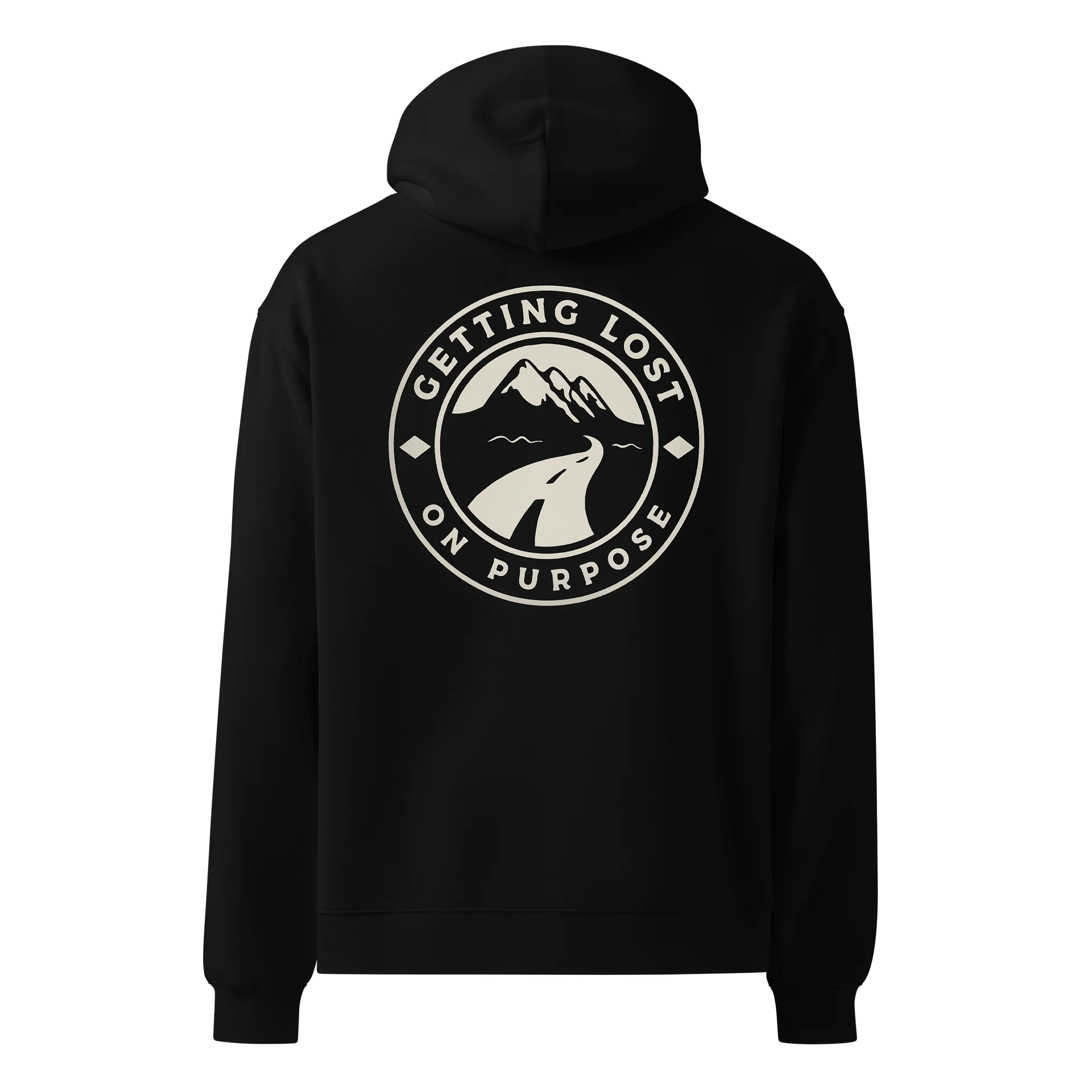
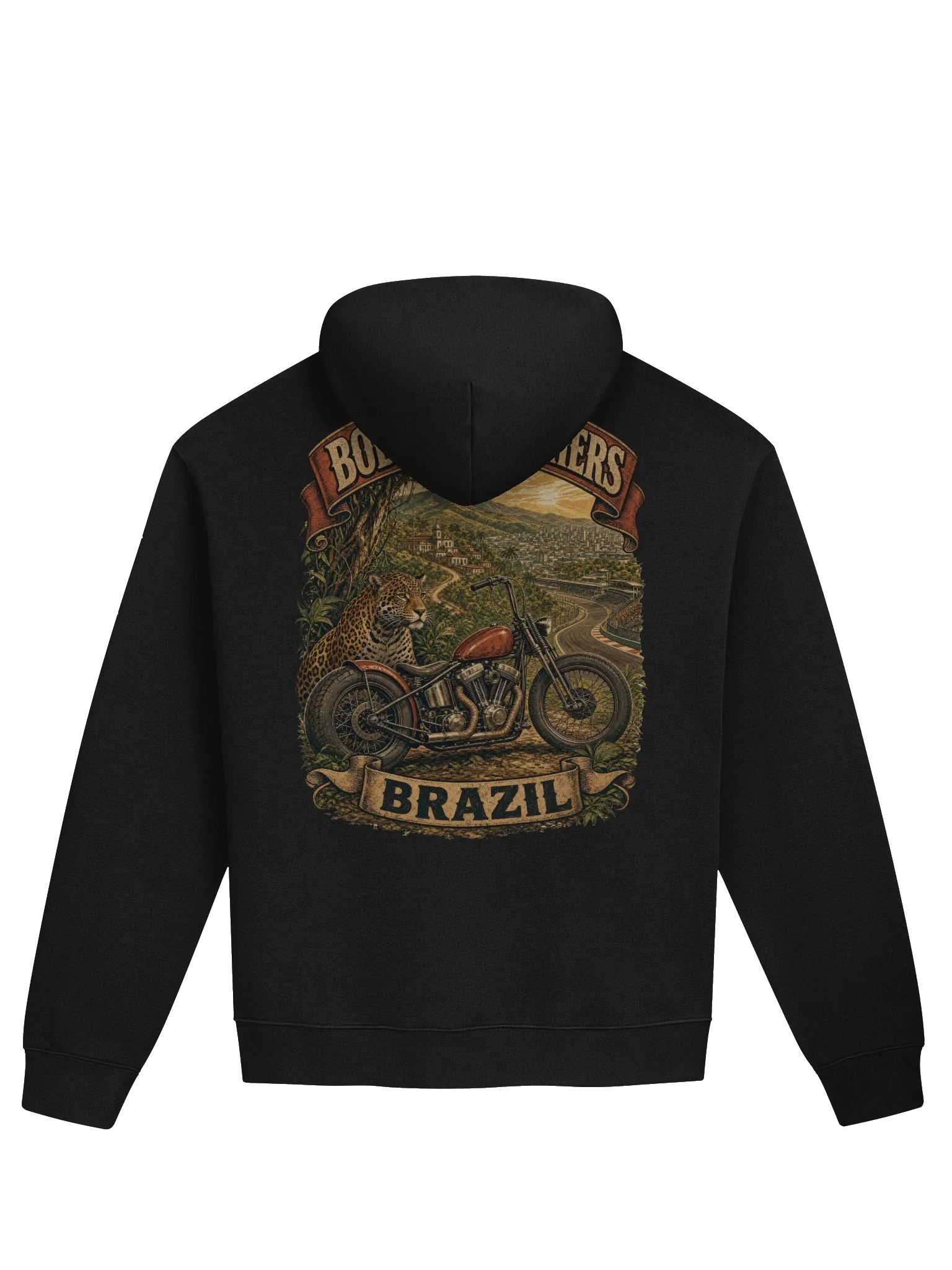
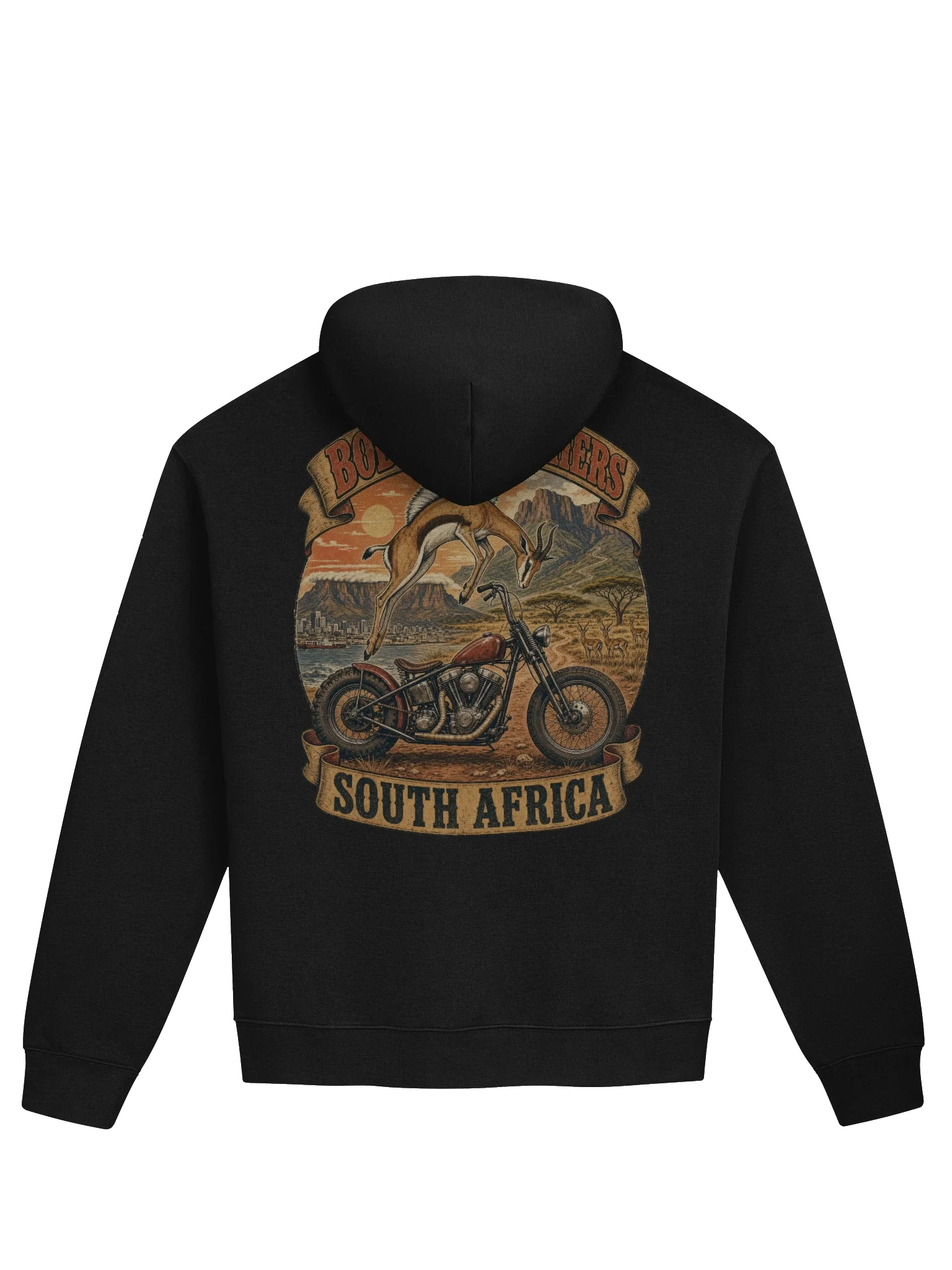
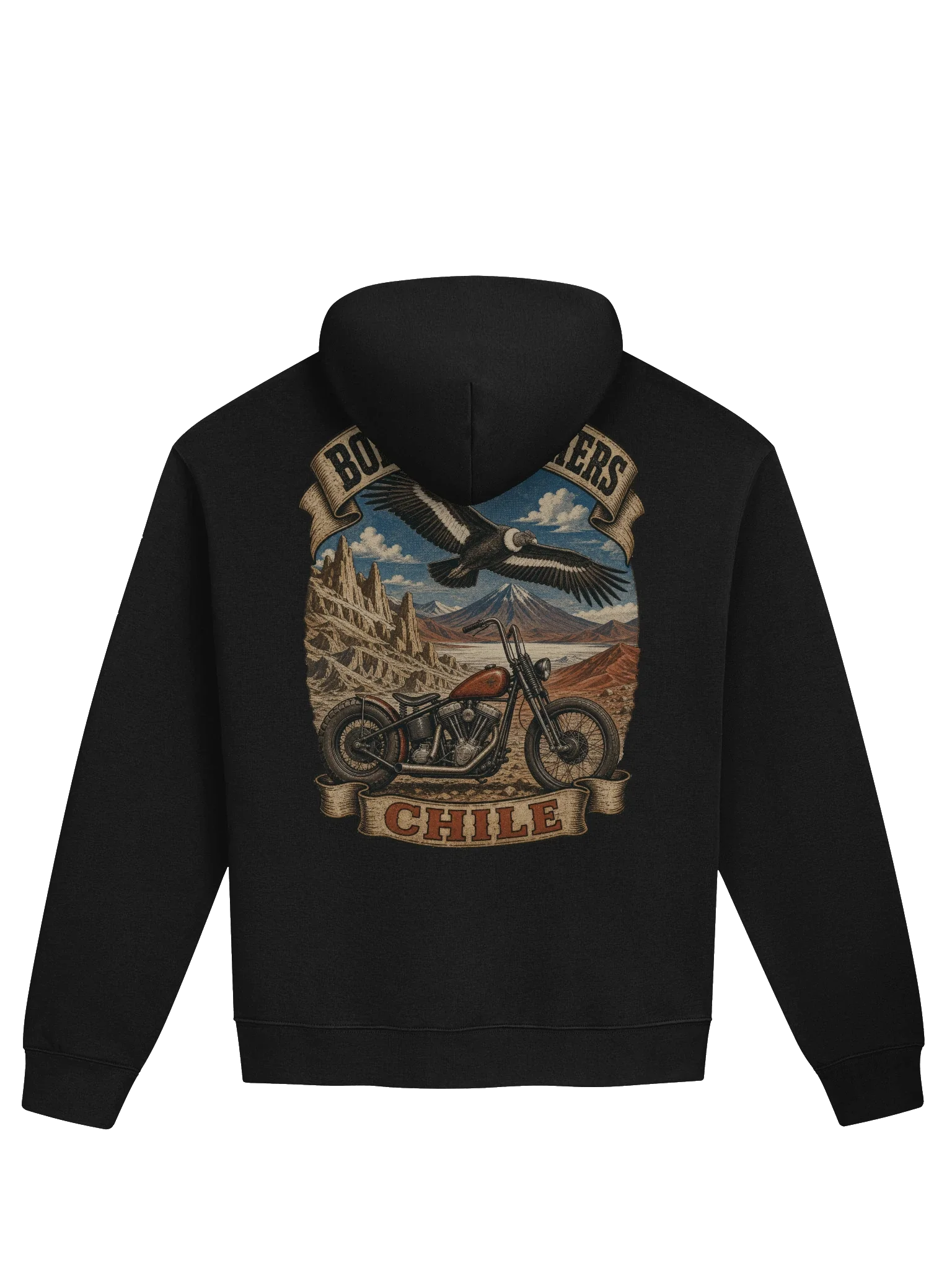
We carry a full line of motorcycle hoodies built for exactly that life. Not armored - these are culture pieces, designed to rep the lifestyle. For the full breakdown on what is out there, check our motorcycle hoodies guide.
Biker T-Shirts: Wearing the Culture
A good biker tee does not need armor. It needs weight, quality graphics, and a message that means something. Thin, cheap tees with generic skulls are the motorcycle apparel equivalent of a bolt-on kit - they look the part for about five minutes.
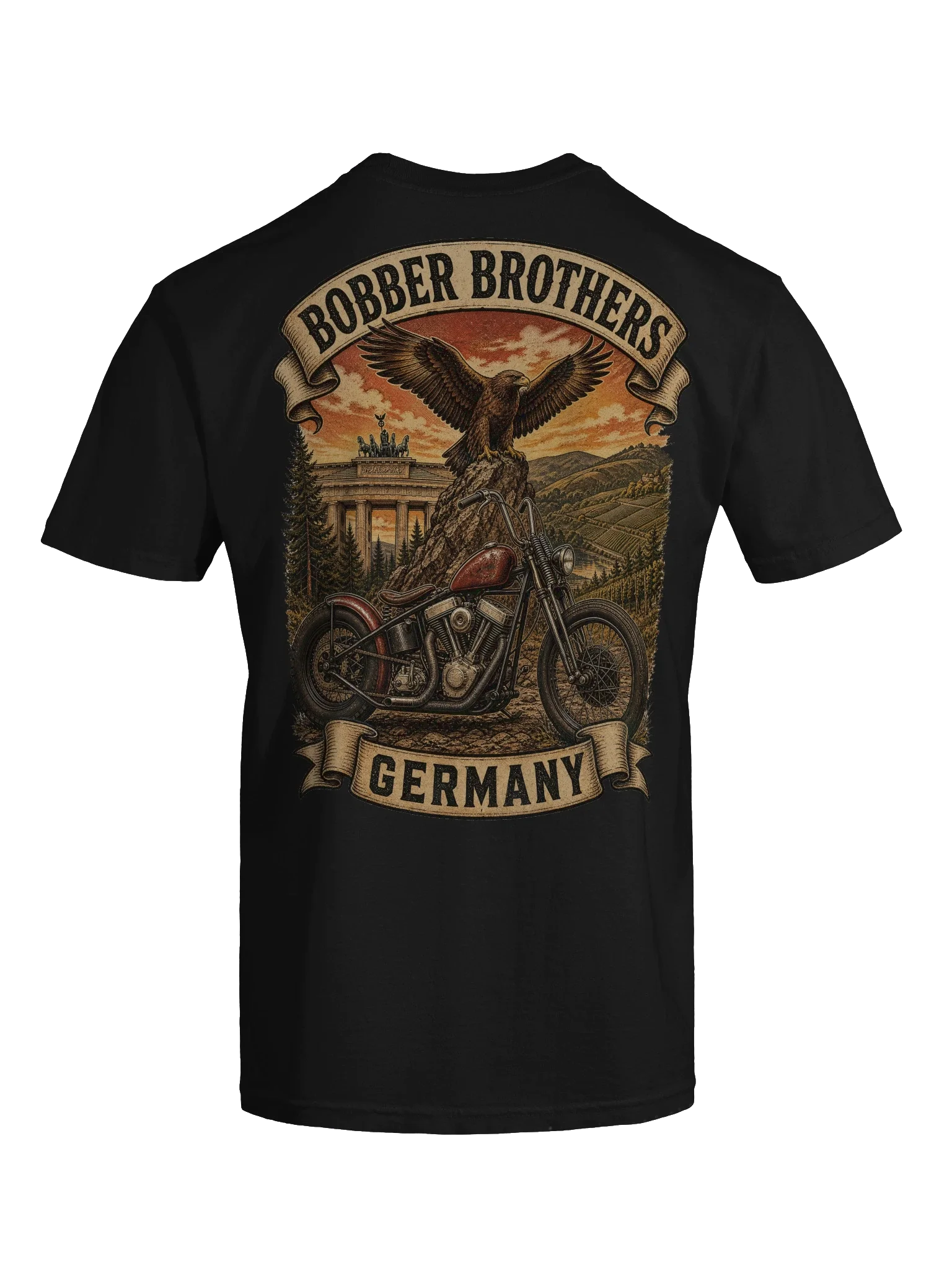
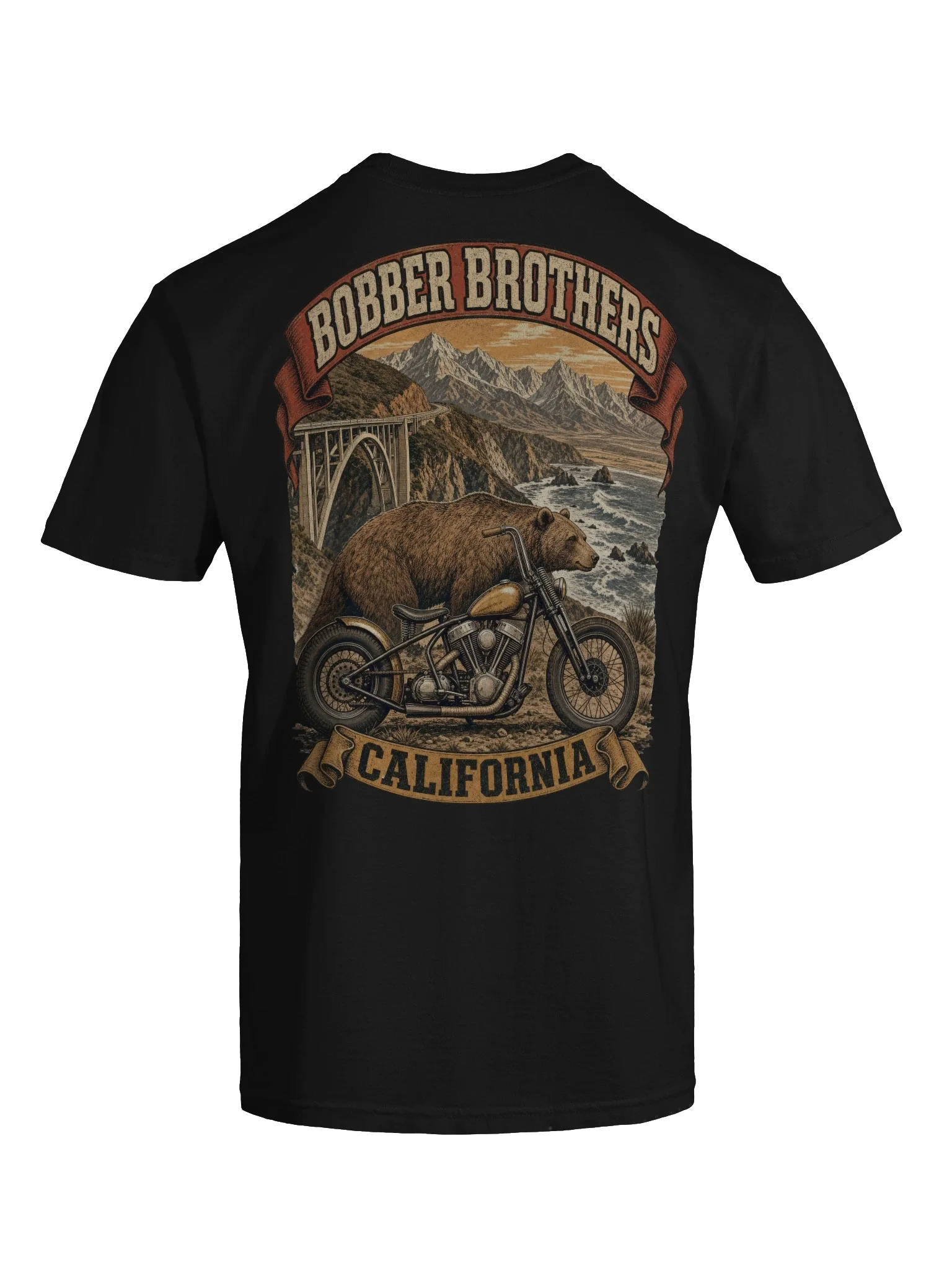
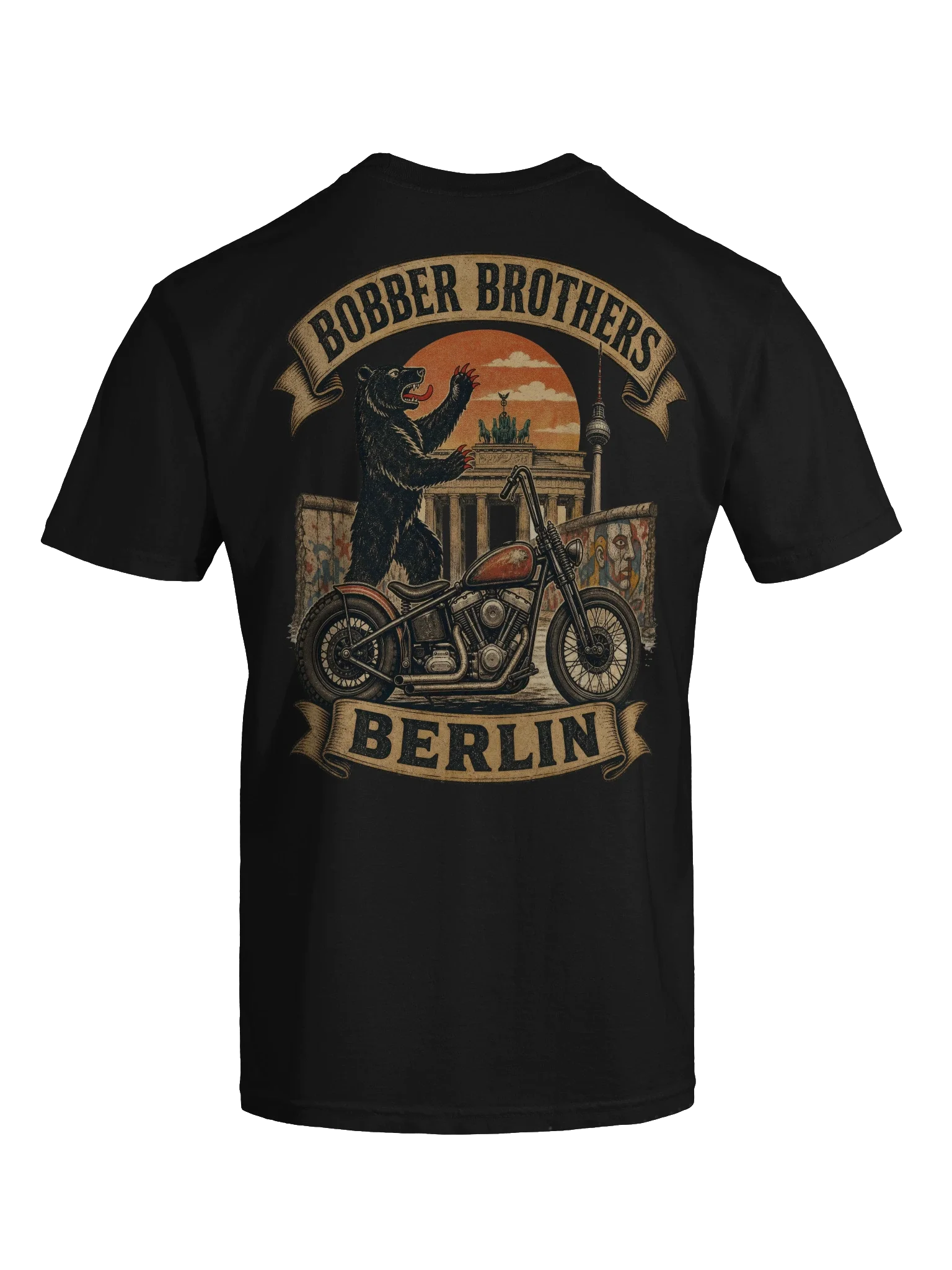
What we look for in a riding tee: heavyweight cotton (at least 5.3 oz, ideally 6.0+), pre-shrunk, and screen-printed or DTG-printed graphics that do not crack after three washes. Our t-shirt collection runs on that standard. Designs like “Built Not Bought” and “Loud Pipes Save Lives” are not just slogans - they are earned statements.
For a deeper look at biker shirts and what separates real rider apparel from mass-market knock-offs, we have a full article on it.
Biker Fashion Beyond the Bike
The crossover between motorcycle culture and mainstream fashion has been happening since the 1950s, and it is not slowing down. Leather jackets, engineer boots, graphic tees, and patched vests have become staples in streetwear. The difference between fashion pieces and real rider gear comes down to construction and intent.
We covered this in depth in our biker fashion guide - how to build a wardrobe that works whether you are on two wheels or two feet. And if you’re looking specifically at vests - whether a leather riding vest, a denim cut, or a club-style vest with room for patches - our biker vest guide breaks down the different types and what each one signals in the riding world.
Patches, Vests, and MC Accessories
Patches are not decorations. In motorcycle culture, a patch on a vest carries meaning - club affiliation, rank, territory, memorial, or personal statement. Wearing the wrong patch in the wrong place can cause real problems. Wearing the right one tells a story.
For riders who are not part of a structured MC but want to represent, independent patches - builder pride, brand loyalty, humor, memorials - are fair game. We carry a solid selection of patches that let you customize your cut without stepping on anyone’s territory.
Riding Gear for Kids and Families
One thing we have learned running this brand for over a decade: riders do not stop being riders when they have kids. They put their toddler in a “Built Not Bought” onesie and start planning the first father-son ride. We get it. We stock children’s motorcycle clothing because the next generation of builders starts somewhere.
For kids who are actually riding - dirt bikes, mini bikes, pit bikes - real gear matters even more. Small bodies are more vulnerable. A proper DOT-certified youth helmet, gloves, and boots are non-negotiable. Do not put your kid on a mini bike in tennis shoes and a bicycle helmet.
Choosing Biker Accessories: What Actually Matters
The motorcycle accessories market is massive, and most of it is junk you do not need. Here is what actually earns its place in your gear bag:
Earplugs
Wind noise at highway speed typically exceeds 100 dB. Sustained exposure above 85 dB causes hearing damage. Custom-molded or quality foam earplugs rated NRR 25-33 are the cheapest, most impactful piece of riding gear you can buy. They cost a few dollars and save your hearing over decades of riding.
Neck Gaiters and Balaclavas
In cold weather, the gap between your helmet and jacket collar turns into a wind tunnel aimed at your neck. A fleece or merino wool gaiter solves it. In warm weather, a moisture-wicking balaclava prevents helmet liner sweat and keeps the interior cleaner longer.
Tool Rolls and Saddle Bags
Every bike should carry a basic tool roll: metric and SAE wrenches, a multi-tool, tire pressure gauge, zip ties, electrical tape, and a flashlight. Riders who think breakdowns only happen to other people have not logged enough miles yet.
Hydration
We had a guy bring his bike into the shop after he dumped it on a dead-straight road in July. No obstacle, no mechanical failure. He blacked out from dehydration. A hydration pack or even a water bottle bungeed to the frame costs nothing and prevents a potentially fatal situation.
Gift Gear: What to Buy the Rider in Your Life
If you are not a rider yourself but you are shopping for one, here is a cheat sheet ranked by how likely the gift is to actually get used:
- Gloves - riders burn through gloves faster than any other piece of gear. A quality pair is always welcome. Just make sure you know their size.
- A heavyweight hoodie - hard to go wrong. Check our hoodie collection for options that any rider would wear.
- Earplugs (custom-molded) - unusual gift, universally appreciated by riders who have tried them.
- T-shirts - safe bet. A biker tee in their size with a design that fits their attitude. Done.
- Gift card - if you do not know their size, style, or what they already own, let them pick. No shame in that.
- Coffee mug or koozie - low-cost, always useful, and it shows up in the garage where it belongs. Browse our full accessory lineup for ideas.
How to Build a Complete Biker Gear Kit on a Budget
You do not need to drop $3,000 in one trip. Build your kit in priority order:
First purchase: helmet. This is non-negotiable. A DOT/ECE certified helmet from a brand like Bell, HJC, Scorpion, or Bilt runs $150 to $300. Do not buy used - you cannot verify crash history, and the EPS liner degrades over time. Replace every five years.
Second purchase: gloves. $50 to $120 gets you CE-rated leather gloves with knuckle armor and a palm slider. Hands hit the ground first. Protect them early.
Third purchase: boots. $120 to $250 for quality motorcycle boots with ankle protection. Your work boots or hiking boots are better than sneakers, but purpose-built riding boots are better than both.
Fourth purchase: jacket. $200 to $500 covers everything from a solid textile jacket with removable armor to a mid-range leather jacket. This is where you start expressing personal style while getting real protection.
Fifth purchase: pants. The forgotten piece. Most riders have a good jacket and no riding pants. Riding jeans with Kevlar lining and CE knee armor start around $120. Full leather or textile overpants with hip and knee armor run $200 to $400.
Total for a solid starter kit: $640 to $1,370. Spread that over a few months and it is manageable. Your body is worth more than any of it.
CE Armor Ratings: A Quick Reference
CE (Conformite Europeenne) certification for motorcycle armor is defined under EN 1621 and covers different body zones:
| Standard | What It Covers | Level 1 Max Force | Level 2 Max Force |
|---|---|---|---|
| EN 1621-1 | Limb protectors (shoulders, elbows, knees, hips) | 35 kN average | 20 kN average |
| EN 1621-2 | Back protectors | 18 kN average | 9 kN average |
| EN 1621-3 | Chest protectors | 18 kN average | 15 kN average |
| EN 1621-4 | Inflatable protectors (airbag vests) | Varies by zone | Varies by zone |
Lower transmitted force numbers = better protection. CE Level 2 armor absorbs significantly more energy before transmitting force to your body. Modern materials like D3O, SAS-TEC, and Forcefield make Level 2 armor thin and flexible enough to forget you are wearing it.
The bottom line: always check for the CE label stamped directly on the armor insert. If it is not stamped, it is not certified - regardless of what the jacket’s marketing says.
Taking Care of Your Gear
Good motorcycle gear is an investment, and like any investment, maintenance determines longevity.
Leather care: Condition your leather jacket and boots every 3 to 6 months with a quality leather conditioner (Lexol, Obenauf’s, or similar). Avoid products with silicone - they seal the pores and prevent the leather from breathing. If your jacket gets soaked, let it dry at room temperature away from direct heat. Hair dryers and radiators crack leather.
Helmet care: Clean the exterior with mild soap and water. For the interior liner, remove it (most modern helmets have removable liners) and hand wash with gentle detergent. Replace the helmet after any impact, even if it looks fine - the EPS liner compresses internally and does not bounce back. Five years of use is the generally accepted replacement interval, as UV exposure and sweat degrade the materials.
Gloves: Leather gloves get stiff if they dry out. A light application of leather conditioner on the exterior keeps them supple. Never machine wash leather gloves. Textile gloves can usually be hand washed with mild soap.
Gear Up, Then Ride
Every piece of biker gear in your closet is a decision you made before you needed it. The jacket you pull on, the boots you lace up, the gloves you strap down - all of that happens before the ride, not during the crash. There is no rewind button on a low-side.
Build your kit piece by piece. Prioritize what protects you, then add what represents you. And if you are looking for apparel that lives at that intersection - gear that says something about who you are and how you ride - check out what we have built.
Ride safe. Ride loud. Ride geared.
Sources
- NHTSA - Motorcycles: 2022 Data - Federal crash data on motorcycle fatalities, helmet use rates, and injury statistics.
- COST 327 Motorcycle Helmet Study - Dietmar Otte’s research at Hannover Medical University on helmet impact zones (35% chin bar area).
- SATRA - EN 1621: Motorcyclists’ Protective Clothing Against Mechanical Impact - Official testing body reference for EN 1621-1/-2/-3/-4 force transmission thresholds.
- SATRA - EN 17092: Protective Clothing for Motorcycle Riders - European garment protection standard with Class C through AAA ratings.
- UNECE Regulation No. 22.06 - Current European helmet safety standard with rotational impact testing.
- RevZilla - CE Ratings in Motorcycle Gear - Accessible overview of CE armor standards and garment ratings.
- Snell Memorial Foundation - M2020 Standard - Full Snell M2020D/R helmet testing specification.