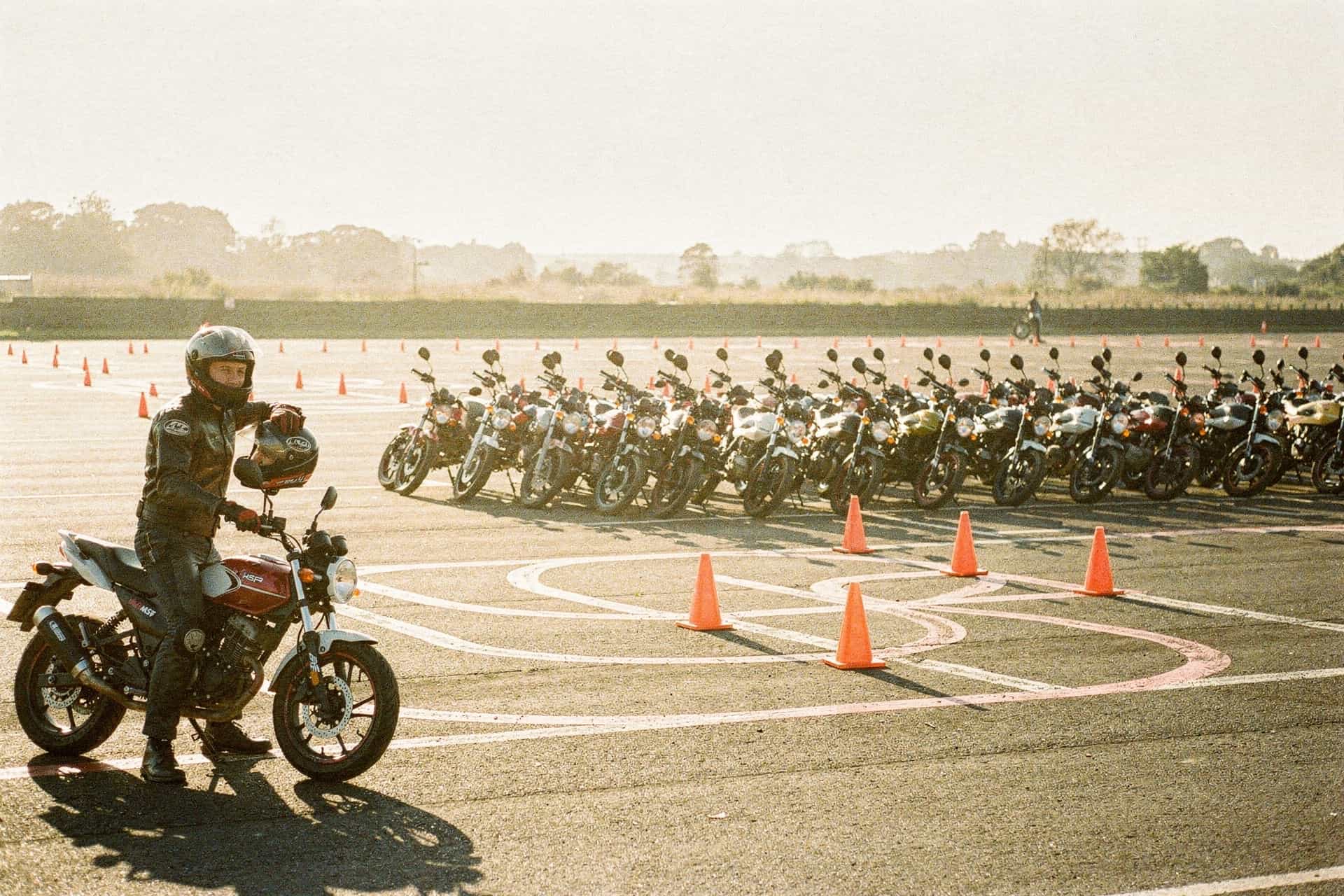
A parking lot at 7 AM on a Saturday. Cones set up in a grid. An instructor yelling “Head and eyes!” while you wobble through a figure-eight on a beat-up training bike. That is where most riding careers start - not on the open road, but in a roped-off section of asphalt trying not to drop a machine that weighs more than you expected.
The bike you ride in that course will not be the bike you buy. But the one you buy matters more than most new riders realize. Get it wrong and you either scare yourself off riding entirely or spend six months bored on something that cannot hold a lane on the interstate.
The list below is built from current, verifiable model-year specifications and prices, not from a spec sheet somebody copied five years ago. Where a bike on an older version of this guide is no longer sold new, we say so instead of quietly leaving the number up.
How We Picked These Bikes
Our six core recommendations had to clear five gates. The Scout Sixty Bobber is a clearly labeled exception for larger, disciplined beginners who accept its extra mass, power, and cost.
- Linear power delivery. A first bike must not surprise you. Singles and parallel-twins that build torque from low revs let you meter the throttle while you are still building muscle memory. Anything with a sudden step in the powerband is out.
- Seat height at or below about 31 inches, and weight under roughly 450 lb. These are our editorial thresholds, not a regulation. They exist because the two things that actually drop new riders are stopping on uneven ground and slow-speed U-turns, and both get harder the taller and heavier the bike is.
- ABS available, and preferably standard. Grabbing a fistful of front brake in a panic stop is one of the most common ways a new rider goes down. Every bike below is offered with ABS in current US trim, and most now include it as standard.
- Real parts and service support. A bike you cannot get a chain, a lever, or a fork seal for is a bad first bike regardless of how it rides.
- A price that survives being dropped. Your first bike will pick up scratches. Between roughly $4,900 and $8,000 new is the core range here. The $9,999 Scout is the exception, not the benchmark.
What is deliberately not on the list: a displacement ceiling. A 300cc bike is not automatically a beginner bike, and a 999cc cruiser is not automatically too much for everyone. How the power arrives matters more than how much of it there is.
The Picks at a Glance
Figures below are current US model-year specifications from manufacturer spec sheets and published road tests. MSRP excludes destination charges, which currently run about $600 on the Honda and $650 on the Kawasaki and Yamaha.
| Model | Engine | Power | Seat height | Weight | MSRP |
|---|---|---|---|---|---|
| Honda Rebel 300 E-Clutch (2026) | 286cc single | approx. 27 hp | 27.2 in | 379 lb curb | $5,349 |
| Honda Rebel 500 (2026) | 471cc twin | approx. 45.6 hp | 27.2 in | 414 lb curb | $6,799 (ABS standard) |
| Kawasaki Ninja 500 (2026) | 451cc twin | 51 hp at 10,000 rpm | 30.9 in | 372.6-377.1 lb | $5,399 / $5,799 ABS |
| Kawasaki Z500 ABS (2026) | 451cc twin | 51 hp at 10,000 rpm | 30.9 in | 335 lb dry | $5,699 |
| Yamaha MT-03 (2026) | 321cc twin | 42 PS at 10,750 rpm | 30.7 in | 373 lb wet | $4,999 (ABS standard) |
| Royal Enfield Meteor 350 (2026) | 349cc single | 17.9 hp measured | 30.1 in | 421 lb claimed | $4,899 |
| Indian Scout Sixty Bobber (2025-) | 999cc V-twin | 85 hp claimed | 25.6 in | 516 lb | $9,999 (ABS standard) |
Two notes on reading that table honestly. Weights are not directly comparable across brands: Honda and Kawasaki publish a curb weight for the Ninja 500 including fuel, Yamaha publishes a wet weight, and the published Z500 figure is a dry weight, which is why it looks so much lighter than it rides. Power figures are also mixed - Kawasaki and Indian quote claimed crank output, while the Meteor 350 number is a measured rear-wheel dyno result, which is always the smaller number.
Match the Bike to Your Body First
Before you argue about engines, sit on things. Seat height is the number every new rider fixates on, but it is only half the story - a narrow seat at 30 inches can let you flat-foot better than a wide one at 29.
- Under 5 feet 6 inches, or a short inseam. Start with the Rebel 300 or Rebel 500. Both sit at 27.2 inches, and the Rebel is narrow where your legs come down. The Indian Scout Sixty is lower still at 25.6 inches, but its 516 lb makes it a different proposition entirely.
- 5 feet 6 to 6 feet. Everything on this list works. This is where the Ninja 500, Z500, and MT-03 make the most sense, because their 30.7 to 30.9-inch seats stop being a stretch and start being neutral.
- Over 6 feet, or over about 220 lb. A 300cc single will feel undersized and you will outgrow it fast. Go to the Rebel 500, the Kawasaki 451cc twins, or, with real throttle discipline, the Scout Sixty.
- A commute with lots of stop-and-go. Pick an upright bike: Z500, MT-03, or a Rebel. The sportbike lean of the Ninja loads your wrists in traffic in a way that gets old by month two.
- Regular highway miles. Skip the 286cc and 349cc singles. A 450 to 500cc twin has the reserve you want for merging and passing.
Our guide to the main motorcycle categories is worth reading before you commit, because a lot of first-bike regret is really a category mismatch rather than a bad bike.
The Bikes
Honda Rebel 300 E-Clutch
The Rebel 300 may be the most forgiving motorcycle on sale. The 27.2-inch seat means most riders can plant both boots flat, and that confidence matters when you are stopped on a slope or crossing a gravel lot.
For 2026 Honda fitted its E-Clutch system, which actuates the clutch electronically so you never have to use the lever. Pull the lever anyway and the system stands down for five seconds, then hands control back. It is a genuine help for the first few hundred miles, when stalling at intersections is the thing most likely to rattle a new rider’s nerve.
The 286cc single is mechanically simple, and Honda has broad dealer and parts support. How long it remains satisfying depends on where and how you ride, especially how much highway work you expect.
The honest limitation: at 70 mph and above the engine is working, and it tells you so. For city riding, back roads, and learning the fundamentals, it is very hard to beat.
Honda Rebel 500
Same chassis and same 27.2-inch seat as the 300, with a 471cc parallel-twin making about 45.6 hp. For 2026 ABS is standard across the Rebel 500 range.
The twin is the reason to spend the extra money. It pulls cleanly through the whole rev range, has enough torque to merge onto a freeway without a white-knuckle moment, and is still docile at parking-lot speeds. At 414 lb curb it is 35 lb heavier than the 300, which you notice pushing it around the garage and almost never notice riding.
If you are over about 5 feet 8 inches or you expect to ride highways at all, this is the better buy of the two Rebels. The price gap is roughly $1,450, and the extra capability is what keeps you from shopping for a replacement in twelve months.
Kawasaki Ninja 500
This is the bike that replaced the Ninja 400 in the US lineup. The 451cc parallel-twin makes a claimed 51 hp at 10,000 rpm and 31.7 lb-ft at 7,500 rpm, and the whole bike weighs 372.6 lb without ABS or 377.1 lb with it.
It looks and sounds like a proper sportbike, and it has enough performance to stay interesting on a twisty road, but the power arrives in a straight line rather than a step. There is nothing at 8,000 rpm waiting to catch you out.
Buy the ABS version. The non-ABS bike saves $400 and takes away the single feature most likely to help during a panic stop. That is a bad trade at any price.
The thing to think about before you buy: the sportbike riding position puts weight on your wrists. Forty-five minutes of stop-and-go will remind you it exists.
Kawasaki Z500
Same 451cc engine, same 30.9-inch seat, upright naked-bike ergonomics instead of clip-ons, and ABS standard at $5,699. If you want the Ninja’s engine without the forward lean, this is the answer.
The practical difference is leverage. The Z500’s wider, higher bars give you noticeably more control at walking pace, which is exactly where new riders struggle. For commuting and city work it is the better of the two.
Yamaha MT-03
The cheapest bike on this list at $4,999, with ABS standard and the same 321cc twin as the YZF-R3 in a naked chassis. Yamaha rates it at 42 PS at 10,750 rpm, and it weighs 373 lb wet with a 30.7-inch seat. For 2026 it gained an assist and slipper clutch, which cuts lever effort by about 30 percent and takes the drama out of a clumsy downshift.
That last part matters more than the horsepower number. Botched downshifts are a beginner’s rite of passage, and a slipper clutch turns a rear-wheel hop into a non-event.
The MT-03 punches above its displacement because of its weight, not its power. It will not bore you after a month the way a 250cc single can, and parts availability is excellent. The used market is full of low-mileage examples, because riders tend to move up after a season or two.
Royal Enfield Meteor 350
The outlier here, deliberately. While every other manufacturer chases performance, Royal Enfield builds a proper small cruiser at $4,899 with a 349cc air/oil-cooled single, a 30.1-inch seat, dual-channel ABS, and a three-year unlimited-mileage warranty.
Be honest about the output. Cycle World’s dyno measured 17.86 hp at 6,070 rpm and 18.21 lb-ft at 2,800 rpm at the rear wheel, and about 90 percent of the torque is available from 1,800 rpm. That is not a highway bike. It is a bike that teaches throttle finesse, because you cannot lean on power to bail you out of a corner you entered badly.
Reliability improved substantially with the J-platform engine that arrived in 2020. It is a clean-sheet design rather than a descendant of the old iron-barrel motors. The caveat is the dealer network, which is thinner than Honda’s or Yamaha’s in much of the US. Check that you have a service point within a reasonable ride before you buy.
If riding is partly about being part of a culture - and if you are reading Bobber Brothers, it probably is - the Meteor delivers that from day one. It is also a natural donor if you eventually want to understand what makes a bobber a bobber.
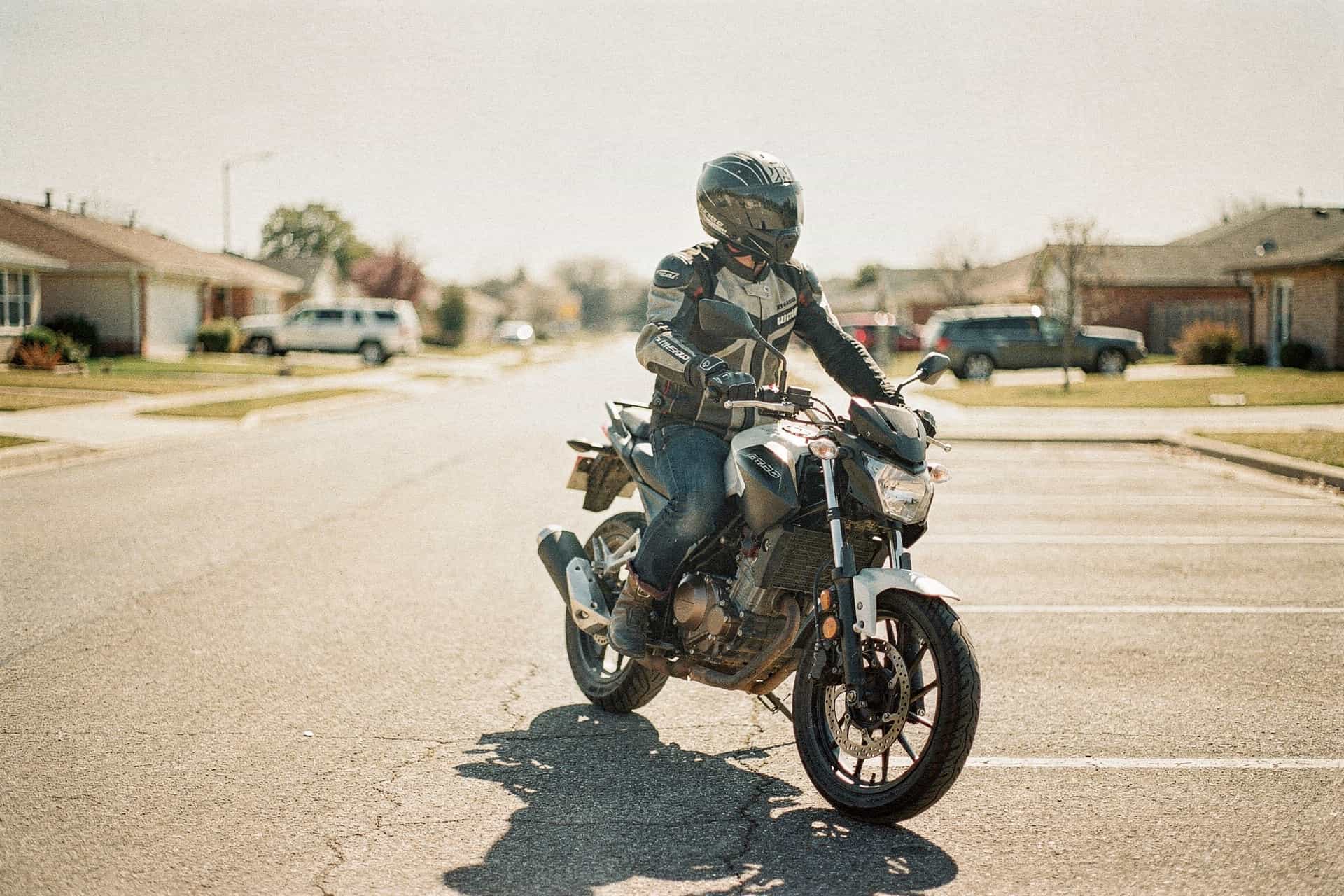
Indian Scout Sixty Bobber
Here is where we break from the start-on-a-300 orthodoxy, with conditions.
Indian redesigned the Scout Sixty for 2025 around a new 999cc liquid-cooled SpeedPlus V-twin making a claimed 85 hp and 65 lb-ft at 6,500 rpm, with a five-speed gearbox and ABS standard on all trims. The Bobber weighs 516 lb with a 25.6-inch seat, and standard trim starts at $9,999.
For a larger rider, a 300cc bike genuinely can feel like a toy. The Scout’s power is low and lazy rather than peaky, the seat is the lowest here by a wide margin, and the mass sits low enough that 516 lb rides lighter than it reads.
The condition is discipline. Eighty-five horsepower is real power, and a new rider who gets surprised by it will not enjoy the outcome. If you can keep the throttle reined in for the first few thousand miles and you take training seriously, it works. If you are the type to twist the grip and see what happens, start smaller. That is not a judgment - it is just an honest read on what this bike asks of you.
One planning note: Indian has said it will narrow the Scout Sixty range for 2027, so trim availability may look different by the time you shop.
Great Beginner Bikes You Can Only Buy Used
Two bikes that dominated beginner lists for years are gone from US showrooms. They are still excellent, and now they are cheaper.
- Kawasaki Ninja 400 and Z400. Replaced by the 451cc Ninja 500 and Z500. The 399cc twin made about 44 hp at 366 lb and is one of the best-handling small bikes ever built. Plentiful secondhand, with strong aftermarket support.
- Pre-2026 Honda Rebel 300 and 500. Mechanically the same bikes without the E-Clutch, and often thousands less. Check whether the specific bike has ABS, because it was optional on older Rebels rather than standard.
If a guide still lists the Ninja 400 at a new-bike MSRP, that guide has not been updated. Use it accordingly.
What Your First Motorcycle Actually Costs
The sticker price is the beginning, not the end. Ranges below are typical US figures and vary widely by state, age, and record.
| Expense | Typical cost |
|---|---|
| Rider training course | $0-$400 depending on state subsidy |
| Helmet (DOT or ECE certified) | $150-$400 |
| Jacket with CE armor | $150-$350 |
| Gloves | $40-$100 |
| Boots | $80-$200 |
| Insurance, first year | $400-$1,500 |
| Registration and title | $100-$300 |
| Destination charge on a new bike | $600-$650 |
Call it $1,000 to $3,000 on top of the bike. For what gear is worth buying and what is marketing, read our complete biker gear guide.
If money is tight, buy the gear first and the bike second. A helmet and an armored jacket cost less than a single emergency-room visit. And if you want riding apparel that comes out of the culture rather than a trend cycle, our collection is built by riders.
One thing gear cannot buy: gear does not make a bike safe to ride beyond your skill. Every recommendation here assumes you are also getting trained and riding within what you have actually practiced.
Used or New
For most first-time buyers, used is the smarter play.
Your first bike will pick up cosmetic damage. Dropped in the driveway, scraped on a curb, tipped over at a gas pump. On a used bike with existing wear, the first scratch does not sting. On a new machine, every mark feels like vandalism.
Depreciation is steepest in the first two years, and the used beginner market stays deep because riders move up quickly - one to three seasons is typical. That churn keeps supply high and prices sane.
New still wins in two cases: you want factory warranty coverage, or you want ABS without having to verify it bike by bike. On current models ABS is standard on the Rebel 500, MT-03, Z500, and Scout Sixty, and available on the Ninja 500.
What to inspect on a used bike:
- Brake discs for deep grooves, lips, or uneven wear
- Crash evidence: scuffed bar ends, ground-down peg feelers, bent levers, cracked fairing tabs
- Chain slack and sprocket teeth. Pull the chain at the rear sprocket; significant lift off the teeth means it is worn out
- Fluid leaks at the engine cases, fork seals, and brake lines
- A cold start. A bike that fires cleanly from cold is telling you something useful
- Fork action and tire date codes, which are stamped on the sidewall
- Maintenance records. Oil changes, chain adjustments, and valve checks all matter, and a first service interval like Harley’s 1,000-mile service exists on almost every brand in some form
- A VIN check for salvage or theft history before money changes hands
Training Is Not Optional
Take a certified course before your first road mile. Basic rider courses typically run about 15 hours over a weekend, use the school’s bikes, and in most states waive the riding portion of the license test.
The reason is not the license waiver. It is that the course drills low-speed control - tight turns, emergency stops, swerving - which is precisely where beginner crashes happen and precisely what nobody teaches themselves safely.
The licensing data makes the case bluntly. NHTSA’s Traffic Safety Facts for 2022 found that 35 percent of motorcycle riders involved in fatal traffic crashes were riding without a valid motorcycle license, compared with 16 percent of passenger vehicle drivers in fatal crashes. Getting properly licensed and trained is the floor, not the ceiling.
Bikes to Avoid as a First Ride
Supersports (600cc inline-fours). A Yamaha R6 or Honda CBR600RR makes peak power above 10,000 rpm and produces north of 110 hp with razor-sharp throttle response. These are track-focused tools. They are not “too much bike” so much as the wrong tool for learning.
Heavyweight touring cruisers. A full-dress bagger can run past 800 lb. Slow-speed handling on a bike that heavy requires skills you have not built yet, and dropping one is expensive.
Anything without working brakes, tires, or lights. Obvious, and still worth saying, because cheap first bikes are often cheap for a reason.
Project bikes. That $1,500 listing that “just needs a carb clean” will need several thousand dollars and six months of weekends. Save the build for your second or third bike, when you know what you are looking at. When that day comes, you will want the right gear to wear while you wrench.
A bike chosen entirely on brand. Plenty of new riders want a Harley first and everything else second. That is a legitimate goal, but understand what you are buying before you sign - our piece on where Harley-Davidsons are actually made is a useful reality check on the badge.
Pick the Bike That Fits Your Riding, Not Your Ego
The best beginner motorcycle is not the coolest-looking one or the one with the biggest number on the spec sheet. It is the one that fits your body, matches the riding you will actually do, and leaves budget for proper gear and training.
If you are still working out licensing, insurance, and what kind of riding you want to do at all, start with our complete beginner’s guide to motorcycles, then come back and shop.
Get the right bike. Take the course. Wear the gear. Ride inside what you have practiced, and add to what you have practiced on purpose.
Sources
- NHTSA Traffic Safety Facts, Motorcycles: 2022 Data (DOT HS 813 589) - the figure that 35 percent of motorcycle riders involved in fatal traffic crashes in 2022 were riding without valid motorcycle licenses, versus 16 percent of passenger vehicle drivers.
- Honda Powersports - 2026 Rebel 500 tech specs - factory figures for the 471cc parallel-twin, 27.2-inch seat height, 414 lb curb weight, and standard ABS.
- Rider Magazine - 2026 Honda Rebel 300 with E-Clutch and other Rebel models announced - E-Clutch operation, the $5,349 Rebel 300 price, and the 379 lb curb weight.
- Kawasaki - 2026 Ninja 500 specification sheet - 451cc displacement, 51 hp at 10,000 rpm, 30.9-inch seat height, curb weights, and MSRP for ABS and non-ABS trims.
- Kawasaki - 2026 Z500 ABS - Z500 pricing, standard ABS, and shared 451cc engine specification.
- Yamaha Motorsports - 2026 MT-03 specifications - 321cc twin output, 30.7-inch seat, 373 lb wet weight, standard ABS, and the assist and slipper clutch.
- Cycle World - Royal Enfield Meteor 350 buyer’s guide - dyno-measured 17.86 hp and 18.21 lb-ft, 30.1-inch seat height, 421 lb claimed weight, and $4,899 MSRP.
- Cycle News - 2025 Indian Scout Sixty specs and prices - the 999cc SpeedPlus engine, 85 hp claim, 65 lb-ft at 6,500 rpm, 25.6-inch seat, 516 lb Bobber weight, and $9,999 starting price.
- SlashGear - Why Kawasaki discontinued the Ninja 400 - documentation that the Ninja 400 left the US lineup and was replaced by the Ninja 500.
- Motorcycle.com - 2026 Kawasaki Z500 ABS specifications - the published 335 lb dry weight, 30.9-inch seat height, and $5,699 MSRP used in the comparison table.
- Motorcycle.com - Indian is trimming its Scout lineup for 2027 - the reported reduction of the 999cc Scout Sixty range to the Bobber for 2027.