



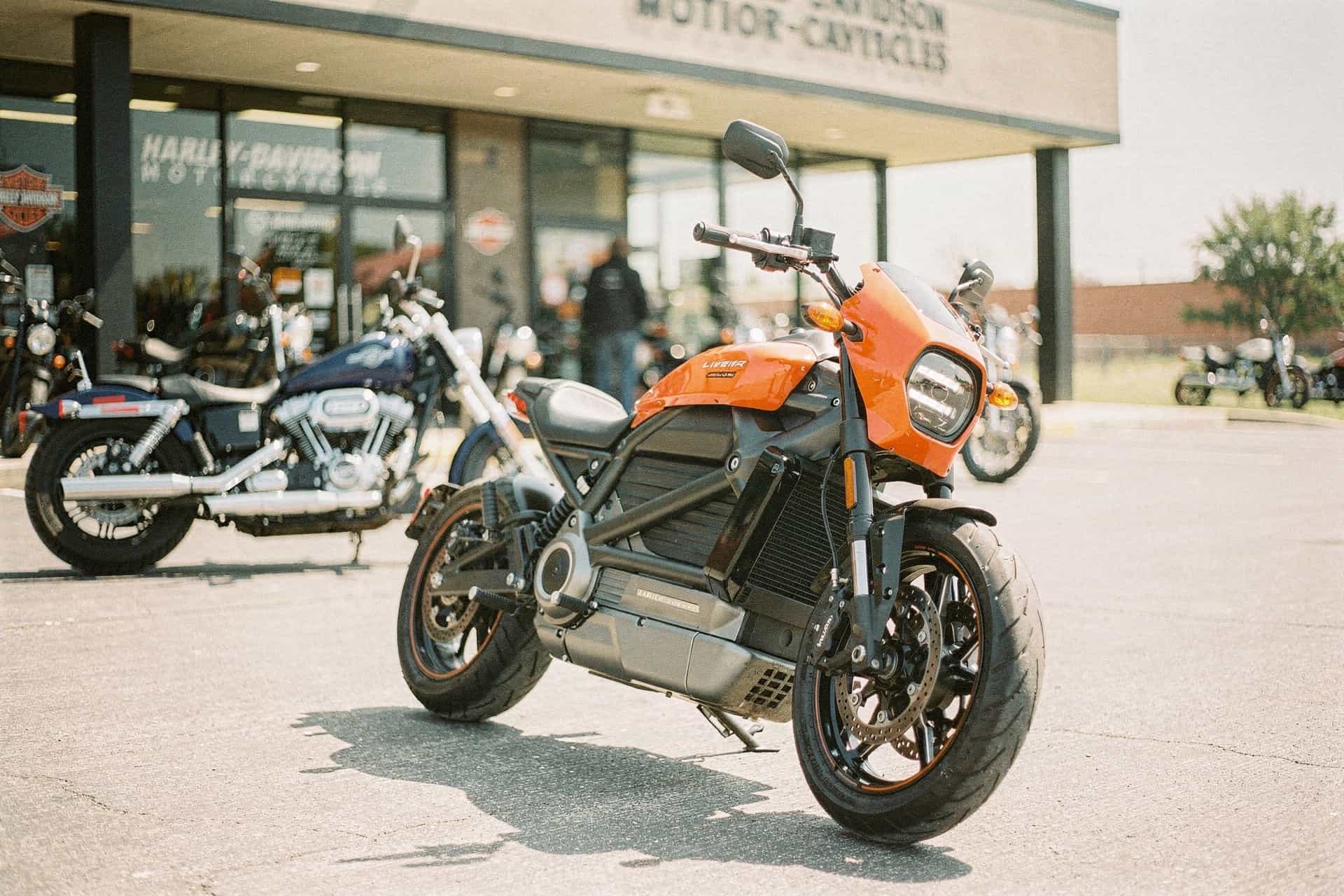
Nobody Asked for This Bike
We were standing outside a dealer event in 2015 when Harley rolled out a Project LiveWire prototype on a flatbed. A guy next to us - grey beard, leather vest, oil stains on his knuckles - looked at it for about four seconds and said: “That thing ain’t got a soul.” Then he walked back inside to look at Dynas.
He wasn’t wrong, exactly. But he wasn’t right either. The Harley LiveWire is one of those machines that refuses to fit neatly into anybody’s expectations. Harley-Davidson built a company on rumble, vibration, and the feeling of a V-twin firing between your legs. Then they built a silent electric motorcycle and asked that same customer base to care about it.
About 600 people cared enough to buy one in the first year. The rest of the story gets more complicated than that.
Project LiveWire: The 2014 Listening Tour
Harley-Davidson didn’t walk into the electric motorcycle space quietly. In June 2014, the Motor Company unveiled “Project LiveWire” - not a production bike, but a concept they built specifically to put in riders’ hands and collect reactions. They sent a small batch of prototypes on a 30-stop demo tour across the United States and Europe.
The prototypes used a three-phase AC induction motor making around 74 horsepower. They weighed roughly 460 pounds wet and had a city range of about 55 miles. Charging took 3.5 hours on Level 2. None of those numbers were impressive by electric car standards, but this was a motorcycle, and the point wasn’t the spec sheet.
The point was the throttle response.
Electric motors deliver full torque at zero RPM. No clutch engagement. No powerband to hit. No lag between the twist of your wrist and the rear tire hooking up. Riders who expected the LiveWire to feel gutless came off the demo ride with wide eyes. Over 12,000 people test-rode those prototypes. Harley collected enough feedback to shape five years of development.
But underneath the excitement, one reaction kept surfacing: “This is cool. I wouldn’t buy it.”
The 2019 Production LiveWire: What Harley Actually Delivered
Five years of development turned Project LiveWire into the production Harley-Davidson LiveWire, which hit dealerships in September 2019. It was the first all-electric motorcycle from a major American manufacturer. Here is what showed up.
Motor: The Revelation - a permanent magnet electric motor producing 105 horsepower and 86 lb-ft of torque. That torque hits instantly, from a dead stop. No waiting for a powerband.
Acceleration: 0-60 mph in 3.0 seconds. Faster than every air-cooled Big Twin Harley ever built. Faster than the V-Rod. Competitive with middleweight sportbikes despite weighing over 500 pounds.
Top speed: Electronically limited to 110 mph.
Battery: 15.5 kWh lithium-ion pack (13.6 kWh usable) built with Samsung cells. Harley backed it with a 5-year unlimited mileage warranty.
Range: Harley quoted 146 miles in the city. Real-world highway riding at 70-75 mph dropped that to somewhere between 70 and 95 miles. Highway range was the bike’s fatal weakness. A Road Glide or Street Glide can cover 250 miles on a tank. The LiveWire needed a plug after a short morning ride.
Charging: Supports Level 3 DC Fast Charging - 0 to 80 percent in about 40 minutes. Level 1 household outlet charging takes roughly 10-11 hours for a full charge. A notable quirk: the 2019 LiveWire charges at Level 1 speed even when plugged into a Level 2 charger, so upgrading your home charger didn’t help.
Weight: 549 pounds. Heavier than the prototypes but lighter than a bagger.
Chassis: Cast aluminum frame, Showa adjustable suspension front and rear, Brembo brakes, 180mm rear tire. The build quality was serious - not a prototype that escaped the lab.
Price: $29,799 MSRP.
That last number is where the conversation stopped for most people.
The Price Problem Nobody Could Ignore
Nearly thirty grand. For a motorcycle that couldn’t make it from Chicago to Milwaukee on the highway without stopping to charge. For reference, a 2019 Street Glide Special started at about $22,000 and could cross three states on a tank. You could buy that Street Glide and still have enough left over for a used Sportster.
The LiveWire’s competition didn’t help. Zero Motorcycles had been building electric bikes since 2006. Their SR/F, released the same year as the LiveWire, offered 110 horsepower, 140 lb-ft of torque, and roughly 160 miles of city range - for $18,995. That’s eleven thousand dollars less than the Harley.
Energica out of Italy was selling comparable sportbikes. Lightning Motorcycles had already set land speed records. The electric motorcycle market was small but real, and Harley showed up late with the highest price tag in the room.
What Harley did bring was infrastructure. Roughly 700 US dealerships where you could test ride, service, and warranty-claim the bike. Zero had a fraction of that network. Energica had even fewer US touchpoints. The LiveWire was the electric motorcycle you could actually sit on at a dealer near your house.
But infrastructure alone doesn’t move metal when the price-to-range math doesn’t work.
Harley sold approximately 600 LiveWires in 2019. Against roughly 125,000 total motorcycle sales that year, the LiveWire was a rounding error.
How the LiveWire Actually Rides
We have to give credit where it’s earned. In the right environment, the LiveWire is an absolute weapon.
City riding is where it shines. The instant torque makes stoplight-to-stoplight riding addictive. No clutch lever means reduced fatigue in traffic. The battery pack sits low in the frame, dropping the center of gravity, and the bike corners with a planted, confident feel that surprised us the first time we leaned into a sweeper.
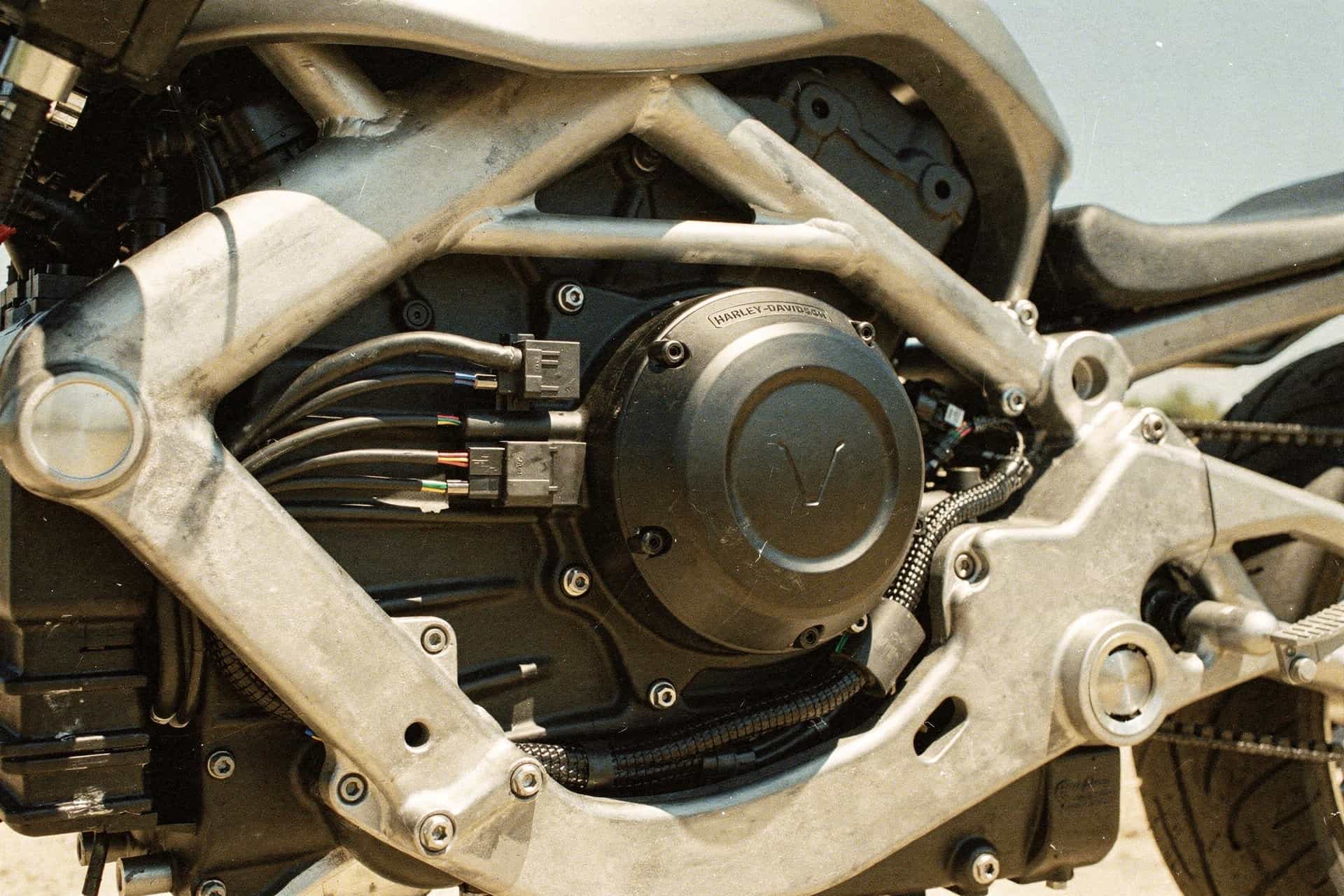
The regenerative braking is aggressive in the default mode. Roll off the throttle and the bike decelerates hard - stronger than engine braking on a Big Twin. In city traffic, you can ride with one lever. It takes adjustment, but once it clicks, the one-pedal riding style feels natural.
Canyon roads are the LiveWire’s second home. The low center of gravity, instant throttle response, and stiff chassis make it a corner-carving tool that most cruisers can’t touch. The Brembo brakes inspire confidence. The Showa suspension is adjustable and well-tuned from the factory.
But the moment you hit the interstate for a long haul, reality arrives. You’re watching the range estimator drop like a gas gauge with a leak. The charging infrastructure in 2019 was sparse outside of major metro areas. Planning a route around DC fast chargers turned a relaxing ride into a logistics exercise.
The LiveWire is a commuter and a canyon tool. Accept that and it rewards you. Try to make it a touring bike and you’ll be frustrated. For distance, you still need a traditional V-twin.
The Brand Spinoff: LiveWire Goes Solo
By 2021, Harley’s leadership read the room. The LiveWire wasn’t going to sell at volume under the Harley-Davidson badge. The brand’s DNA was too welded to internal combustion. Putting the Harley shield on an electric motor confused both camps - traditional riders didn’t want it, and EV enthusiasts didn’t trust the Harley brand.
In December 2021, Harley-Davidson spun off LiveWire as a separate company. It went public through a SPAC merger valued at approximately $1.77 billion and started trading on the New York Stock Exchange under the ticker “LVWR” in September 2022.
The strategy: separate the electric brand from the heritage brand so each can grow without dragging the other down. LiveWire would chase younger, urban riders and EV buyers. Harley would keep serving V-twin loyalists with Softails, Dynas, and touring rigs.
On paper, it made sense. In practice, the spinoff has been rough. LiveWire’s stock price dropped significantly from its debut. The company has been burning cash while building out its product line and standalone dealer network.
LiveWire ONE and the S2 Del Mar
After the brand separation, the original LiveWire was rebranded as the LiveWire ONE. The price dropped - first to around $22,799, then later down to $16,499. That made it a genuinely different proposition than the $30,000 launch bike.
The more interesting development was the LiveWire S2 Del Mar, a middleweight built on a new platform with the Arrow motor:
- Motor: Arrow, approximately 84 horsepower and 194 lb-ft of torque
- Range: Estimated 113 miles city, 70 miles at a sustained 55 mph
- Weight: Roughly 435 pounds - over 100 pounds lighter than the ONE
- Price: Starting at $15,499
The Del Mar aimed at a completely different buyer. Lighter, cheaper, more urban-focused. A limited “Launch Edition” of 100 units sold quickly. Mass production has been slower than promised, but the direction is clear - LiveWire is trying to build its way downmarket to where the actual volume is.
The Sales Reality Check
The numbers tell the whole story. LiveWire sold 660 units globally in 2023 and 612 in 2024. The company’s target for 2025 is 1,000-1,500 units. For context, Harley-Davidson’s main brand moves over 100,000 motorcycles a year.
Those are not numbers that justify a $1.77 billion valuation. They are not numbers that suggest electric motorcycles have found their mainstream moment. What they suggest is that the market for premium electric motorcycles is still tiny - and that brand recognition alone doesn’t create demand where the product-market fit isn’t there yet.
This isn’t unique to LiveWire. The entire electric motorcycle segment has struggled. Zero Motorcycles, the segment leader, hasn’t published sales figures that suggest breakout growth either. The infrastructure isn’t mature, the range doesn’t satisfy touring riders, and the price premiums haven’t fully disappeared.
Where LiveWire Fits in the Harley Timeline
The full Harley-Davidson history is overwhelmingly a story about air-cooled and oil-cooled V-twins. The Shovelhead built the outlaw image. The Evolution engine saved the company. The Panhead gave us the classic silhouette. The Milwaukee-Eight powers the current lineup. The Ironhead Sportster gave garage builders their favorite chopper platform.
The LiveWire doesn’t replace any of them. It exists alongside them, awkwardly, like a cousin from out of town who showed up to the family reunion in a Tesla.
But Harley sees what’s coming. European emissions regulations are tightening. Their core buyer demographic is aging. The cultural shift toward EVs is slow in motorcycling but real in the broader transportation market. LiveWire is a hedge - Harley saying they’d rather own the electric space than let someone else take it.
Whether traditional riders care is a separate question. Ask how many people rode into Sturgis on a LiveWire and you’ll get laughs. Ask the same question at a downtown parking garage in Berlin or San Francisco and the answer changes.
Should You Actually Buy One?
Here’s where we land.
If you ride primarily in a city, commute under 50 miles round-trip, have access to Level 2 or DC fast charging, and want something genuinely different - the LiveWire ONE at its current price point is worth a serious test ride. The S2 Del Mar, if you can find one, is even more compelling as a lightweight urban machine.
The acceleration is real. The handling is real. The riding experience is unlike anything with a clutch and shifter.
If you define riding by the sound and feel of a V-twin, by crossing state lines on a tank of gas, by the mechanical connection between your right hand and a set of cams and pushrods - the LiveWire isn’t your bike. And that’s fine. Nobody is taking your Softail away.
We ride V-twins. We get the appeal. We also rode a LiveWire ONE through downtown traffic last year and couldn’t stop grinning for twenty minutes. Both things can be true.
Whether you’re twisting a throttle on an electric motor or kicking over a bobber build in your garage, the point is the same: you ride. We make gear for riders who build and ride real machines. Gas or electrons - doesn’t matter. What matters is that you’re out there.
Sources
- Full Specs Revealed on the 78 kW Harley-Davidson LiveWire Electric Motorcycle - Electrek - complete production specifications including motor output, battery capacity, and charging rates
- Harley-Davidson’s LiveWire ONE Electric Motorcycle Launches With Dramatically Lower Price - Electrek - LiveWire ONE rebrand and pricing details
- LiveWire ONE Price Reduction Coverage - The Autopian - price drops to $16,499 and market analysis
- Production-Ready Harley-Davidson Electric LiveWire Motorcycle Is Coming - Motorcyclist - development timeline from Project LiveWire to production
- LiveWire Sales Up Slightly in 2025, But Still Didn’t Sell Over 1,000 Motorcycles - RideApart - annual sales figures for 2023, 2024, and 2025
- Harley LiveWire Sales Projected at 100,000 a Year by 2026 - RideApart - SPAC valuation context and sales projections vs. reality