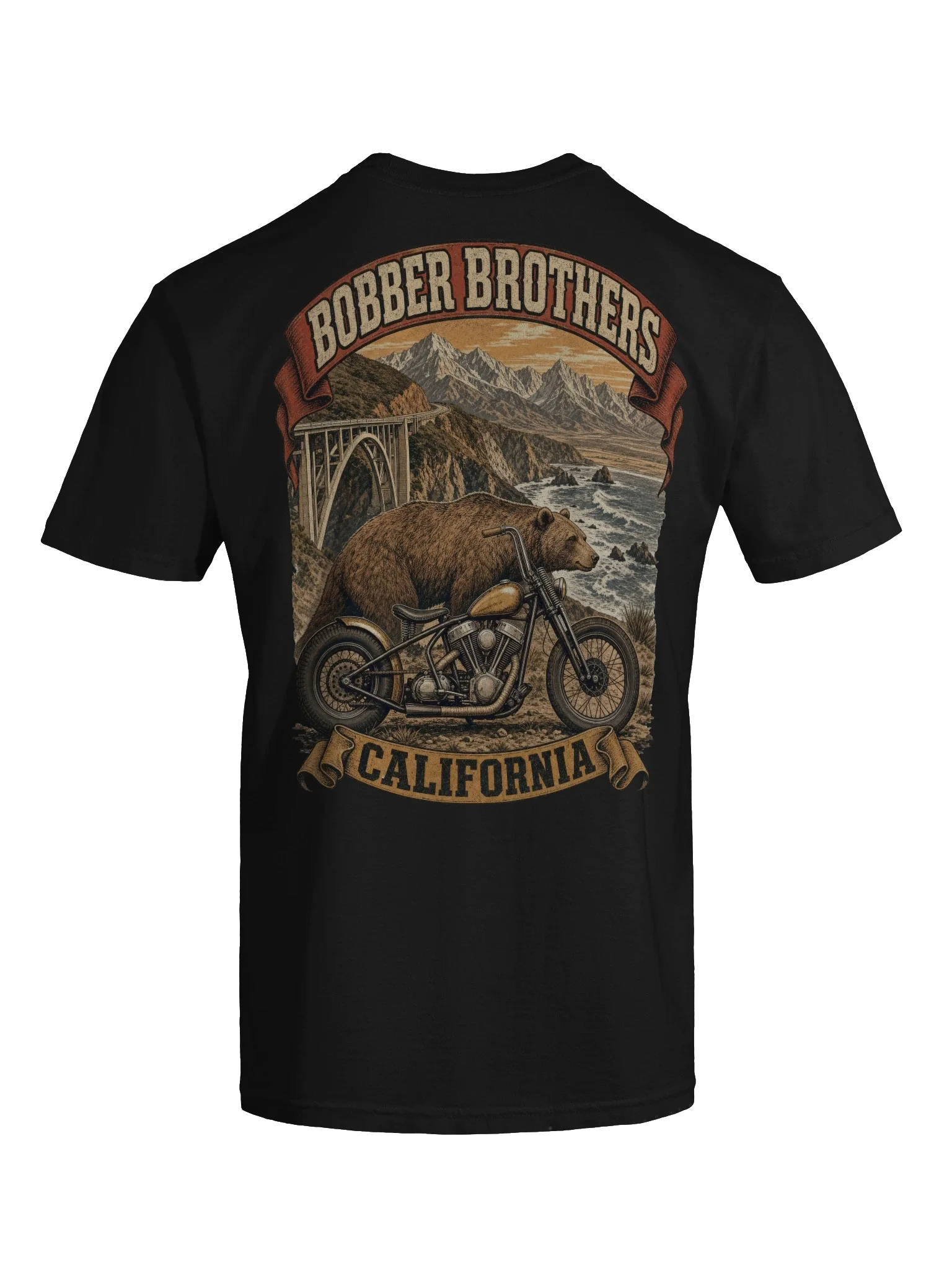
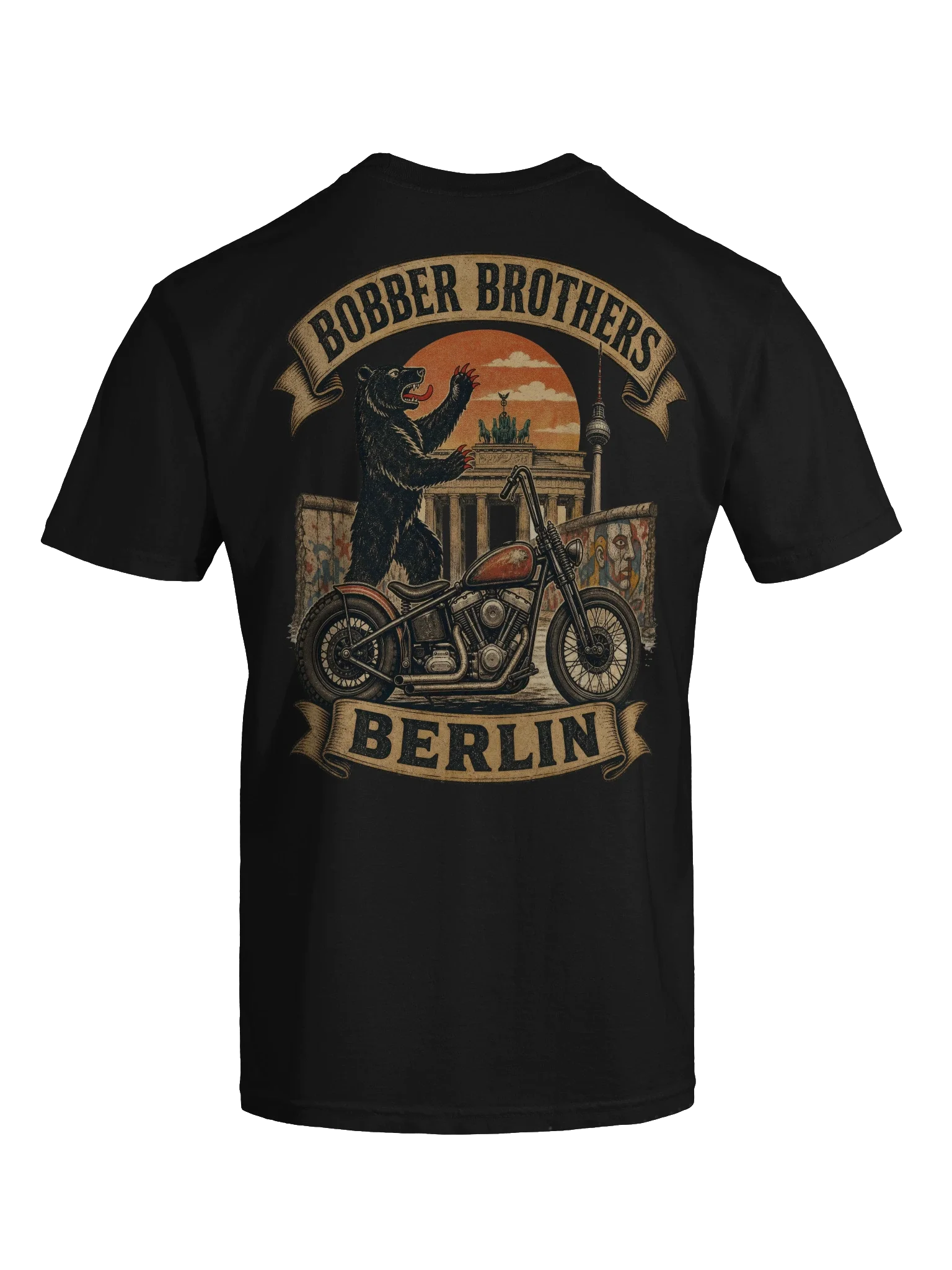
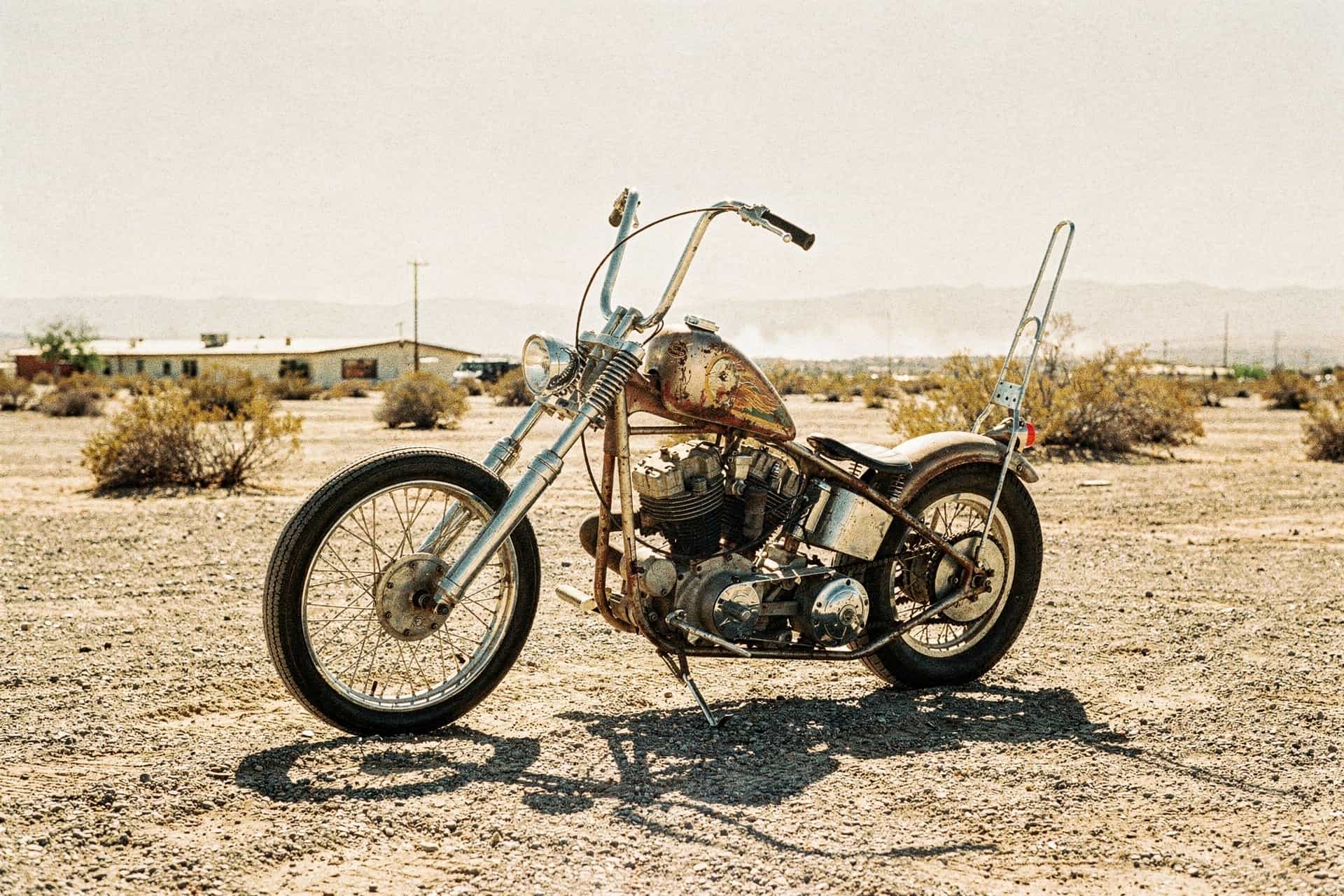
A stripped-down Panhead idles in a gravel lot outside a bar somewhere in the California desert. No windshield. No saddlebags. No turn signals. The rider kicks it over, and the exhaust note rattles windows for a block and a half. Nobody inside the bar even looks up. They have heard that sound a thousand times.
That sound - raw, loud, unapologetic - is the heartbeat of motorcycle culture. It has been beating since returning GIs tore the fenders off their war-surplus Harleys in the late 1940s, and it has not stopped. The machines evolved. The builders got famous. Hollywood took notice. Reality TV turned wrenches into entertainment. But underneath all of it, the core has stayed the same: build something with your hands, point it down an open road, and ride.
This is the full story of how motorcycle culture grew from post-war rebellion into a global movement - the choppers, the builders, the films, the TV shows, and the lifestyle that holds it all together.
Post-War Roots: How the Culture Started
Motorcycle culture as we know it did not start in a boardroom or a design studio. It started in garages and parking lots across Southern California in the years after World War II.
Returning veterans - many of them trained mechanics who had served in motorcycle units - came home restless. The discipline and adrenaline of wartime did not translate well to suburban life. Surplus military motorcycles, particularly Harley-Davidson WLAs and Indian 741Bs, were cheap and available. Veterans started buying them, stripping them down, and riding them hard.
The American Motorcyclist Association held sanctioned events - organized races, rallies, proper competitions. But a growing number of riders wanted nothing to do with organized anything. They formed their own clubs. They rode where they wanted. They made their own rules.
The 1947 Hollister riot - or what was reported as a riot - became the flashpoint. A Fourth of July motorcycle rally in Hollister, California drew thousands of riders, and a staged photograph of a drunk man on a motorcycle surrounded by beer bottles made the cover of Life magazine. The AMA reportedly distanced itself from the incident, and the mythology of the “outlaw biker” was born. Those riders who planted the outlaw flag at Hollister went on to form clubs that still operate today - our complete guide to motorcycle clubs breaks down how that club structure evolved and how it works from the ground up.
That mythology fueled the 1953 film The Wild One, starring Marlon Brando. When asked what he was rebelling against, Brando’s character answered: “Whaddya got?” It was a line that defined a generation of riders who saw motorcycles not as transportation, but as an act of defiance.
The Chopper Movement: Art Meets Rebellion
If stripping a bike down was the first act of rebellion, the chopper was the second.
The word “chopper” comes from the practice of chopping - literally cutting away everything unnecessary from a stock motorcycle. Fenders, lights, mirrors, front brakes - anything that added weight or looked factory got removed. What remained was a skeleton of steel and engine.
But builders did not stop at subtraction. They started adding. Extended forks stretched the front end out, sometimes to ridiculous lengths. Hardtail frames replaced rear suspensions. Ape hanger handlebars went high. Sissy bars went higher. Custom paint - flames, metalflake, candy colors - turned functional machines into rolling art.
The chopper movement hit full stride in the 1960s and peaked in the early 1970s. Southern California was the epicenter. Shops in Long Beach, Los Angeles, and the Inland Empire turned out machines that had never existed before - bikes that were equal parts sculpture and transportation.
Easy Rider and the Chopper on Screen
The 1969 film Easy Rider did for choppers what The Wild One did for the rebel biker image. Peter Fonda’s “Captain America” bike - a rigid-frame Panhead chopper with a stars-and-stripes fuel tank and extended springer forks - became the most recognized motorcycle in film history.
The bike was built by two men: Ben Hardy, an African-American fabricator from South Los Angeles, and Cliff Vaughs, a civil rights activist and motorcycle enthusiast. Hardy did the primary fabrication work, building multiple choppers for the film from retired police Harleys - typically cited as four bikes total from four ex-police Panheads. At least one Captain America was destroyed during filming, and the remaining bikes were stolen after production wrapped. The surviving Captain America bike later sold at auction for $1.35 million in 2014, though its authenticity has been disputed.
Easy Rider grossed over $60 million against a $400,000 budget. More importantly, it planted the chopper permanently in the American consciousness. The image of Fonda and Dennis Hopper riding through Monument Valley became a symbol of freedom that transcended motorcycling.
But the film also carried a warning. The two riders are killed at the end - shot by strangers who hate what they represent. The message was clear: freedom has a cost, and not everyone is willing to let you have it.
Famous Builders Who Shaped the Culture
The history of motorcycle culture is written in steel and sweat by the builders who pushed the craft forward. Some became celebrities. Others stayed in their shops and let the work speak. All of them left a mark.
Indian Larry: The Godfather of Hand-Built
Lawrence DeSmedt - known to the world as Indian Larry - was the real deal. Born in 1949 in Cornwall, New York, he grew up around motorcycles and spent time in prison before channeling his energy into building some of the most respected custom bikes ever made.
Larry operated out of a small shop in Brooklyn, New York, and built every bike by hand. No CNC machines. No computer-aided design. He forged his own parts, fabricated his own frames, and hand-shaped his own sheet metal. His builds mixed old-school chopper aesthetics with an artist’s eye for proportion and detail.
His signature move was standing on the seat of a moving motorcycle - a stunt he performed at shows and events. On August 28, 2004, during the Liquid Steel Classic and Custom Bike Series at Cabarrus Arena in Concord, North Carolina, Larry fell from his bike while performing his signature standing-on-the-seat stunt. He was not wearing a helmet. He died two days later on August 30 from head injuries. He was 55.
Indian Larry’s death shook the custom motorcycle world. But his shop in Brooklyn continued operating under his partners, and his influence - the insistence on handcraft over mass production - runs through every serious builder working today.
Jesse James and West Coast Choppers
Jesse James turned custom motorcycles into a mainstream business. Operating out of Long Beach, California, West Coast Choppers became one of the most recognized custom shops in the world during the late 1990s and 2000s.
James was a trained welder and fabricator who combined old-school building techniques with an aggressive marketing sense. His bikes were loud, clean, and unmistakable - CFL (Chopper For Life) tanks, billet aluminum parts, and a level of finish that set a new standard for the industry.
The Discovery Channel series Monster Garage (2002-2006) made James a household name. The show had him converting ordinary vehicles into functional machines - a DeLorean into a hovercraft, a PT Cruiser into a wood chipper. It was entertainment, but it showcased real fabrication skills.
West Coast Choppers became a brand that extended far beyond motorcycles - clothing, accessories, even energy drinks. James proved that a custom builder could scale. Whether that was a good thing for the culture is still debated in garages everywhere.
Billy Lane and Choppers Inc.
Billy Lane brought an engineering background to chopper building. With a mechanical engineering degree from Florida International University, Lane founded Choppers Inc. in Melbourne, Florida, and quickly became one of the most visible builders of the early 2000s.
Lane’s bikes were wild - stretched, raked, and often featuring hand-fabricated components that pushed the boundaries of what a chopper could be. He appeared on Discovery Channel’s Biker Build-Off series and authored two books on building choppers and bobbers.
His career was derailed by a drunk driving incident in September 2006 that killed another rider, Gerald Morelock. Lane pleaded no contest to vehicular homicide in 2009 and was sentenced to six years in prison. His story is a reminder that talent and recklessness can coexist in the same person. We covered his full story in 6 Facts About Billy Lane Choppers.
Russell Mitchell and Exile Cycles
Russell Mitchell, a British expatriate working out of North Hollywood, California, brought a European sense of minimalism to American custom building. His shop, Exile Cycles, became known for stripped-down, functional bikes that rode as well as they looked.
Mitchell’s philosophy was the opposite of the big-budget TV builds. No chrome. No bling. Raw metal, visible welds, and a “ride it, don’t trailer it” attitude. His builds looked like they belonged on the road, not on a turntable at a show.
Exile Cycles earned respect from hardcore builders precisely because Mitchell built bikes to be ridden hard. See the best of his work in our breakdown of the 6 best Exile Cycles bobber and chopper builds.
Television: When Garages Became Soundstages
The early 2000s brought a wave of motorcycle-themed television that transformed the culture - for better and worse.
American Chopper and Orange County Choppers
No show had a bigger impact than American Chopper, which premiered on Discovery Channel in 2003. The show followed Paul Teutul Sr. and Paul Teutul Jr. as they built theme bikes at Orange County Choppers in Rock Tavern, New York.
The builds were spectacular - the Fire Bike, the Black Widow, the Statue of Liberty Bike. But the real draw was the drama. Paul Sr. and Paul Jr. screamed at each other constantly. Tables got flipped. Tools got thrown. The father-son conflict was raw and real, and audiences ate it up.
At its peak, American Chopper pulled 3.5 million viewers per episode. It made choppers accessible to people who had never held a wrench. Suddenly, everyone knew what a rigid frame was. Everyone had an opinion on rake and trail.
The show also split the chopper community. Traditional builders saw OCC bikes as over-the-top show pieces that would never survive a long ride. OCC fans saw traditionalists as gatekeepers. That debate still runs hot. We go deep on the full OCC story in Orange County Choppers: The Complete OCC History.
Biker Build-Off and the Competition Format
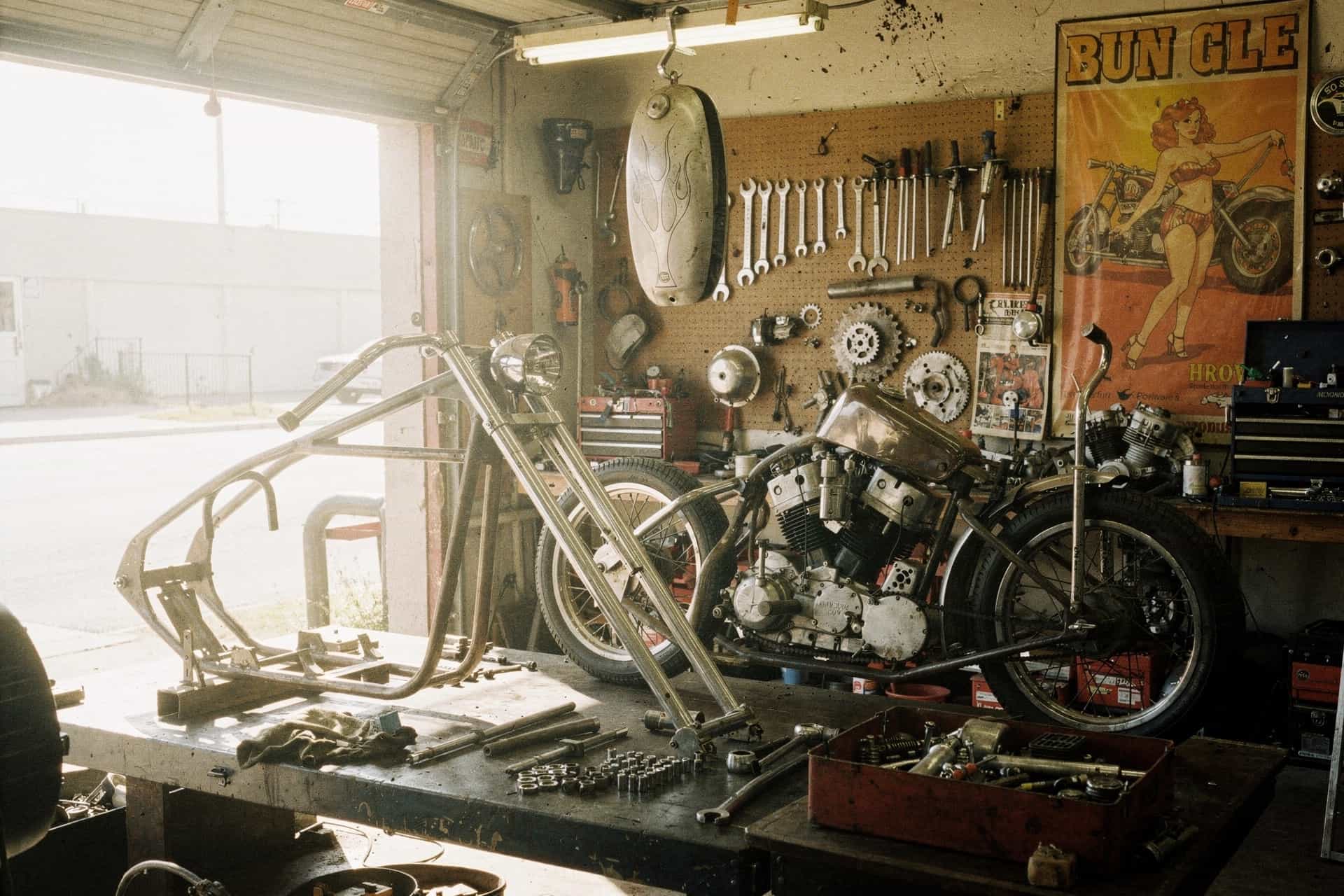
Discovery Channel’s Biker Build-Off took a different approach. Instead of following one shop, it pitted two builders against each other. Each had a set timeframe to build a bike from scratch, and the winner was chosen by public vote at a motorcycle rally.
The format showcased a wide range of building styles. Billy Lane’s wild fabrications went up against builders like Roger Bourget, Cory Ness, and Chica from Las Vegas. The show gave exposure to smaller shops that would never have gotten national attention otherwise.
Biker Build-Off ran from 2002 to 2007 across six rounds, and for many builders, appearing on the show was a career-defining moment.
Beyond Discovery Channel
Other networks jumped in. TLC aired American Hot Rod, following Boyd Coddington’s car shop (with crossover into the custom motorcycle world). Speed Channel covered Sturgis, Daytona, and bike shows across the country. Even the History Channel got into the act with programs touching on motorcycle history and outlaw clubs.
The TV boom peaked around 2005-2008 and then faded. By the time the economy crashed in 2008, many of the shops featured on television had closed or downsized. The gold rush was over. But the audience it created - millions of people who developed an interest in custom motorcycles through their TV screens - never fully went away.
Movies That Defined the Biker Image
Television brought custom builds into living rooms, but cinema built the mythology.
The Foundations: The Wild One to Easy Rider
The Wild One (1953) created the rebel biker archetype. Easy Rider (1969) turned it into a counterculture statement. Between those two films, the public image of motorcycling shifted from “hobby” to “lifestyle” to “identity.”
Other films filled in the gaps. The Great Escape (1963) gave us Steve McQueen’s legendary fence jump on a Triumph TR6. The bike scenes were so iconic that McQueen - already a serious motorcycle racer in real life - became permanently associated with two wheels.
Cult Classics and Modern Entries
The biker film genre never died. It just went underground. Harley Davidson and the Marlboro Man (1991) flopped at the box office but became a cult classic among riders for its blacked-out FXR and outlaw attitude. We broke down that bike in detail in Harley Davidson and the Marlboro Man Bike: The Full Story.
Sons of Anarchy (2008-2014) brought biker culture back to the screen as a prestige drama on FX. The series followed a fictional MC in Northern California and ran for seven seasons. Its Season 7 series finale pulled in 9.26 million viewers, making it the most-watched series in FX history at the time. Love it or hate it - and plenty of real riders have strong opinions - Sons of Anarchy introduced a new generation to motorcycle club culture.
More recently, The Bikeriders (2024), based on Danny Lyon’s 1968 photo book, went back to the roots of the culture - capturing the raw, unglamorous reality of a fictional Midwestern MC in the 1960s.
The Custom Build Movement Today
The chopper craze of the 2000s eventually cooled, but custom building never stopped. It evolved.
The Bobber Revival
While choppers went big and loud, a parallel movement went the other direction. Bobbers - stripped-down, low-slung bikes with bobbed fenders and minimal bodywork - made a comeback in the 2010s that shows no sign of slowing.
The bobber philosophy goes back to the same post-war roots as the chopper. But where choppers added, bobbers subtracted. The result is a cleaner, more rideable machine that still carries the DNA of customization.
We’ve seen this play out in our own community. Every week, riders share builds, compare parts, and trade hard-won lessons across the broader Bobber Brothers channels - everything from ground-up Sportster hardtail builds to tasteful modifications on factory bikes. The quality and creativity is higher than it has ever been.
Major manufacturers noticed the trend. Triumph launched the Bonneville Bobber in 2017. Indian introduced the Scout Bobber the same year. Moto Guzzi carved out its own lane with the V9 Bobber, and Harley-Davidson has offered bobber-styled models across multiple lines. Factory bobbers are not the same as hand-built customs, but they signal that the aesthetic has gone mainstream.
If you want to rep the build-not-buy ethos off the bike, our t-shirt collection is designed by riders who actually get their hands dirty. Slogans like “Built Not Bought” and “In Gasoline We Trust” are not marketing lines - they are what we believe.
Garage Builders and the Instagram Era
Social media changed who gets seen. Before Instagram, a builder needed a TV appearance, a magazine feature, or a spot at a major show to get noticed. Now, a first-time builder in a one-car garage can post a photo of a finished bike and reach thousands of people overnight.
This has been overwhelmingly positive for the culture. The barrier to entry dropped. Young riders who might never have seen a custom build in person can now watch the entire process on YouTube or follow a build day by day on Instagram. Skills that used to be passed down in shops are now documented and shared freely.
The downside is that “building a bike” sometimes means bolting on aftermarket parts for a photo op. Real fabrication - cutting, welding, shaping metal - is still a craft that takes years to develop. The difference between a parts-bin build and a hand-built machine shows up the moment you look closely.
But the net effect is more people building, more ideas circulating, and more diversity in what a custom motorcycle can be. We will take that trade every time.
Shops Keeping the Craft Alive
Across the country and around the world, custom shops continue to produce work that pushes the culture forward. Detroit Choppers has been turning out innovative builds for years. Shops like DP Customs, Prism Supply Co., and LC Fabrications blend old techniques with new aesthetics.
In Europe, the custom scene has exploded. Builders in Germany, the UK, Spain, and Scandinavia are producing work that rivals anything coming out of American shops. The influence goes both ways - European minimalism has shaped American builds, and American muscle has inspired European builders.
We started Bobber Brothers in Germany in 2014, and we have watched this cross-pollination firsthand. The motorcycle culture we grew up in - wrenching on old bikes, trading parts, sharing knowledge - is the same culture that exists in garages from Melbourne to Manchester to Milwaukee.
The Biker Lifestyle Beyond the Build
Motorcycle culture is not just about the machines. It is a way of living.
Rallies and Gatherings
Sturgis. Daytona Bike Week. Laconia. The Republic of Texas Rally. These annual events draw hundreds of thousands of riders and serve as the physical gathering points for a culture that exists mostly on the road and in garages. Our Texas biker rallies guide covers that Lone Star State scene in more detail.
The Sturgis Motorcycle Rally in South Dakota has been running since 1938 and now draws an estimated 500,000 attendees each August. Daytona Bike Week in Florida, running since 1937, brings in roughly 500,000 as well. These are not events you attend - they are pilgrimages.
Smaller, builder-focused events like Born Free in Southern California, The Hand Built Show in Austin, and Mama Tried in Milwaukee have grown into essential stops for anyone serious about custom culture. These shows prioritize craftsmanship over chrome and have become the proving grounds for the next generation of builders.
Brotherhood and Community
At its core, motorcycle culture is about belonging. Riding clubs, builder communities, and informal groups of friends who wrench together on weekends - these connections are what keep the culture alive between rallies and shows.
Over 900,000 riders follow our work across six platforms, but the real value is still the same as it was in the garage: builders sharing progress, asking for help, and connecting with other riders who actually turn wrenches. That community side is what keeps motorcycle culture alive between rallies and big rides.
That community side is not limited to custom shops and bike nights. Harley’s veteran work, including the Harley-Davidson Wounded Warrior Project partnership, is part of the same broader idea: riders using motorcycles as a way back to connection, purpose, and road time.
The Gear and the Identity
What you wear says something about how you ride. Biker fashion did not come from a runway. It came from function - leather jackets for road rash protection, heavy boots for shifting and braking, denim for durability. Over time, those functional choices became identity markers.
The vest, the patches, the boots, the rings - all of it carries meaning in motorcycle culture. A cut with a club’s colors is earned, not bought. A “1%” patch carries weight and history. Even a simple black t-shirt with the right graphic says, “I ride.”
We build our apparel around this principle. Every design connects back to the culture - the wrenches, the engines, the open road, the attitude. We do not design for people who want to look like riders. We design for people who are riders.
Where the Culture Is Headed
Motorcycle culture has survived every attempt to kill it - economic downturns, insurance crises, emission regulations, generational shifts, and the constant hand-wringing about whether “the kids” care about motorcycles.
They do. The form changes, but the drive does not. A 22-year-old in Brooklyn building a cafe racer from a wrecked Honda CB is driven by the same impulse as a 1960s veteran chopping a Panhead in a Long Beach garage. The tools are different. The bikes look different. The motivation is identical: build something that is yours, and ride it.
Electric motorcycles are coming, and they will change the sound but not the soul of the culture. A hand-built electric tracker with a custom frame is still a custom bike. The builder still spent nights in the garage. The rider still feels the road.
What will never change is the fundamental transaction at the heart of motorcycle culture: you put in the work, you get the ride. No shortcuts. No substitutes.
That is what “Built Not Bought” means. That is what it has always meant.
Sources
- Barger, Ralph “Sonny.” Hell’s Angel: The Life and Times of Sonny Barger and the Hell’s Angels Motorcycle Club. William Morrow, 2000 - post-war MC origins and the Hollister incident
- Lichter, Michael and Darwin Holmstrom. The Chopper: The Real Story. Motorbooks, 2003 - history of the chopper movement from post-war origins through the 1970s peak
- NPR - Behind The Motorcycles In ‘Easy Rider,’ A Long-Obscured Story - Ben Hardy, Cliff Vaughs, and the building of the Captain America bike
- BlackPast - Ben Hardy (1921-1994) - biography of the African-American fabricator behind the Easy Rider choppers
- CNBC - ‘Captain America’ Chopper Sells for $1.35 Million - 2014 auction sale and authenticity dispute
- The Brooklyn Rail - Long Live Indian Larry - tribute and account of Indian Larry’s August 2004 accident in Concord, NC
- Hollywood Reporter - Sons of Anarchy Finale Delivers Series Best 9.3 Million - Season 7 finale viewership and FX ratings record
- Sturgis Rally Official History - rally origins since 1938 and attendance history
- Daytona Bike Week Official History - Daytona 200 origins in 1937 and event growth