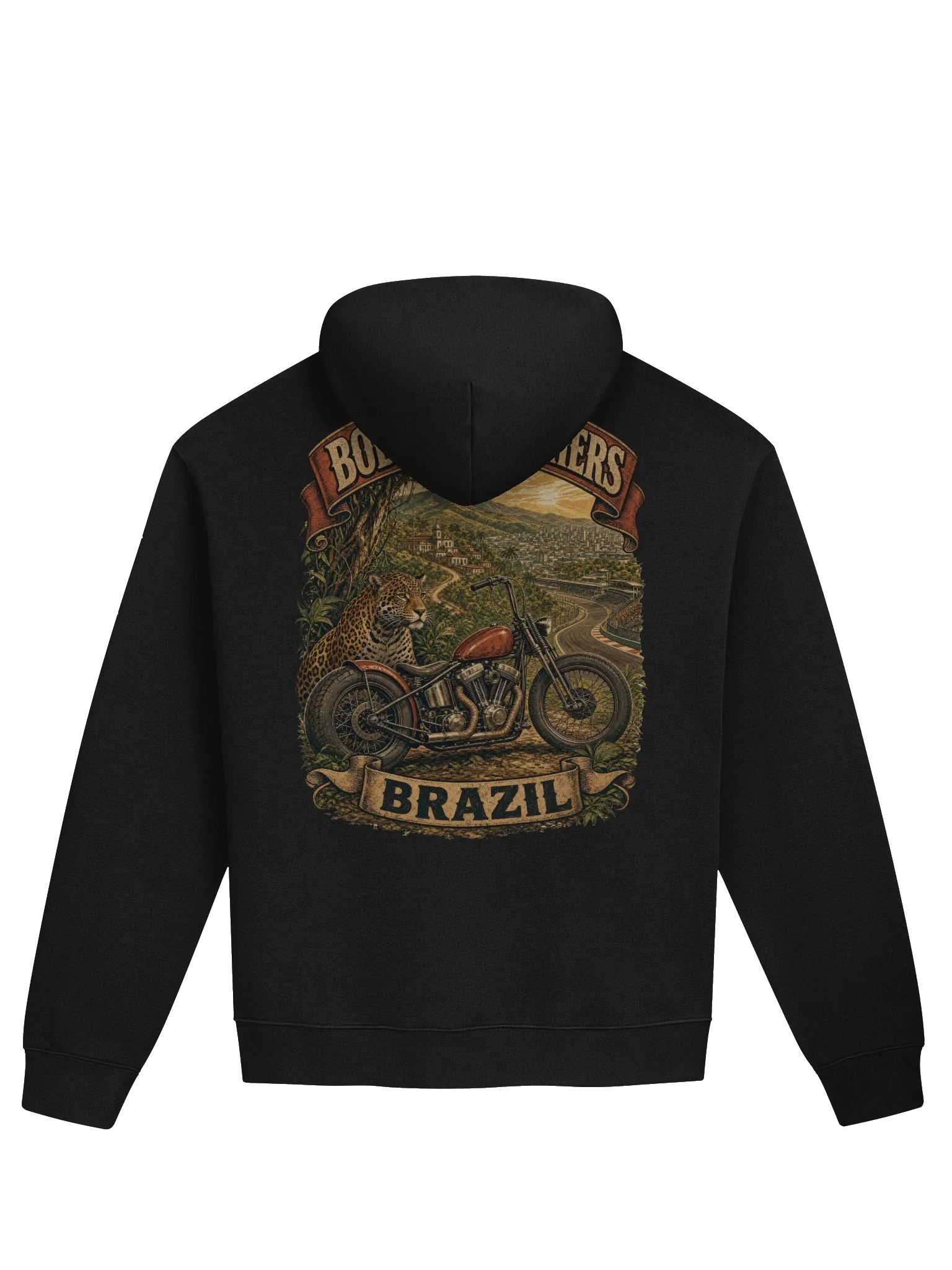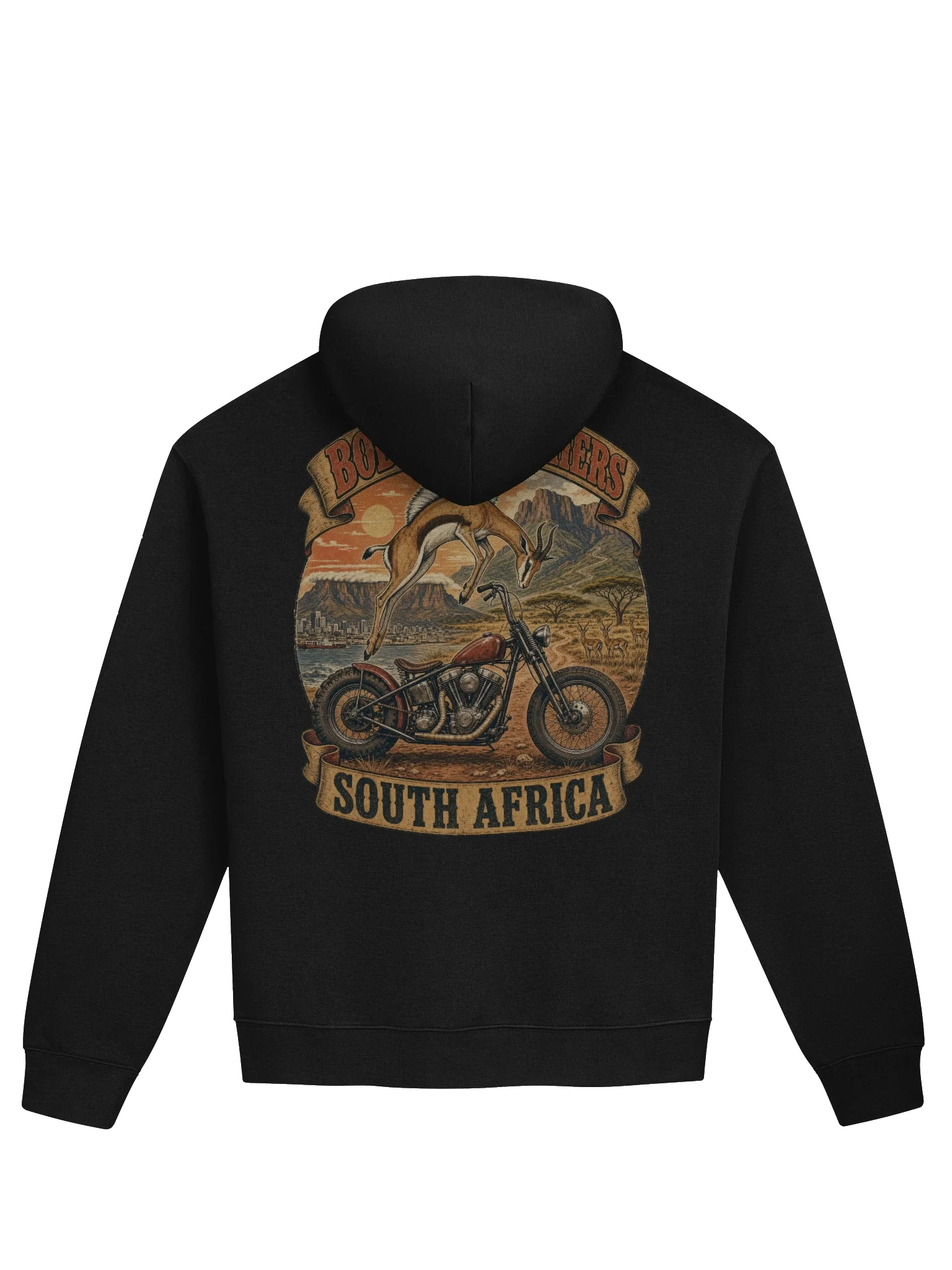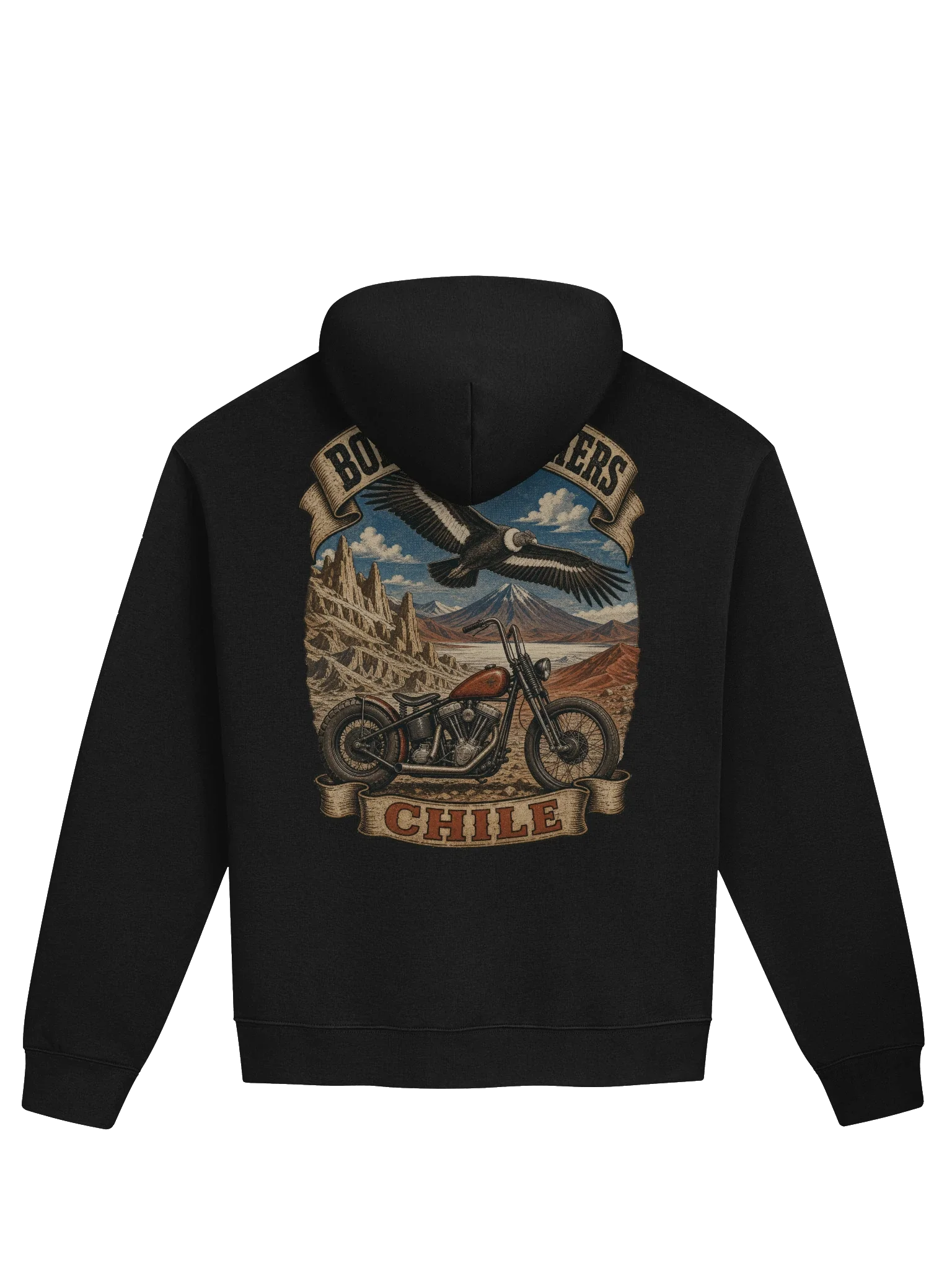
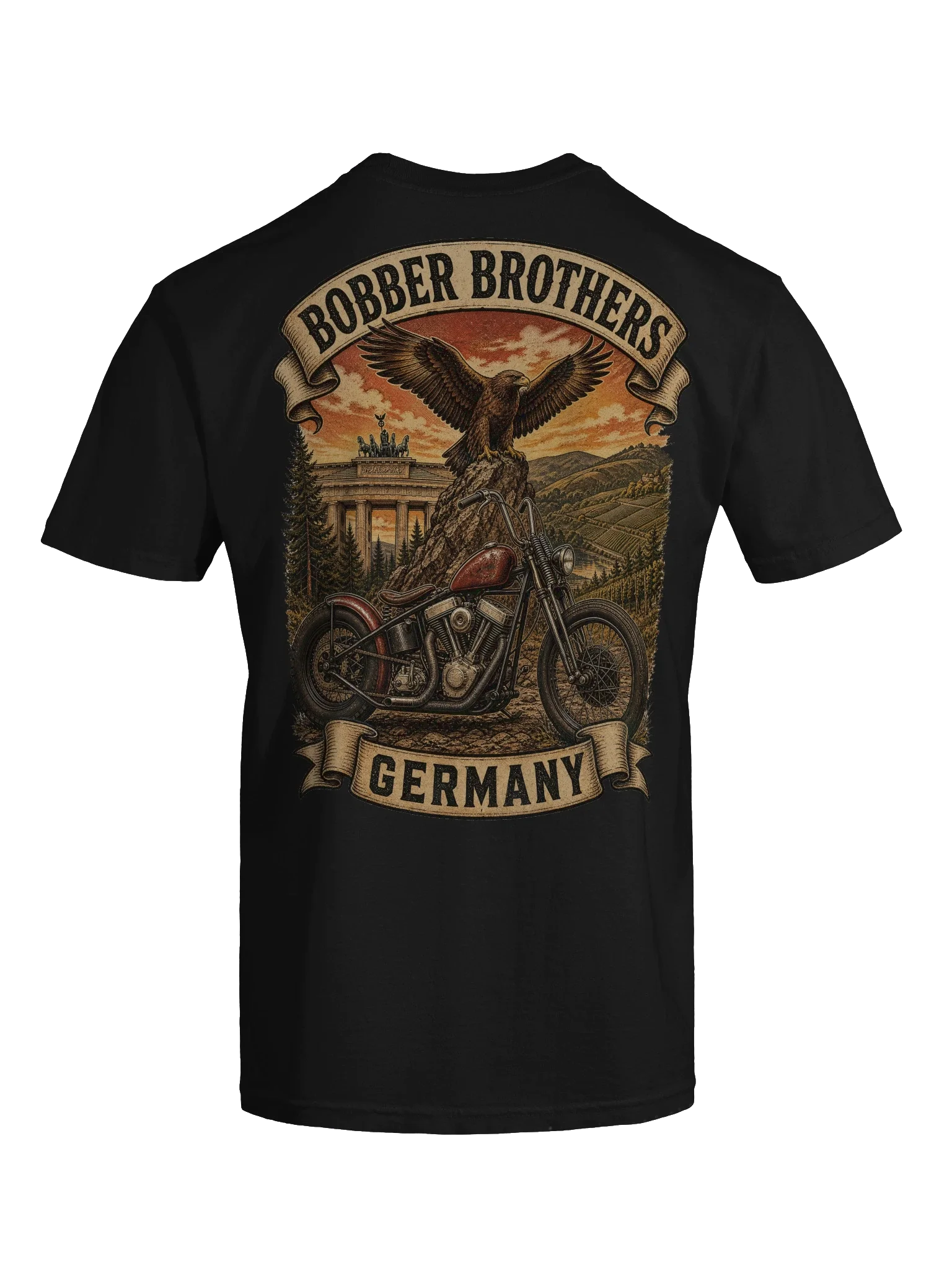
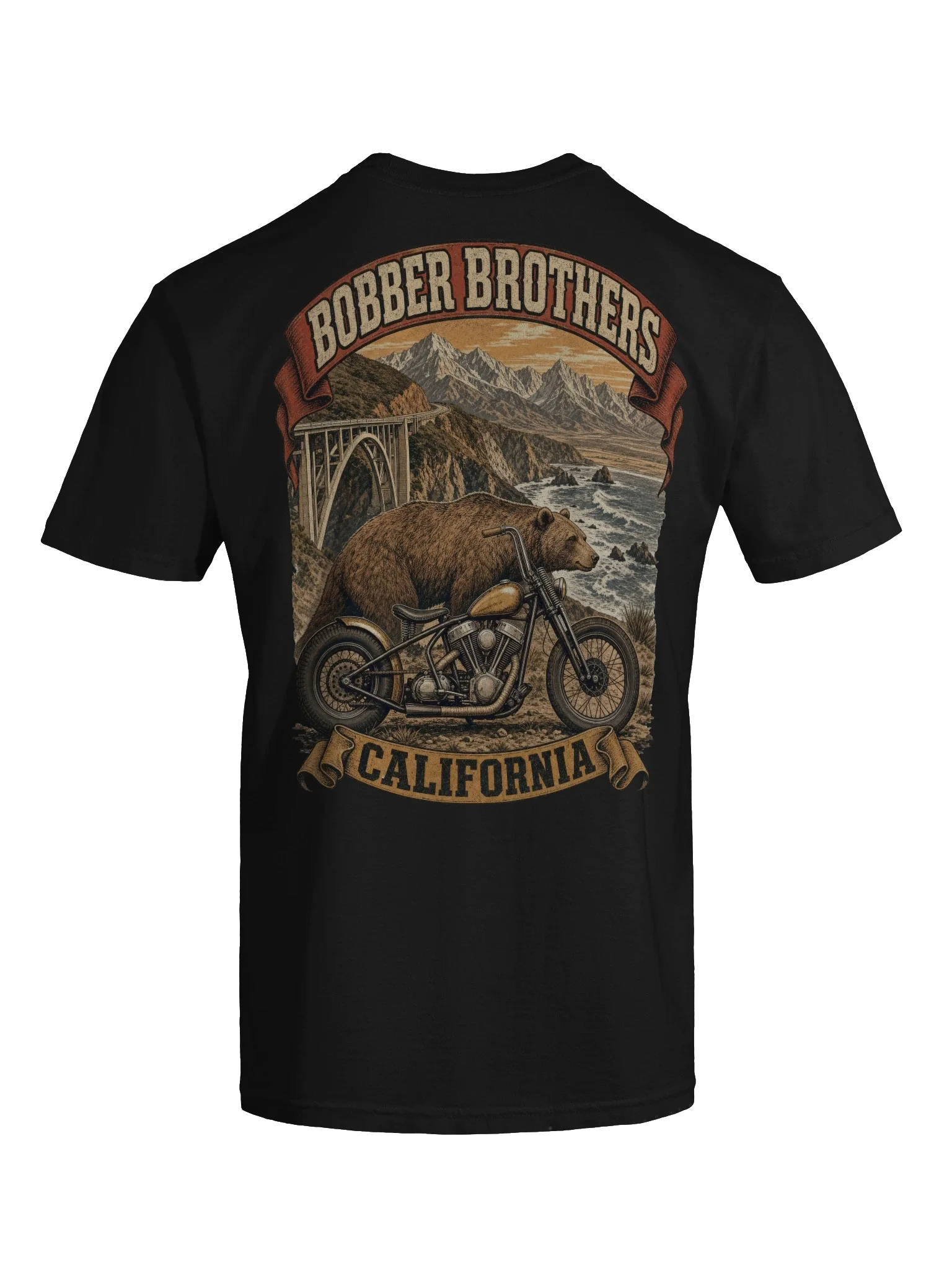
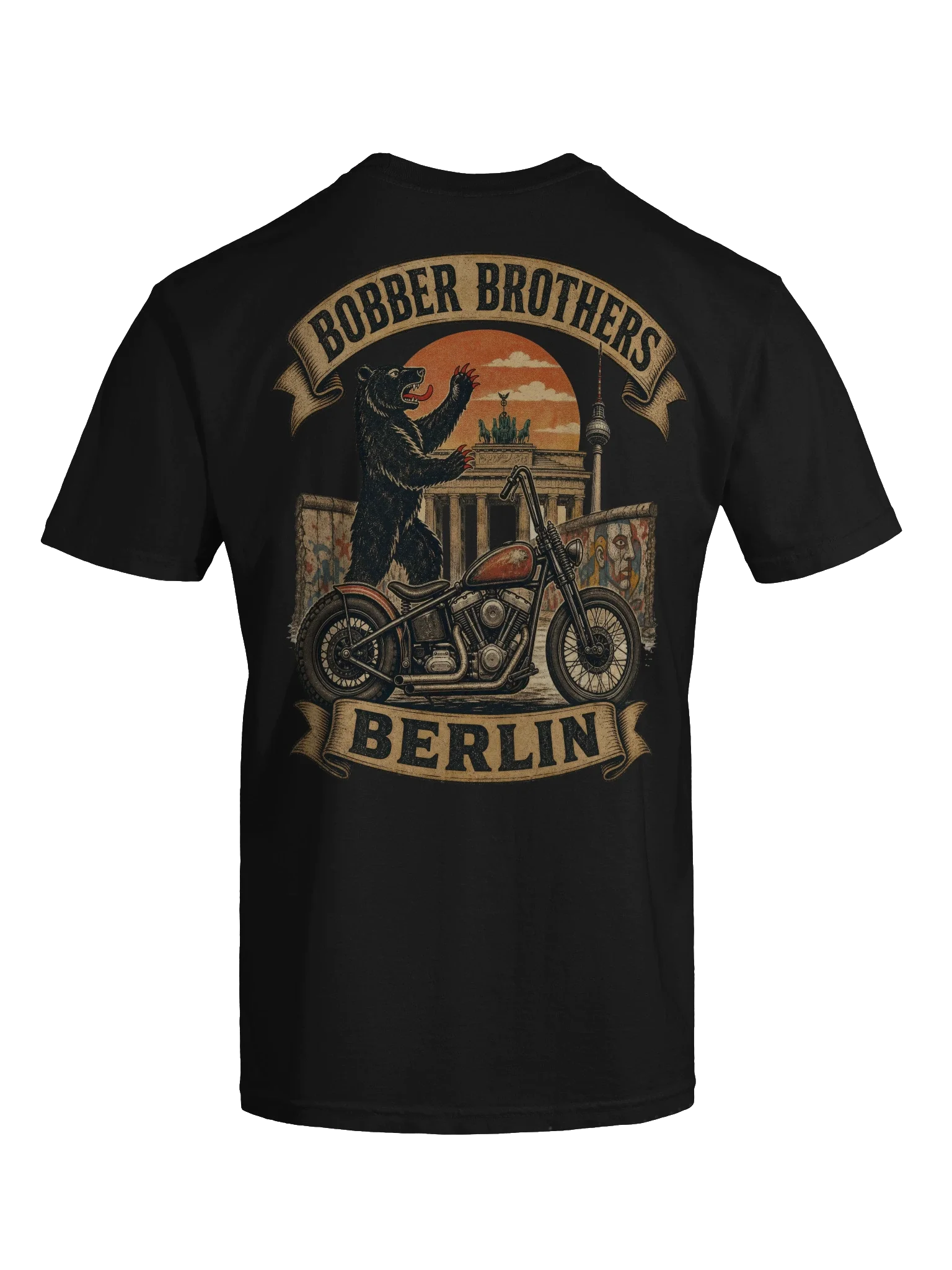
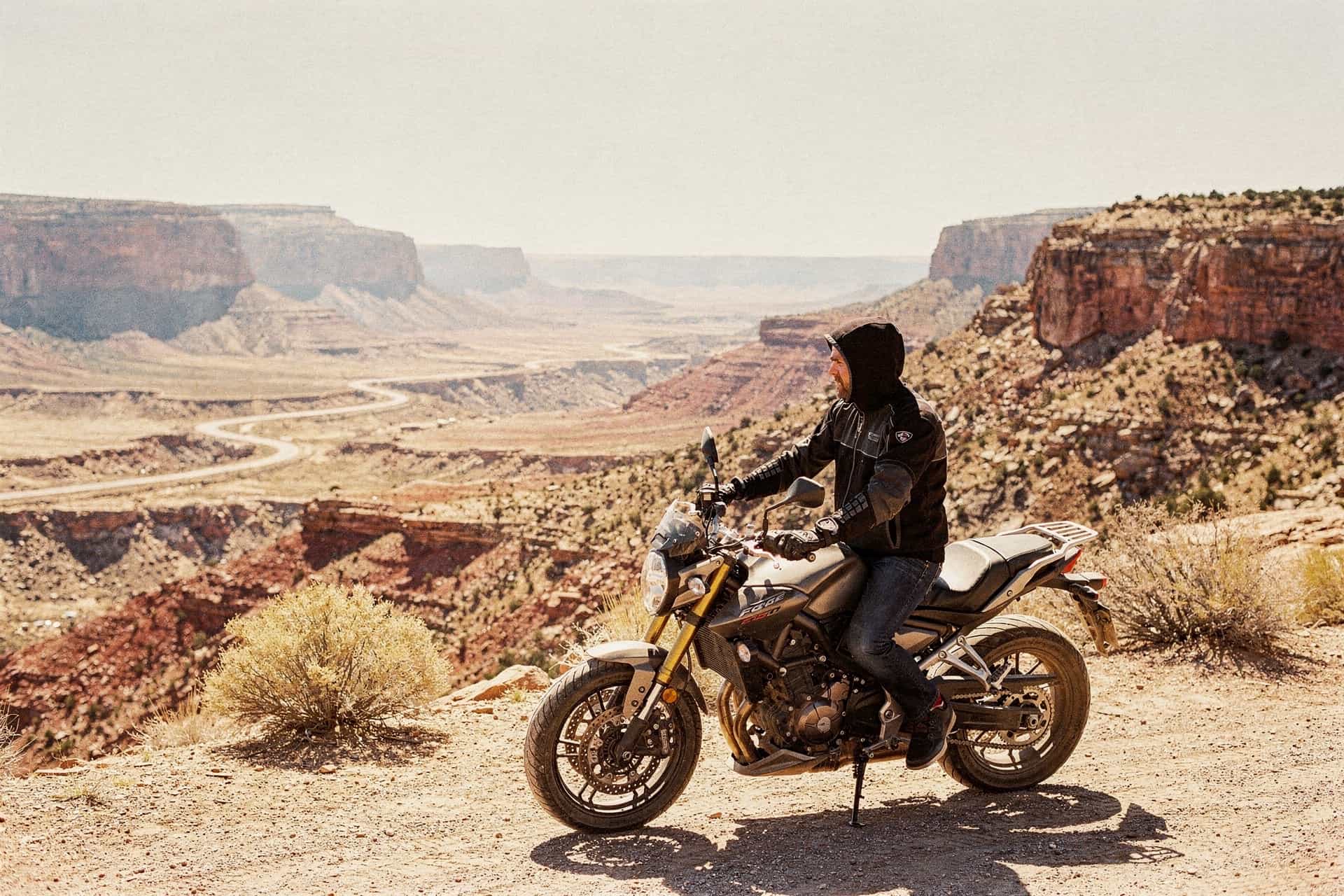
You’re gearing up for a 200-mile Saturday run. It’s 65 degrees, the sun’s out, but you know that high desert shade at 75 mph is a different story. You don’t want a full leather jacket. You don’t want to freeze. You grab a hoodie - but not just any hoodie.
The motorcycle hoodie has gone from gas station afterthought to legitimate riding gear in the last decade. Some are lined with Kevlar and loaded with CE-rated armor. Others are heavyweight cotton built to layer under a vest or over a tee. And some are straight-up garbage that’ll shred on contact with asphalt.
This guide breaks down what actually matters in a motorcycle hoodie - materials, armor ratings, brands worth trusting, and how to layer one into your riding setup without looking like you wandered off a mall escalator.
Armored Riding Hoodies vs. Casual Motorcycle Hoodies
There are two completely different products hiding under the same name, and confusing them can cost you skin.
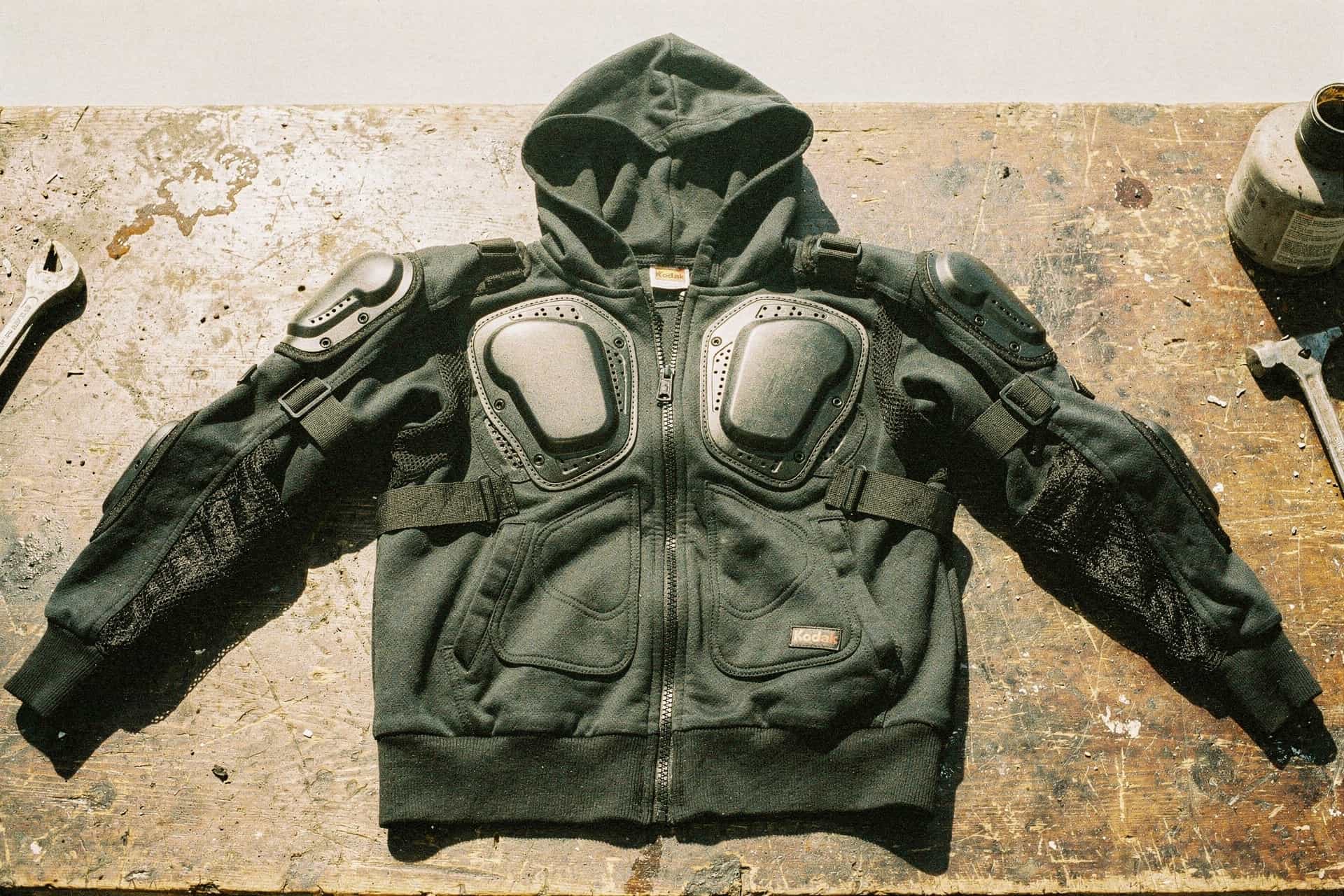
Armored riding hoodies are protective garments designed to replace or supplement a jacket. They use abrasion-resistant fabrics like Kevlar (DuPont’s para-aramid fiber), Dyneema, or proprietary blends, and they include pockets for CE-rated armor inserts at the shoulders, elbows, and sometimes the back. These are real gear. Speed and Strength, Bull-it, and Klim all make versions that have been independently tested to slide-time standards.
Casual motorcycle hoodies are exactly what they sound like - regular hoodies with bike-themed graphics, heavyweight cotton, maybe a thicker weave. No armor pockets. No Kevlar lining. They’re for hanging around the shop, cruising to the bar, or throwing on over your riding shirt after you park. They won’t save your hide in a lowside, and they’re not trying to.
Both have a place. The problem is when somebody buys a $40 “motorcycle hoodie” thinking it’ll protect them like a $250 armored one. Know what you’re getting.
What Kevlar Actually Does (and Doesn’t Do)
Kevlar shows up in almost every armored hoodie’s marketing copy, so it’s worth understanding what it brings to the table.
DuPont originally developed Kevlar (poly-para-phenylene terephthalamide) for tire reinforcement in the 1960s. Its tensile strength is roughly five times that of steel by weight. In motorcycle gear, Kevlar-lined panels resist abrasion - they keep the fabric from shredding during a slide across pavement. According to RevZilla’s gear testing data, a single-layer Kevlar lining can provide 2-4 seconds of slide time at 30 mph, compared to under 1 second for standard denim or cotton.
But Kevlar alone doesn’t absorb impact. That’s the armor’s job. A Kevlar hoodie without CE armor protects against road rash but does nothing for the blunt-force trauma of your shoulder hitting the ground at speed. You need both layers working together - abrasion resistance from the Kevlar, impact absorption from the armor.
We’ve had riders come through the shop wearing Kevlar jeans and a Kevlar hoodie but no armor inserts. They figured the fabric was enough. It’s not. The Kevlar keeps your skin on. The armor keeps your bones intact. Don’t skip either one.
CE Armor Ratings Decoded
CE stands for Conformite Europeenne - the European safety certification that’s become the global benchmark for motorcycle armor. If you’re shopping for an armored hoodie, these are the ratings that matter.
CE Level 1 (EN 1621-1): The baseline. Average transmitted force must stay below 18 kN across nine test strikes, and no single strike can exceed 24 kN. This is adequate for shoulder and elbow protection at city speeds. Most hoodie-style riding gear comes with Level 1 inserts to keep the profile slim.
CE Level 2 (EN 1621-1): Tighter standard - average transmitted force under 9 kN, no single strike above 12 kN. Half the transmitted force of Level 1. You’ll find this in higher-end jackets and some upgraded hoodie inserts. Worth the extra bulk if you’re doing highway miles.
CE Level 1/2 Back Protector (EN 1621-2): Separate standard for back armor. Many hoodies include a back armor pocket but ship without the insert - you have to buy it separately. Don’t ignore this. Your spine doesn’t get a second chance.
One thing we learned sorting through gear returns over the years: a lot of riders buy an armored hoodie, pull out the armor because it feels bulky, and never put it back in. At that point you’ve got an expensive cotton hoodie with Kevlar panels. The armor is the whole point. Leave it in.
Top Brands Making Real Armored Hoodies
Not every brand that slaps “motorcycle” on a hoodie deserves your money. These do.
Speed and Strength
Their “Rust and Redemption” and “Critical Mass” armored hoodies have been around long enough to build a real track record. Kevlar-reinforced panels in the impact zones, CE Level 1 armor at shoulders and elbows, back armor pocket. The fit runs closer to actual streetwear than most moto gear, which is a big deal if you don’t want to look like you’re wearing a costume at the coffee shop. Price range sits around $150-$200.
Bull-it Jeans (SR6 Hoodie)
Bull-it is a UK brand that earned its reputation on Kevlar denim and brought that same approach to hoodies. Their SR6 Hoodie uses Covec lining - a proprietary aramid fabric that Bull-it claims exceeds standard Kevlar slide times by a measurable margin. It meets the AA rating under EN 17092, the newer European PPE standard for motorcycle garments. CE Level 1 armor included. Expect to pay around $200-$250.
Klim
Klim leans more adventure/touring, but their Inferno hoodie crosses over. Gore-Tex Infinium liner for wind resistance, D3O armor at shoulders and elbows, a slim enough cut to work under a shell jacket. This is on the higher end - $280-$350 - but the build quality matches what Klim puts into their full riding suits.
REAX
Newer to the game but building a solid following. Their Folsom Kevlar hoodie hits a good balance between protection and everyday wearability. Kevlar lining in the shoulders, elbows, and back, plus CE armor. The price point around $130-$170 makes it one of the more accessible armored options.
Knox (Shield Hoodie)
Knox’s Shield hoodie uses their Gigatex lining - another proprietary alternative to traditional Kevlar. CE Level 2 shoulder and elbow armor included, with a back armor pocket. Knox started as an armor manufacturer before making full garments, so their inserts tend to be better integrated than brands that treat armor as an afterthought.
How to Layer a Motorcycle Hoodie
Layering is where hoodies actually shine over traditional jackets, especially for riders in variable climates or on bikes without fairings where wind exposure changes everything.
Base layer: A moisture-wicking synthetic or merino wool base pulls sweat off your skin. Cotton tees trap moisture and turn cold fast at highway speed. If you’re wearing an armored hoodie, the base layer sits against your skin while the hoodie handles protection and insulation.
Mid layer (the hoodie): An armored hoodie works as your mid or outer layer depending on temperature. In cool weather (50-65F), it’s your outer piece. In cold weather, it goes under a wind-blocking shell.
Outer shell: A textile or leather jacket over an armored hoodie gives you a two-layer protection system. The jacket takes the initial abrasion, the hoodie’s Kevlar provides the backup, and the armor handles impact. This is how a lot of long-distance riders in our circle set up for multi-day trips where they’ll hit different weather and don’t want to carry three separate jackets.
If you’re looking at our hoodie collection, those are built for the casual side - heavyweight, garage-culture graphics, designed to layer under a vest or jacket for riding or wear standalone off the bike. They pair well with the riding hoodies above. Throw one of ours on after you park and swap out the armored piece.
The EN 17092 Standard: New Rules for Riding Gear
The older CE armor ratings only covered the inserts themselves. EN 17092, introduced in 2020 and now widely adopted across the EU, rates the entire garment - fabric, seams, armor, and construction together. This is the standard you want to look for on any armored hoodie made after 2020.
The ratings scale from C (impact protectors only, no abrasion) through B (abrasion only), A (basic protection), AA (standard road), to AAA (highest, racing). Most armored hoodies land in the A or AA range. According to the UK’s Motorcycle Industry Association, any garment sold as protective motorcycle clothing in EU/UK markets must now meet EN 17092 to be legally marketed as PPE.
For riders in the US, EN 17092 isn’t legally required, but it’s the most reliable third-party benchmark available. If a brand won’t tell you their EN 17092 rating - or doesn’t have one - that tells you something about their confidence in the product.
What to Look for Before You Buy
Skip the marketing copy and check these five things.
Kevlar coverage area. Some hoodies only line the shoulders and elbows with aramid. Better ones extend coverage across the entire back panel and chest. Full-torso Kevlar lining costs more but eliminates the gaps where a slide can catch unprotected fabric.
Armor included vs. armor-ready. “Armor-ready” means there are pockets sewn in but no armor shipped with the hoodie. You’ll need to buy inserts separately - usually $30-$60 per piece. “Armor included” means it’s in the box. This distinction can turn a $150 hoodie into a $250 investment after you buy the armor it should have come with.
Seam construction. Triple-stitched seams hold under abrasion. Single-stitched seams are the first failure point in a slide. Check the inside construction, especially along the shoulder and arm seams where force concentrates during a fall.
Fit with armor in. Try the hoodie on with the armor inserted, not without. A hoodie that fits great empty might restrict your shoulder movement or bunch at the elbows once you add CE inserts. You need full range of motion for handlebar input - if you can’t comfortably reach forward and turn, the fit is wrong.
Zipper vs. pullover. Full-zip hoodies are easier to get on and off over armor, and some have internal zip connections to attach to riding pants. Pullover styles look more natural as streetwear but can be a fight to pull over bulky shoulder armor.
When a Hoodie Isn’t Enough
Straight talk: an armored hoodie is not a replacement for a proper motorcycle jacket in every situation.
Highway riding above 60 mph, track days, touring through remote areas - these call for purpose-built jackets with full-coverage armor, ventilation systems, and construction rated for high-speed impacts. An armored hoodie is a compromise. A good compromise. But a compromise.
Where hoodies make the most sense: urban commuting, short-to-medium rides in moderate weather, bar-hop runs, weekend cruises where you’re riding at sane speeds and want gear you can walk around in without screaming “I rode a motorcycle here.” For newer riders still figuring out what to own, our motorcycle beginner’s guide breaks down how to build a gear kit without overspending on things you don’t need yet.
For a deeper look at layering a full riding setup - jackets, pants, boots, gloves - check out our biker gear guide. And if you’re specifically shopping for outerwear, our breakdown of the best motorcycle jackets for men covers the jacket side of the equation.
Casual Hoodies: The Off-Bike Essential
Not every motorcycle hoodie needs Kevlar. Sometimes you just want a solid heavyweight hoodie that tells the world what you ride without explaining it.
This is where biker fashion meets function. A good casual motorcycle hoodie runs 10-12 oz cotton, maybe a brushed fleece interior, and carries graphics or branding that connects to the culture. It layers under a leather vest for rally weekends. It goes over a flannel for garage sessions. It’s the thing you reach for when the riding’s done and the beer’s cold.
We build our Bobber Brothers hoodies around that exact use case - garage-weight cotton, graphics that mean something to the culture, cuts that work on a bike or at the bar. No armor. No Kevlar. Just solid pieces you’ll actually wear every day.
The whole point is this: own both. An armored hoodie for the ride. A culture hoodie for everything else. Check out the full lineup and build your rotation around how you actually ride and live.
Sources
- RevZilla - CE Ratings in Motorcycle Gear - Explanation of CE Level 1 vs Level 2 armor standards and EN 17092 garment ratings.
- SATRA - EN 17092: Protective Clothing for Motorcycle Riders - Official testing body reference for the five-class garment protection standard (C through AAA).
- SATRA - EN 1621: Motorcyclists’ Protective Clothing Against Mechanical Impact - CE armor force transmission standards for limb protectors (18/9 kN average for Level 1/2).
- Motorcycle Industry Association (MCIA) - UK industry body confirming EN 17092 PPE requirements for motorcycle clothing.
- DuPont - Kevlar Technical Guide - Manufacturer reference for Kevlar fiber properties (tensile strength ~5x steel by weight).
- Smithsonian - Stephanie Kwolek and Kevlar - History of Kevlar development at DuPont beginning in 1964.