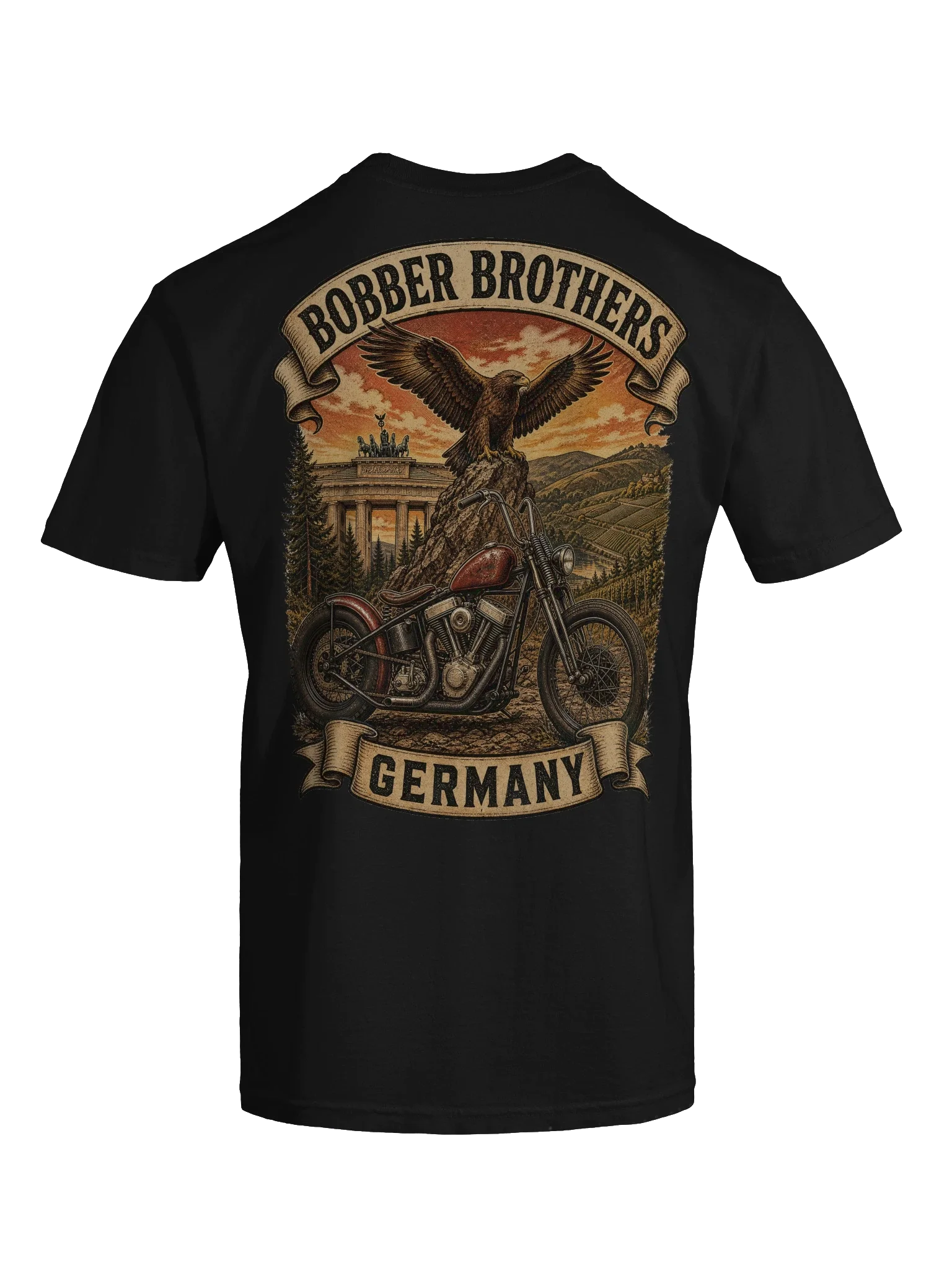
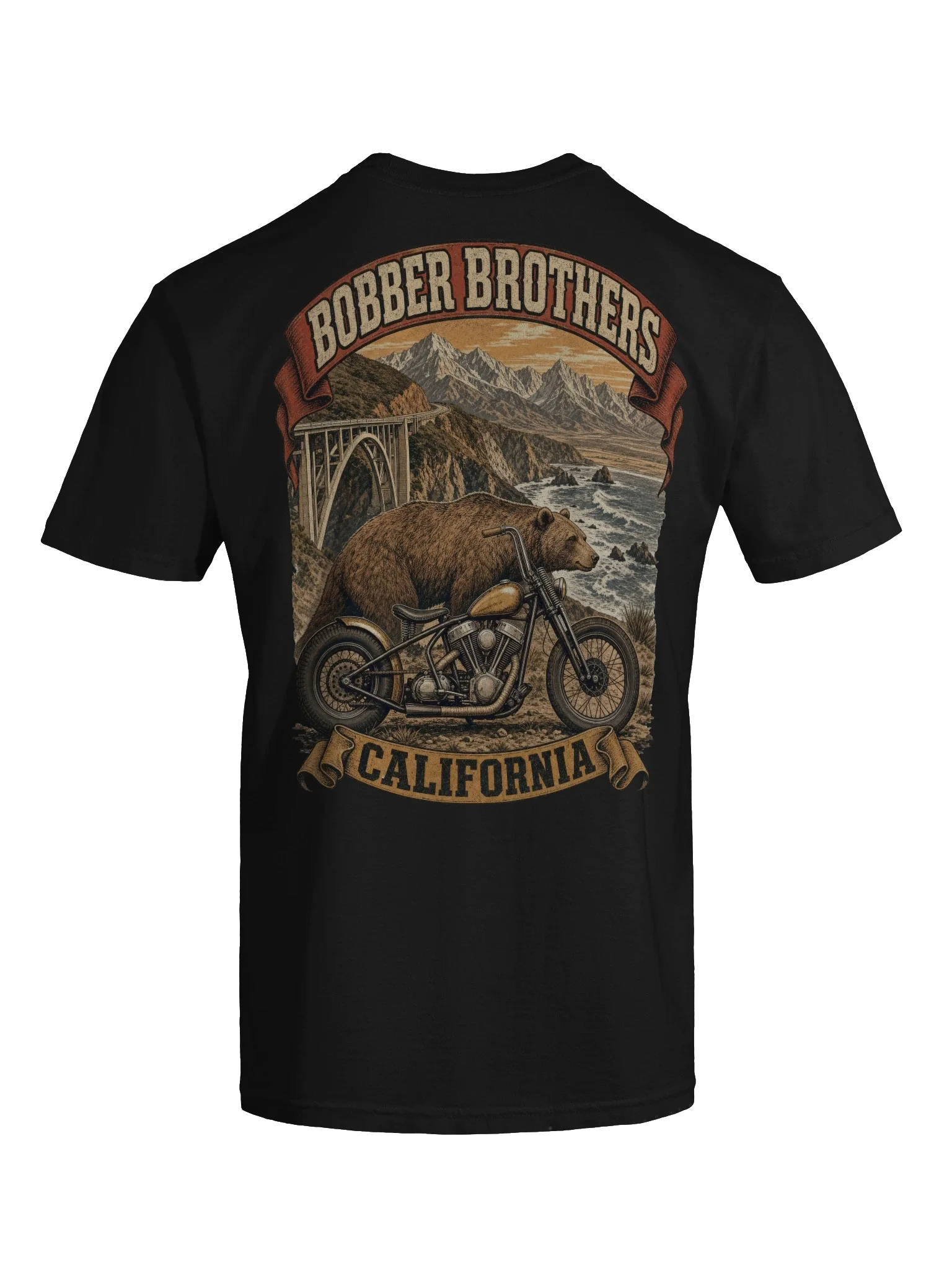
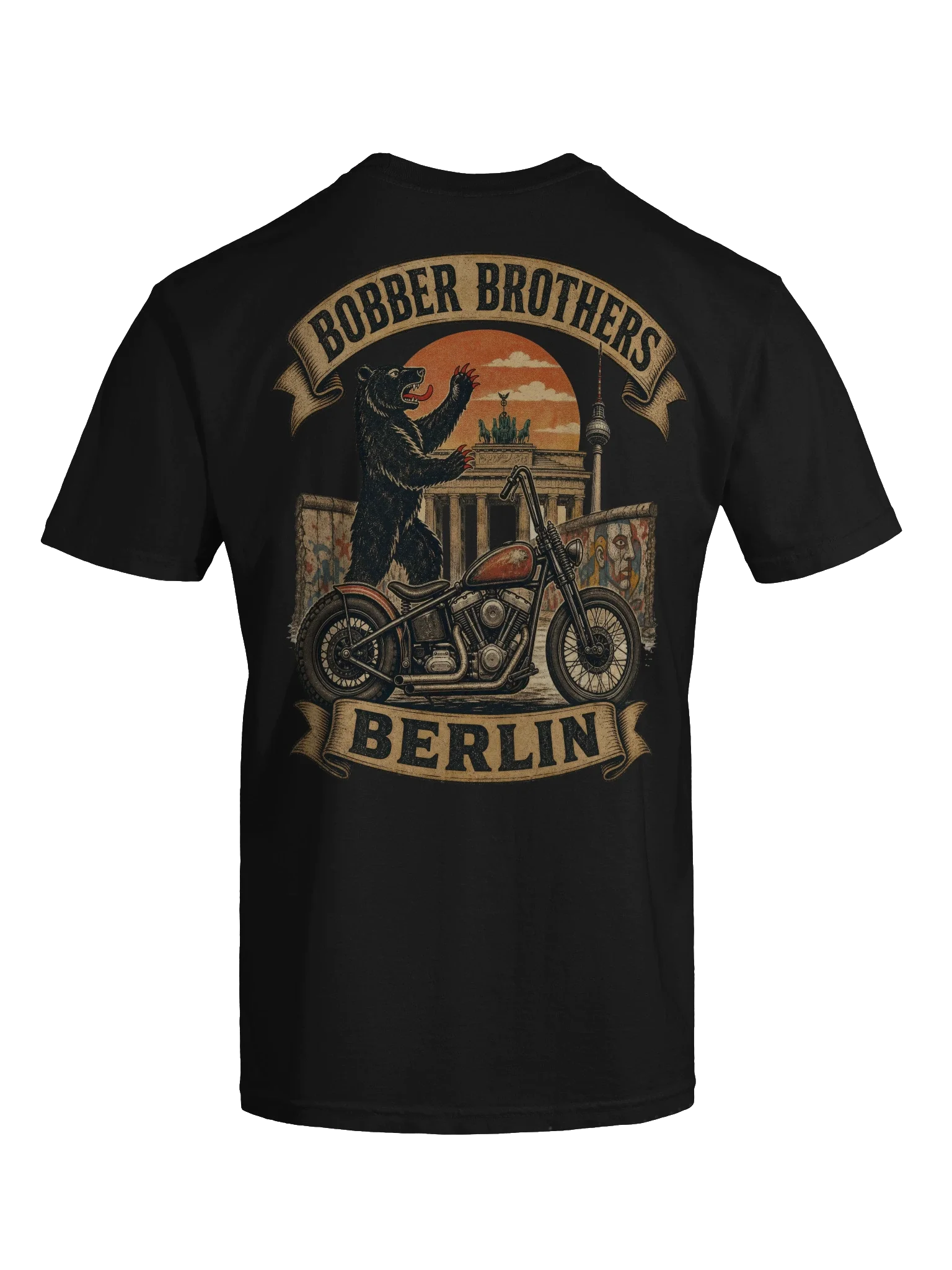
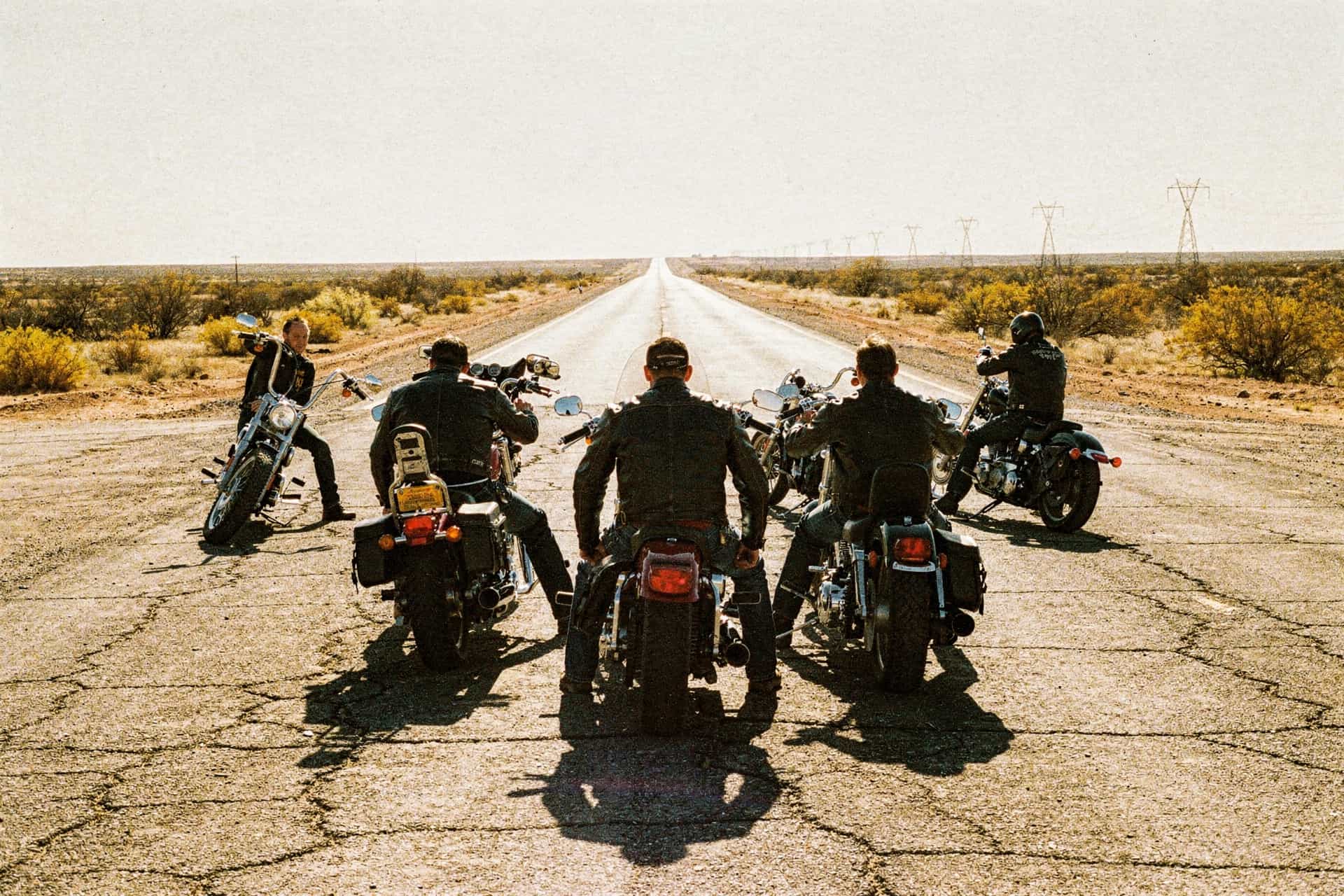
Texas has the most documented one-percenter motorcycle club presence of any US state outside of California. The Bandidos Motorcycle Club, founded in San Leon in 1966, is headquartered in Texas and has its largest chapter concentration there. The 2015 Twin Peaks shooting in Waco is one of the most documented inter-club incidents in modern US motorcycle history.
| Field | Documented detail |
|---|---|
| Anchor club | Bandidos MC (founded 1966, San Leon, TX) |
| Other documented club presence | Cossacks MC, Hells Angels (since 1980s), Mongols, multiple regional 1%er clubs |
| Notable event | Twin Peaks shootout (Waco, May 17, 2015) - 9 killed, 18 wounded amended to 20, 177 arrests, no convictions |
| State infrastructure | Over 313,000 miles of public roads (TX Dept of Transportation) |
| Federal classification | Multiple Texas-based clubs described as outlaw motorcycle gangs in DOJ reporting |
This article is not a glorification piece. It covers documented MC history in Texas and the documented incidents that have shaped the state’s outlaw motorcycle landscape. We do not publish current rosters, officers, clubhouse addresses, event schedules or chapter maps for any club, and every figure below carries the year it comes from. For broader cluster context, our motorcycle clubs complete guide is the cluster reference.
Why Texas Became MC Heartland
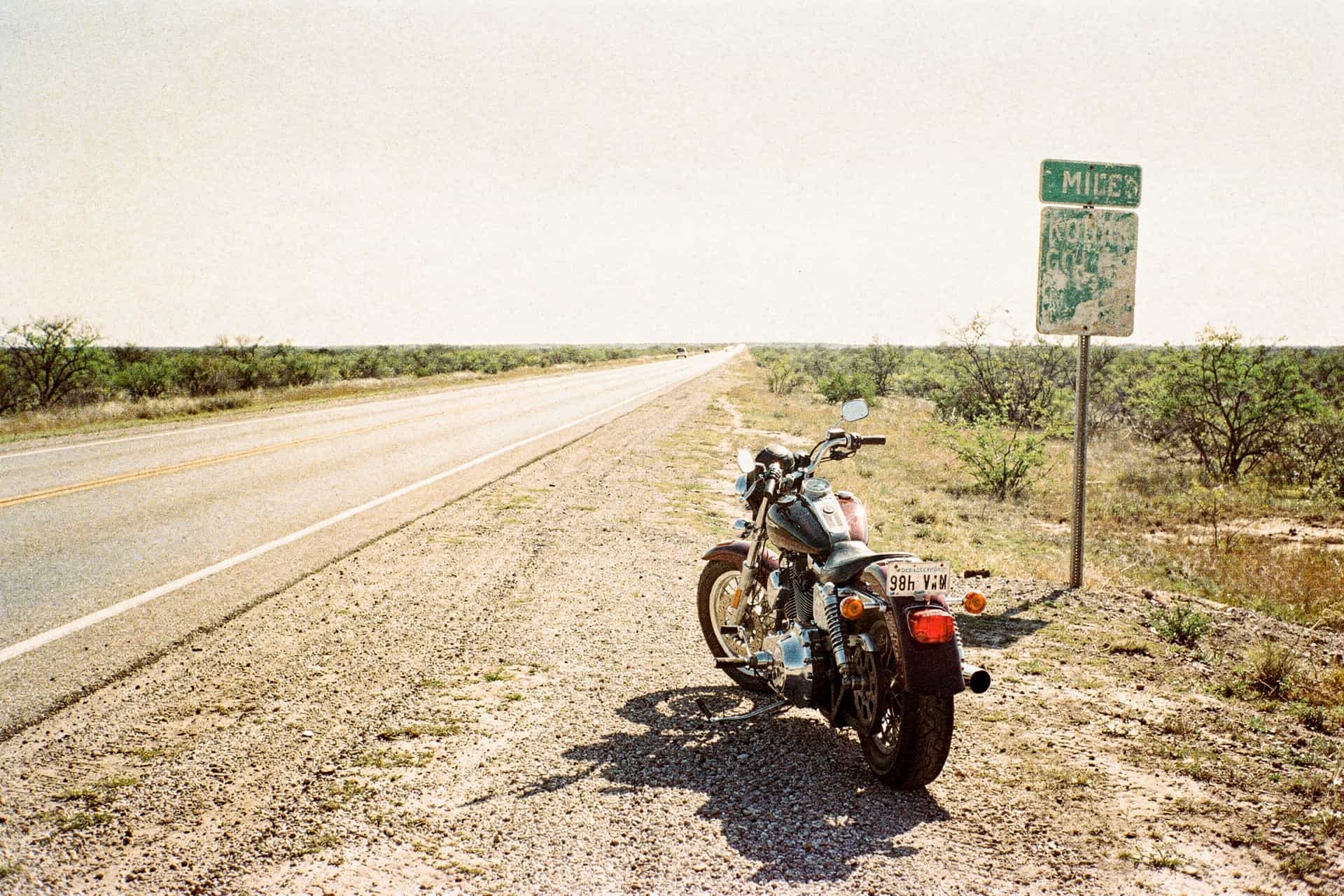
Geography and culture made it inevitable. Texas has more lane-miles of highway than any other state - over 313,000 miles of public roads according to the Texas Department of Transportation. The climate allows year-round riding across most of the state. And the independent, don’t-tread-on-me attitude that defines Texas identity maps almost perfectly onto outlaw motorcycle culture.
After World War II, when returning veterans formed the first wave of motorcycle clubs in California, it took less than two decades for the movement to migrate east. By the mid-1960s, Texas had its own homegrown clubs, and some of the California-born organizations had established Texas chapters. The state’s sheer size meant clubs could operate with significant autonomy - a chapter in El Paso and a chapter in Beaumont might as well be in different countries.
Texas also had a ready-made infrastructure for bike culture: long stretches of empty highway, a tradition of outdoor gatherings, cheap land for clubhouses, and a law enforcement philosophy that, historically, leaned toward letting people sort out their own problems. That combination created fertile ground. If you are riding Texas roads in summer heat, that fertile ground demands proper preparation - our biker gear guide covers what to actually wear when the thermometer hits triple digits and the slab stretches to the horizon.
The Outlaw Tradition Takes Root
The 1%er concept - born from the supposed AMA statement that 99% of motorcyclists were law-abiding - found a natural home in Texas. The state’s frontier mentality, its long border with Mexico (which became significant for club operations on both sides), and its deeply rooted suspicion of federal authority all contributed.
By the 1970s, Texas had become one of the most contested territories in the American MC world. Multiple clubs claimed regions, and disputes over territory - who could wear what patch, who could ride where - became a recurring source of conflict that would shape the state’s biker landscape for decades.
The Bandidos: The Club Texas Is Known For
No article about Texas biker gangs can avoid the Bandidos Motorcycle Club. Department of Justice assessments describe it as one of the largest outlaw motorcycle organizations in the world, and its identity is bound to Texas from the founding onward. For the broader outlaw MC context, start with our complete motorcycle clubs guide.
Founding and Early Years
The Bandidos were founded on March 4, 1966, by Donald Eugene Chambers in San Leon, Texas - a small, unincorporated community on the western shore of Galveston Bay. Chambers was a Vietnam War veteran and dockworker who had spent time around Houston-area motorcycle groups. The club’s original members were largely working-class men from the Gulf Coast industrial corridor: refinery workers, dockworkers, mechanics.
The club’s name and the “Fat Mexican” logo - a cartoonish bandido character holding a pistol and a machete - were deliberately provocative. Chambers set an aggressive tone from the start, and the club expanded rapidly through Southeast Texas during the late 1960s and into the 1970s.
Growth Into a Global Organization
By the mid-1970s, the Bandidos had chapters across Texas and had begun expanding into other states. In December 1972, Chambers and two other Bandidos members murdered two drug dealers in the desert north of El Paso. Chambers was convicted and sentenced to life in prison. He was paroled in 1983 and died of cancer in El Paso in 1999. Leadership passed to Ronnie Hodge, and later to other national presidents who continued the club’s expansion.
The real explosion in Bandidos membership came in the 1980s and 1990s. The first foreign chapter was established in Sydney, Australia, in 1983. European expansion followed with a chapter in Marseille, France, in 1989. Today, the Bandidos claim chapters in 22 countries and an estimated membership of 3,000 to 3,500 worldwide, according to Department of Justice assessments.
But the club’s power base has always been Texas. The national headquarters remains in the Houston area. Texas chapters are considered the most senior, and the state’s Bandidos population is believed to be the club’s largest single-state concentration.
What Bandidos Territory Means in Practice
“Bandidos territory” is a phrase riders hear constantly, and it does more work in conversation than it does in any document. We do not publish a territory map, because a current one would be operational detail and a stale one would be wrong.
What the phrase describes in practice is simpler than a map. If you are not in a club, you are generally not going to have problems. Wear your own gear, ride your own ride, and do not pretend to be something you are not. The friction is between clubs, over patches and respect, and independents who mind their own business rarely encounter it.
That said, certain patches, symbols, and even geographic areas carry meaning that outsiders might not recognize. A “Texas” bottom rocker on a vest, for example, is claimed by specific clubs. Wearing one without authorization is not a fashion choice - it is a statement, and it will be treated as one. If you are putting together riding gear and want to rep your state, a Bobber Brothers patch that celebrates the build-not-bought lifestyle keeps you on the right side of that line.
The Cossacks: A Texas-Born Rival
While the Bandidos dominate the Texas MC conversation, they have never been the only significant club in the state. The Cossacks Motorcycle Club, founded in Tyler, Texas, in 1969, operated for decades as a regional club with chapters across central and East Texas.
The Cossacks wore a “Texas” bottom rocker, which put them in conflict with the Bandidos, who considered that rocker theirs by right. Published accounts consistently describe that dispute as the background tension going into 2015. It is the reported context for the Twin Peaks confrontation rather than a documented immediate cause, and those are different things.
Twin Peaks, Waco: May 17, 2015
On a Sunday in May 2015, more than 200 people, including members of the Bandidos, the Cossacks and several other clubs, gathered at the Twin Peaks restaurant in Waco for a regional meeting of the Texas Confederation of Clubs and Independents. Attendees said the agenda concerned motorcyclists’ rights legislation.
Many details remain disputed a decade later. What follows is limited to what court records and documented press investigations support.
The Shooting
Gunfire erupted at 12:24 p.m. Initial reporting described the confrontation starting in the parking lot over a parking spot and someone’s foot being run over, escalating from a fight to gunfire within seconds. Nine people were killed. Eighteen were reported wounded at the time, a figure later amended to twenty. No officers, restaurant customers or bystanders were hurt.
Eighteen Waco police officers and four Texas Department of Public Safety troopers were already staged outside because of intelligence that there could be trouble, and they responded within about 30 seconds. The Associated Press reviewed more than 8,800 pages of evidence, including police reports, and confirmed that the gunfire included rounds fired by police that struck bikers. The AP reported that it was not clear whether those rifle shots caused any of the deaths. Later reporting has stated that most of the nine killed were killed by police, and a Waco police investigation and ATF ballistics analysis followed.
The scale of the scene is documented in the incident report: more than 430 weapons recovered, including 151 guns, some pulled from vehicles, from bushes outside the restaurant, and from toilets in the men’s bathroom.
The Legal Aftermath
In the hours following the shooting, police arrested 177 people, effectively everyone present wearing club colors, and charged them with engaging in organized criminal activity with bail set at $1 million each. Fifteen more were charged later. People were held for days or weeks. The mass arrests drew criticism from civil liberties organizations and legal scholars who called the blanket charges unconstitutional.
The prosecutions then collapsed over five years. The first and only trial, of Bandidos member Jacob Carrizal in 2017, ended in a mistrial after the jury deadlocked. The McLennan County District Attorney’s office dismissed the remaining cases, and the entire episode ended without a single conviction.
The Waco case became a landmark example of how the criminal justice system handles - and mishandles - MC-related incidents. The mass arrests, the million-dollar bonds, the years of legal limbo for people who were present but may not have participated in any violence - all of it raised questions that extend far beyond motorcycle culture.
What Twin Peaks Changed
The shooting did not end the tension between the two organizations, but it changed the dynamics. Published accounts describe the Cossacks contracting sharply in the years that followed. We have not found a court record or government release that documents a formal dissolution, so treat any claim that the club ceased to exist as reporting rather than record.
For the broader Texas MC community, Twin Peaks became a cautionary reference point. Club meetings and inter-club gatherings became more guarded. The Confederation of Clubs continued to operate but with heightened awareness that any meeting between rival factions carried potential consequences - not just from other clubs but from law enforcement watching from the parking lot.
Beyond Bandidos and Cossacks: The Full Texas MC Landscape
Texas hosts dozens of motorcycle clubs beyond the Bandidos. Understanding the landscape means recognizing the different categories.
Other 1%er Clubs in Texas
The Hells Angels have maintained a presence in Texas since the 1980s, though their footprint is smaller than in California or the East Coast. Tensions between the Hells Angels and Bandidos have historically been among the most dangerous inter-club rivalries worldwide, though open conflict in Texas has been less common than in other regions.
The Mongols MC, headquartered in California, has also had documented Texas presence. Other 1%er clubs have attempted to establish Texas footholds over the decades with varying degrees of success. We do not publish who holds what today, because that is exactly the kind of current operational claim that is unverifiable from public records and unwise to publish even when it is not.
Support Clubs and Riding Clubs
Below the 1%er tier, Texas has hundreds of riding clubs (RCs) and motorcycle associations that operate without the territorial politics of the outlaw world. These range from brand-specific groups (Harley owners groups, Indian riders, etc.) to veteran MCs, Christian motorcycle ministries, and cultural organizations like the Latin American Motorcycle Association (LAMA).
Many of these clubs attend the same rallies as the most famous biker gangs, park in the same lots, and share the same roads - but they operate under entirely different rules and expectations. The distinction between a motorcycle club (MC) and a riding club (RC) is significant. Wearing a three-piece patch - top rocker, center patch, bottom rocker - carries different weight than a single-patch riding club insignia.
If the patch and club hierarchy world interests you, our complete guide to motorcycle clubs breaks down the structure in detail.
Texas Rally Culture: Where the Clubs Converge
Texas is home to some of the largest motorcycle gatherings in the country, and these events serve as the public face of the state’s biker culture - for better and worse.
Republic of Texas (ROT) Rally - Austin
The ROT Rally, held annually in Austin since 1995, draws an estimated 35,000 to 45,000 riders each June. It is the largest motorcycle rally in Texas and one of the biggest in the United States. The event fills the Travis County Expo Center and spills across downtown Austin with bike shows, live music, stunt demonstrations, and vendor rows.
ROT is notable for its relatively open atmosphere. Unlike Sturgis, which has a strong 1%er presence, or Daytona, which has become heavily commercialized, ROT sits somewhere in the middle - big enough to attract major industry sponsors but still grassroots enough that you will see custom bobbers parked next to stock touring bikes. The Austin setting helps. The city’s live-music culture bleeds into the rally, and the event has historically attracted a broader cross-section of riders than many comparable gatherings.
Lone Star Rally - Galveston
The Lone Star Rally in Galveston, held each November, draws around 400,000 attendees over four days, making it one of the largest motorcycle events in the country by sheer attendance. The Gulf Coast setting - bikes rolling down Seawall Boulevard with the ocean on one side - gives it a different feel from inland rallies.
Galveston’s proximity to Houston and the Bandidos’ home territory means club presence is visible. But the rally itself is primarily a public event focused on bike shows, concerts, and vendor markets.
Other Notable Texas Gatherings
The Texas Motorcycle Rights Rally in Austin, organized by the Texas Motorcycle Rights Association, focuses on legislative advocacy. The Giddings Rally, Luckenbach bike nights, and various regional poker runs round out a calendar that keeps Texas riders busy nearly year-round.
Attendance figures for all of these come from organizer and local press estimates rather than ticketed counts, so treat them as rough. The pattern worth knowing is that the smaller gatherings, the ones passed around by word of mouth and held on a ranch outside Fredericksburg or a county road near Terlingua, carry more of the culture than the stadium-scale events. The big rallies are worth hitting once. If you are heading to one, a solid riding tee and respect for the people around you is all you actually need.
How Law Enforcement Views Texas MCs
The relationship between Texas motorcycle clubs and law enforcement is complex and has evolved significantly over the decades.
The Bureau of Alcohol, Tobacco, Firearms and Explosives (ATF) has conducted multiple major operations targeting Texas-based MCs. In 2015 - the same year as the Twin Peaks shooting - a federal grand jury indicted multiple Bandidos leadership members on RICO (Racketeer Influenced and Corrupt Organizations Act) charges. The indictments alleged involvement in drug trafficking, extortion, and murder conspiracy. Former Bandidos national president Jeffrey Fay Pike and former national vice president John Xavier Portillo were convicted in May 2018. Portillo was sentenced to two consecutive life terms plus 20 years.
Texas also has dedicated gang intelligence units within the Texas Department of Public Safety that track MC activity. The state classifies certain motorcycle clubs as “gangs” under the Texas Penal Code, which allows enhanced penalties for crimes committed in association with those organizations.
This classification has been controversial. Defenders of MC culture argue that branding an entire organization as a gang criminalizes association itself - punishing people for membership rather than individual conduct. Civil liberties organizations have raised similar concerns, particularly in the wake of the mass arrests at Twin Peaks.
The Fine Line
The reality is that some members of some motorcycle clubs engage in criminal activity. That is documented through decades of court records. But labeling every club member - or every person who wears a patch - as a criminal is both legally questionable and factually wrong. The overwhelming majority of MC members, even within 1%er clubs, hold jobs, pay taxes, and ride motorcycles because they love riding motorcycles. The criminal element within these organizations is real but represents a fraction of the membership.
This nuance gets lost constantly in media coverage. A shooting between rival club members becomes “biker gang warfare.” A drug bust involving one member becomes a club-wide indictment in the public imagination. The actual picture is messier, more human, and more complicated than any headline can capture.
Riding Through Texas as an Independent
For riders who are not affiliated with any club, Texas is simply one of the best states in the country to own a motorcycle. The roads - particularly through the Hill Country, the Trans-Pecos region, and the twisting Farm-to-Market routes in East Texas - are among the finest riding in North America.
Understanding the MC landscape does not mean being afraid of it. It means being aware. Know what the patches mean. Know that a large group of riders wearing matching vests is a club, not a costume party. Show respect the way you would show respect to anyone in any context - by not staring, not taking uninvited photos, and not asking questions that are none of your business.
If you ride Texas long enough, you will share a gas station with a club pack. You will park next to a row of patched bikes at a barbecue joint. These are not movie scenes. They are Tuesday. Nod, keep your business your own, and ride on. That is how the road works.
The Future of Texas MC Culture
Texas motorcycle club culture is not static. Demographics are shifting - the average age of 1%er club members has been climbing for decades, and recruitment of younger riders has slowed across most major organizations. At the same time, the broader motorcycle community in Texas is diversifying. Women-led riding groups, multicultural clubs, and adventure-riding communities are growing faster than traditional MC structures.
The big clubs will not disappear, and the Bandidos remain the organization most associated with the state. But the cultural landscape around them is evolving. The gap between the 1%er world and the recreational riding world grows wider each year, and most riders exist entirely in the latter - building bikes in their garages, riding with friends on weekends, and engaging with MC culture primarily through its aesthetics and traditions rather than its organizational structures.
That is fine. The culture belongs to everyone who throws a leg over a motorcycle and points it down a Texas highway. The clubs are part of the story - a big part - but they are not the whole story. Never have been.
Sources
- U.S. Department of Justice: Jury Convicts Bandidos Leadership on All Federal Charges - 2018 conviction details for Pike and Portillo
- DEA: Former Bandidos National Vice President Sentenced to Life - Portillo sentencing details
- NBC News: Waco Biker Shooting - Prosecutors Drop All Charges - the dismissal of the remaining Twin Peaks cases and the absence of convictions
- Texas Tribune: Twin Peaks Biker Shootout Results in No Convictions - post-shooting legal proceedings and case dismissals
- NBC 5 Dallas-Fort Worth: Waco Police Bullets Hit Bikers in May Melee at Twin Peaks - the Associated Press review of more than 8,800 pages of evidence, the police-fired rounds, and the weapons recovered
- KWTX: 7 Years Ago Today, Shootout at Waco Twin Peaks Leaves 9 Dead, 18 Wounded - local reporting on the timeline, the officers staged outside, and the casualty count
- Texas Department of Transportation - state highway mileage and infrastructure data