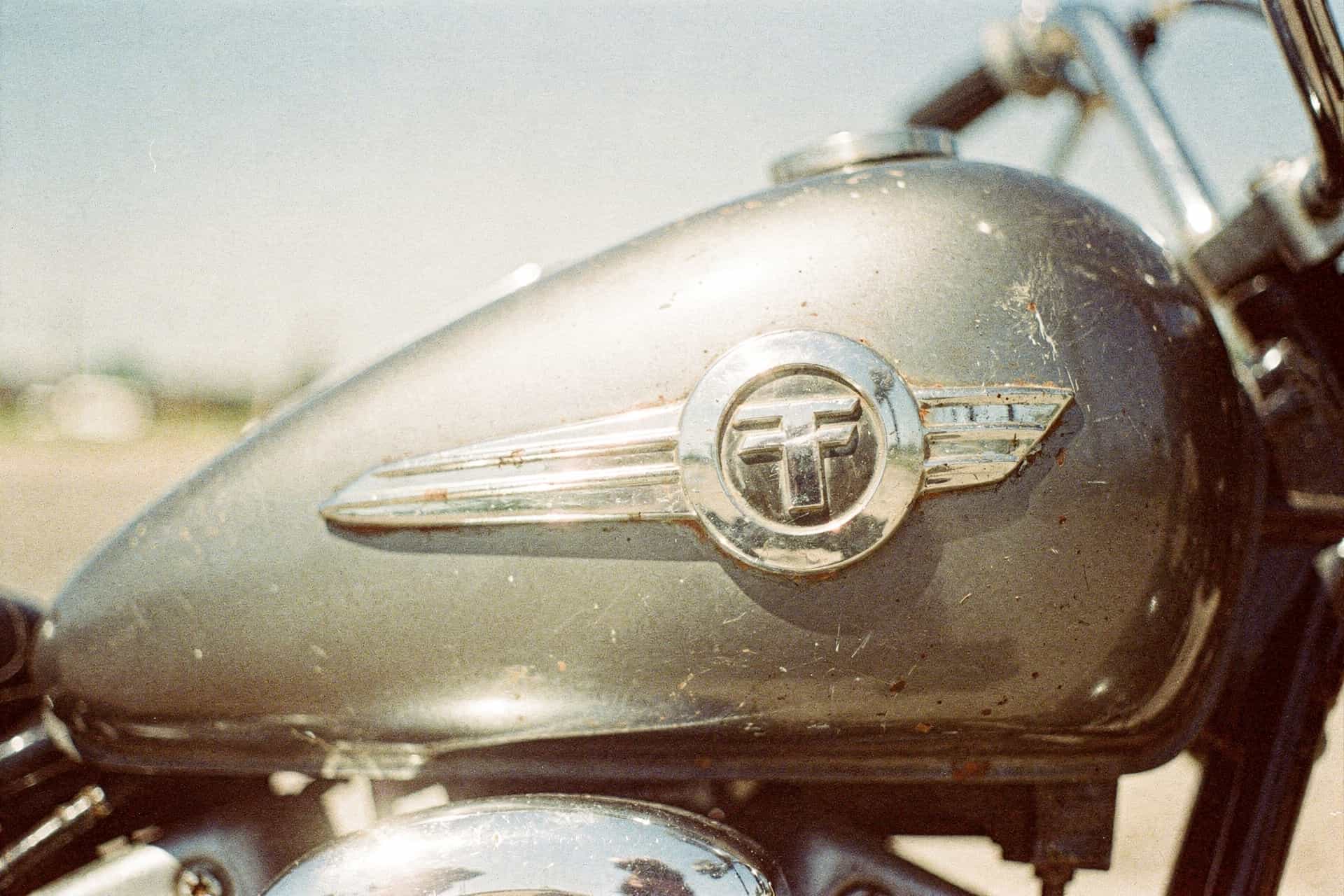
Harley tank badges are small parts with a long memory. They can connect a motorcycle to a design era, but they are also among the easiest pieces to swap during a repaint, crash repair, or custom build. That makes a tank emblem useful evidence, not a serial number.
A rider checking an old tank at a swap meet should look past the face of the badge. Stud spacing, adhesive outlines, filled holes, paint shadows, casting marks, and the tank’s underside often reveal more than a polished front. A badge that looks right from ten feet away may still be a reproduction installed decades after the bike left the factory.
This guide separates documented Harley-Davidson logo milestones from model-specific claims that require a parts catalog.
Our rule for loose tanks and badges: if the seller cannot connect the part to a model-year catalog entry, treat the claimed year as unverified until the part number and mounting details prove it.
The Defensible Harley Emblem Timeline
Harley-Davidson’s own archive material documents several milestones. These dates describe the logo or a known tank appearance. They do not mean every motorcycle built in that year used the same badge.
| Year or period | Documented milestone | What it proves |
|---|---|---|
| 1908 | Harley archives say accessory wet-transfer decals for toolboxes and frame necks carried part numbers dating to 1908 | Early branded decals existed, but this is not proof of one universal fuel-tank design |
| 1910 | The Bar and Shield trademark application was filed, and the logo appears on a 1910 motorcycle catalog in the archives | The core mark was in company use by 1910 |
| 1922 | Harley archives date the first close association of the Bar and Shield with black and orange to parts and accessories packaging | Black and orange became an important brand treatment, not a mandatory tank color for every model |
| 1963 | Harley archives identify 1963 as the first model year for the simplified diamond logo on motorcycle fuel tanks | A specific tank-logo milestone, not a rule for every model after 1963 |
| 1976 | Harley revived the version of the logo still used today, drawing from a 1931 monogram patch | The modern identity was reintroduced at company level |
| 1977 | Harley archives identify the XLCR Cafe Racer as the first tank appearance of the present-day logo | A model-specific first use documented by the factory archive |
This short table is deliberately narrower than many internet timelines. Exact claims about a badge appearing on every Panhead, Shovelhead, AMF model, Softail, or Touring motorcycle need model-year documentation. Paint and trim options make universal year ranges unreliable.
A Factory Model-Year Emblem Checkpoint: 2008 Softail
Harley’s 2008 Softail parts catalog shows what a defensible by-year lookup actually requires. One model year contains several left/right medallion pairs, model restrictions, paint restrictions, and a separate anniversary application. The entries below are transcribed from the catalog’s fuel-tank-trim table.
| Model year and application | Left part | Right part | Factory catalog boundary |
|---|---|---|---|
| 2008 FLSTN | 62276-05 | 62277-05 | Listed for specified standard and two-tone factory tank colors |
| 2008 FXSTB | 62299-06 | 62300-06 | Listed for specified gloss and Denim factory tank colors |
| 2008 FXCW | 62314-08 | 62315-08 | Listed for specified standard and Deluxe tank colors |
| 2008 FXCWC | 62381-08 | 62382-08 | Listed for specified Deluxe tank colors |
| 2008 anniversary copper pearl on FLSTC, FLSTF, FLSTN, and FXSTC | 62388-08 | 62389-08 | Anniversary paint application only |
| 2008 FLSTC and FLSTF | 62567-08 | 62568-08 | Cataloged as restricted-sales fuel-tank medallions |
This table does not extend any part to another year. A part number ending in -05 can remain in a later catalog, but that suffix is not permission to invent a universal 2005-2008 fitment range. The catalog also lists some tank graphics only as part of a painted tank assembly, which is another reason a marketplace decal chart cannot replace the exact model-year book.
Use this same standard for another year: identify the model, open that year’s parts catalog, find the fuel-tank trim or decal section, and copy the part number together with every model and paint note. If the catalog says SEE NOTE or ties the graphic to a tank assembly, keep that limitation in the record.
1908-1922: Brand Marks Before a Universal Tank Formula
Harley-Davidson’s Bar and Shield archive story is unusually careful about the early record. It says no archive document confirms who designed the logo or what inspired it. It also distinguishes accessory decals, catalog art, packaging, and motorcycle use.
That distinction matters. A logo printed in a catalog does not prove that every fuel tank carried it. Early motorcycles could have hand-applied striping, transfer graphics, market differences, or later restoration work. When an early tank is valuable, a broad visual resemblance is not enough authentication.
The archive does establish that the Bar and Shield was used by 1910. It also says that black and orange became closely associated with the mark around 1922 through parts and accessories packaging. Those are solid brand-history dates without pretending they form a complete tank fitment list.
The Flying Diamond Question
Flying Diamond is a common collector name for a geometric early Harley tank treatment. It is also a source of conflicting dates online. The current public Harley archive pages used for this article do not provide a complete model-by-model Flying Diamond application table, so this guide does not assign one universal year range.
Recognition is not authentication. Reproduction decal sets are widely available, and restorers often repaint a tank in the style of a different year. Before calling a Flying Diamond-style tank original to a motorcycle, compare:
- The motorcycle’s VIN and documented model year
- Factory literature for that model and market
- The tank shape and filler arrangement
- The decal dimensions and placement
- Layers of paint visible at chips, seams, and mounting points
- Restoration invoices or period photographs tied to the motorcycle
If the tank is loose and has no documented connection to a motorcycle, describe it as a tank carrying a Flying Diamond-style graphic unless a part number or archive record establishes more.
1963: The Diamond Logo Reaches the Tank
Harley’s archive says two simplified logos replaced the earlier treatment by 1964 and identifies the 1963 model year as the first use of the diamond logo on motorcycle gas tanks. This is different from the 1930s Flying Diamond. The similar informal names are one reason secondary timelines become confused.
For a 1960s restoration, do not search only for “diamond emblem.” Use the exact model and year, then compare factory catalog art or a documented original motorcycle. The emblem may be a decal, medallion, or graphic treatment, and the surrounding paint is part of the application.
1976-1977: The Present-Day Mark Returns
Harley-Davidson says it began using the version still familiar today in 1976. The archive traces that revival to a monogram patch sold in 1931. It identifies the 1977 XLCR Cafe Racer as the first motorcycle tank appearance of the present-day logo.
That does not make a modern Bar and Shield correct for every late-1970s tank. The XLCR statement is model-specific. Other motorcycles retained their own graphics and trim. This is exactly why a logo-history page and a parts catalog answer different questions.
The Harley-Davidson history guide provides the wider company and engine timeline around these changes. For the AMF period specifically, use the model year and original literature instead of treating the AMF lettering as one badge shared by the entire range.
Why a Year-Only Emblem Chart Fails
Several variables can change the tank treatment within one model year:
Model family
A Sportster, Softail, Dyna, Touring bike, and special-edition model may use different tank shapes and graphics in the same year. An emblem correct for one family can be wrong for another even when both are genuine Harley parts.
Paint option
Two-tone paint, anniversary packages, and custom paint can change the graphic or emblem. The painted-parts catalog may list separate tank assemblies for chrome trim, black trim, or a special scheme.
Market
Parts and graphics can vary by market. Confirm the VIN’s market designation and use the corresponding catalog rather than assuming a domestic US example applies worldwide.
Mid-year and special production
Limited paint sets, Custom Vehicle Operations models, police motorcycles, and anniversary editions need their own documentation. A broad decade label cannot establish their original trim.
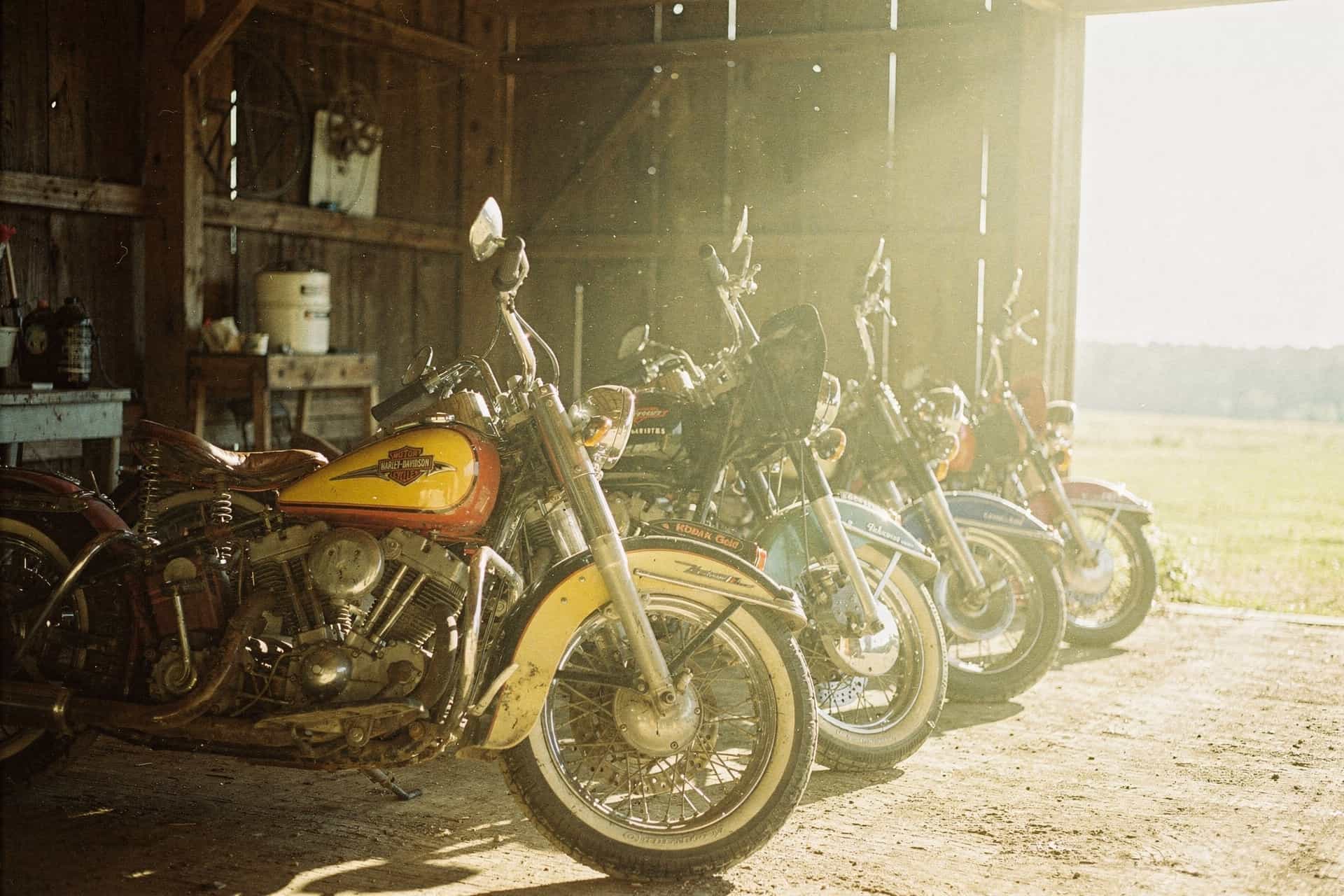
Replacement tanks
Crash repair, corrosion, customization, and repainting separate many tanks from their original motorcycles. A later service tank may accept a genuine emblem but still be wrong for the VIN.
How to Verify a Harley Tank Emblem
1. Decode the motorcycle first
Start with the full VIN and the Harley VIN lookup guide. Establish the exact model year, model, market, and engine family. Do not date the motorcycle from the tank because the tank may be the replaced part.
2. Find the model-year parts catalog
Select the motorcycle in the Harley-Davidson Service Information Portal. Search the parts catalog for the fuel tank, emblem, medallion, nameplate, decal, or graphic. Record the part number and any notes tied to model or paint option.
A catalog part number is stronger evidence than a marketplace title. Sellers often use wide year ranges to describe physical fit, not factory-correct application.
3. Establish the original paint option
The emblem and paint scheme work together. Use the model-year painted-parts catalog where available. Our Harley paint-code guide explains why the VIN helps identify the bike but does not directly provide a universal refinish formula.
4. Inspect the tank as an object
Remove nothing until you know how the emblem mounts. Look for:
- Factory holes, welded brackets, or adhesive pads
- Extra holes or filled holes under the paint
- Ghost outlines from a larger or smaller emblem
- Mismatched weathering between badge and paint
- Casting numbers, stamped numbers, or supplier marks
- Different paint layers at seams and damaged areas
Fresh adhesive on an old-looking badge is not proof of deception. It may mean the correct emblem was reinstalled after paint. The point is to document what changed.
Buying a Loose Tank or Emblem
A loose part has lost most of the context that makes identification reliable. Ask the seller for photographs of the back, mounting points, seams, filler neck, tunnel, underside, and every number. A single front view is not enough.
For an emblem, measure overall width, height, stud spacing, stud diameter, and curvature. A flat badge may not seat on a tank with a tighter crown even when the holes appear close. For an adhesive emblem, compare the molded back and alignment features with the factory parts illustration.
For a tank, check whether holes were welded closed or added later. Paint overspray on mounting surfaces, a newer liner, or grinding around brackets can indicate repair without proving the tank is unusable. What matters is whether the seller describes those changes accurately.
Do not pay an originality premium from a claimed year range alone. Ask for the part number, the catalog page supporting the application, and provenance connecting the piece to a known motorcycle. If those are absent, price it as an unidentified or reproduction part that may fit after measurement.
Before installing a used tank, have it inspected for leaks, structural repairs, internal corrosion, and incompatible sealers. Historical fitment research does not establish that a fuel container is safe to use.
5. Compare factory images carefully
Period brochures and archive photographs can confirm placement and proportions. Match the exact model, not just the engine era. Camera angle and reproduction quality can distort color and size, so use images alongside the catalog rather than alone.
6. Preserve reversible evidence
If originality matters, photograph the tank, mounts, fasteners, and back of the emblem during removal. Bag and label original hardware. Do not grind off studs or drill new holes before the part-number research is complete.
Genuine, Reproduction, and Custom Emblems
A genuine Harley emblem can still be incorrect for a motorcycle. It may be a later accessory or a factory part from another model. A reproduction can be visually accurate but should not be represented as an original factory-installed part. A custom badge can be the right choice for a build without making any historical claim.
For a restoration, document which category each part belongs to:
- Original to the motorcycle, supported by provenance
- Correct original-type part sourced later
- Genuine Harley accessory or replacement
- Licensed reproduction
- Unlicensed reproduction
- Custom graphic or emblem
This language is more useful than calling every aged part “original.” It tells the next owner what is known and what is inferred.
Record uncertainty too. A restoration file that marks an application as unverified is more honest and more useful than a confident guess repeated later.
For a custom bobber build, factory correctness may not be the goal. Even then, check mounting clearance, fuel resistance, paint compatibility, and whether a studded emblem can be installed without compromising the tank.
Rep the History
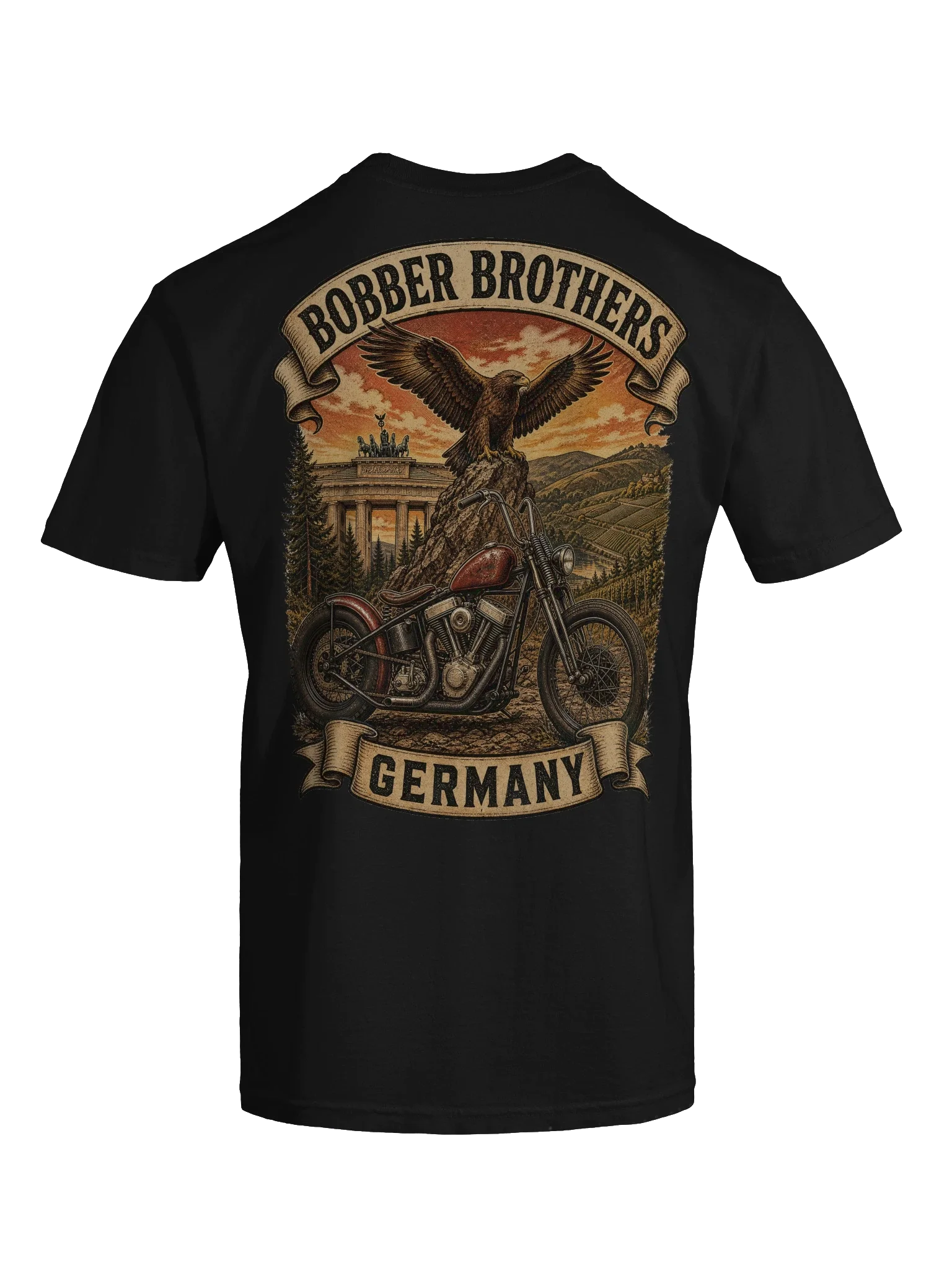
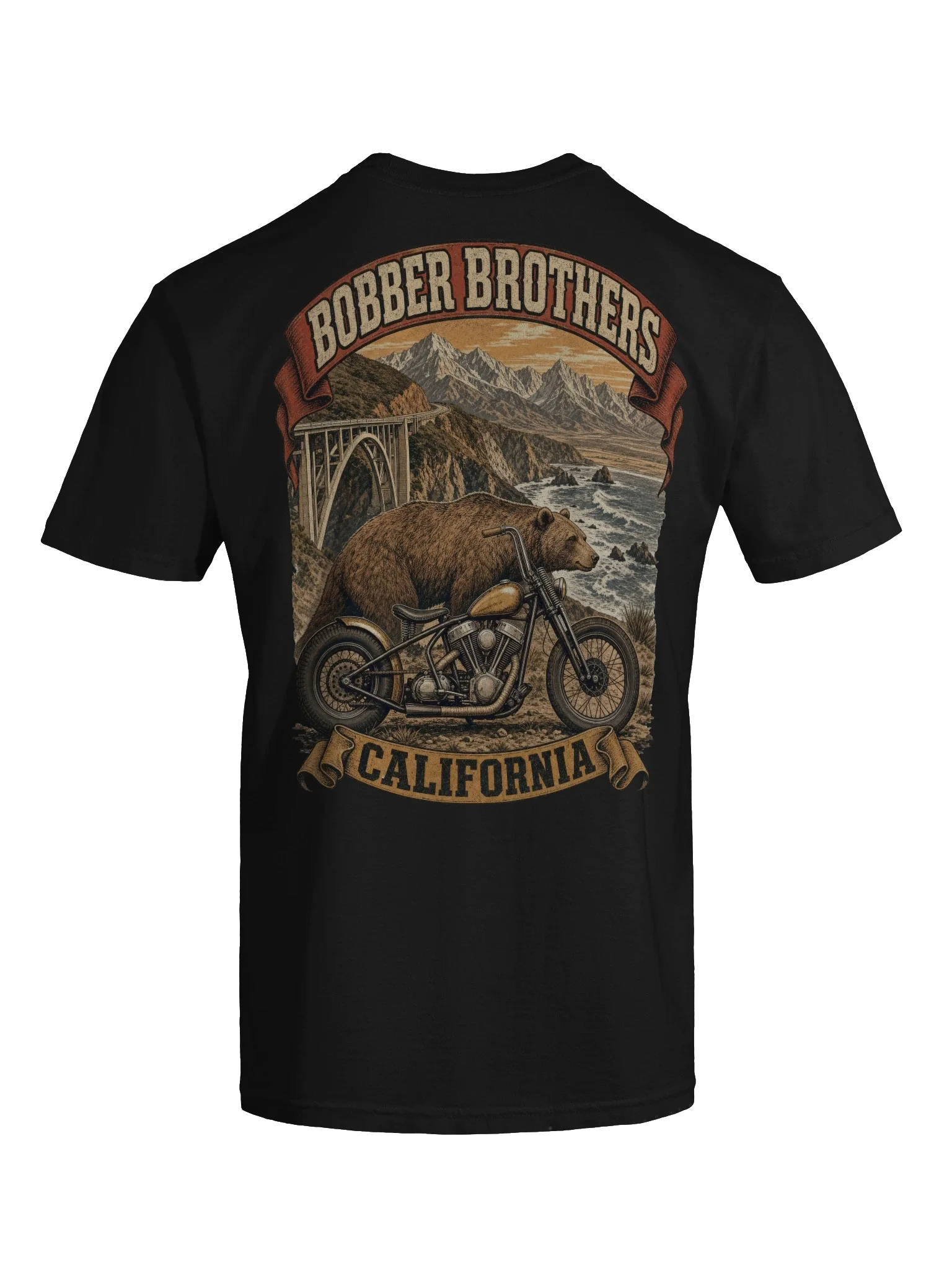
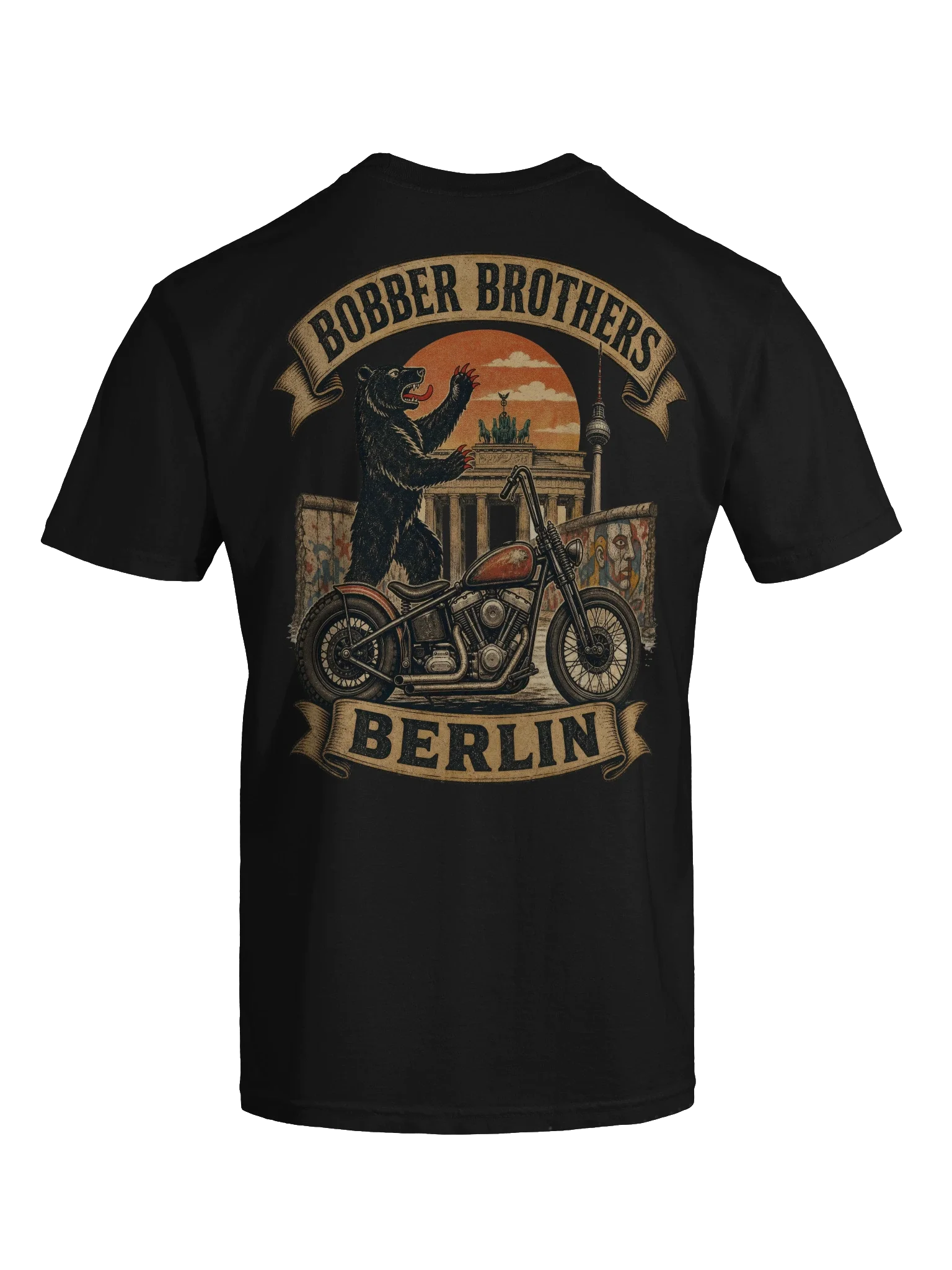
If you ride Harley and want to wear something that matches the attitude, check out our Bobber Brothers t-shirt collection. Designed by riders, for riders. No corporate logos. Just gear that fits the culture. For the vintage look that matches those old tank badges, the Old School Motorcycles tee is the one to grab.
Read More From the Brotherhood
- HD 103 Engine: HP and Torque
- The Harley-Davidson Sportster Seventy Two
- Harley-Davidson Street Rod Review
Sources
- Harley-Davidson Archives - The Bar and Shield Logo - factory archive account of the 1910 trademark, 1922 color association, 1963 diamond tank logo, and 1976-1977 milestones
- Harley-Davidson - 2008 Softail Parts Catalog - factory fuel-tank-trim table supporting the model, paint, medallion, and part-number checkpoint
- Harley-Davidson Service Information Portal - factory model-year parts catalogs and painted-parts information used to verify exact applications
- Harley-Davidson Museum - access point for preserved motorcycles, archives, and historical artifacts
- USPTO Trademark Search - primary trademark-record search for independent verification of registration history