4 AM in the Black Hills, 47 Degrees, and Your Hoodie is at the Bottom of the Bag
You planned for August heat. You packed shorts, tank tops, and sunscreen. Then the first morning at Sturgis hit you with 47 degrees and a canyon wind that cuts through a t-shirt like it is not there. Your hoodie is buried under three days of dirty clothes at the bottom of a saddlebag you packed in your driveway a thousand miles ago.
Every rider who has done a rally has a version of this story. The wrong gear at the wrong time, the thing you forgot that you needed most, the souvenirs you had no room to carry home. A motorcycle rally is not a weekend ride with a backup plan. You are living off what fits on two wheels for anywhere from three days to two weeks, and there is no running home for what you forgot.
We have been at rallies from Sturgis to Daytona, selling gear and talking to riders about what works and what does not. This is the packing list we wish someone had handed us before our first one.
Start with the Bike, Not the Bag
Most packing guides start with clothes. That is backwards. Your motorcycle is the thing that gets you there and gets you home, and a breakdown at a major rally means a 4-to-8-hour wait at the nearest shop during peak days. Every mobile mechanic within 50 miles is already booked.
Pre-rally service checklist:
- Tires: check tread depth and sidewall condition. Replace anything questionable before you leave, not on the road.
- Brakes: pads, rotors, fluid level. Rallies mean stop-and-go traffic you did not plan for.
- Chain or belt: tension, wear, lubrication.
- Lights and signals: every one of them. You are riding in crowds of half a million people.
- Oil: fresh before any trip over 500 miles.
- Coolant: check level on liquid-cooled bikes.
On-bike tool kit:
- Basic wrench set that fits your bike’s fasteners
- Multi-tool
- Tire plug kit (tubeless) or tube patch kit
- Zip ties and electrical tape - the duct tape of motorcycle repair
- Spare fuses and a spare spark plug
- A spare ignition key hidden somewhere on the frame
This is not paranoia. It is the difference between a two-hour roadside fix and a two-day wait for a tow truck in rural South Dakota. For a complete breakdown of what gear matters and why, our biker gear guide covers everything from head to boot.
The Layering System: Pack for Three Climates in One Day
Rally weather does not care about your forecast app. Sturgis in August can swing from 100 degrees at noon to 50 degrees by midnight. Daytona in late February can drop 20 degrees when a cold front rolls in off the Atlantic. Laconia in June brings mountain cold in the mornings and humid heat by afternoon.
The answer is layers, not more clothes.
Base layer: A moisture-wicking synthetic tee or long-sleeve. Not cotton - cotton holds sweat and stays wet. One or two synthetic base layers that you can rinse in a sink and hang dry overnight.
Mid layer: This is where a heavyweight hoodie earns its place on the bike. A cotton-poly fleece hoodie works as a morning warm-up layer, an evening camp layer, and a buffer under your riding jacket when the temperature drops. We have watched riders at Sturgis go through an entire day in a hoodie - cold morning ride through Spearfish Canyon, off by noon when the sun hits, back on when the sun drops behind the hills.
Outer layer: Your riding jacket, ideally vented or mesh for daytime heat with a zip-in rain liner. The rain liner doubles as a windbreaker for cold morning starts. If your jacket does not have one, pack a separate rain jacket - non-negotiable at any rally. Black Hills summer storms are violent and sudden.
Rain pants: Roll them tight, stuff them in the bottom of a saddlebag. You will not think about them until you need them, and when you need them, nothing else matters.
Pack to Buy, Not to Wear
Here is the counterintuitive advice that experienced rally riders know: pack fewer clothes than you think you need.
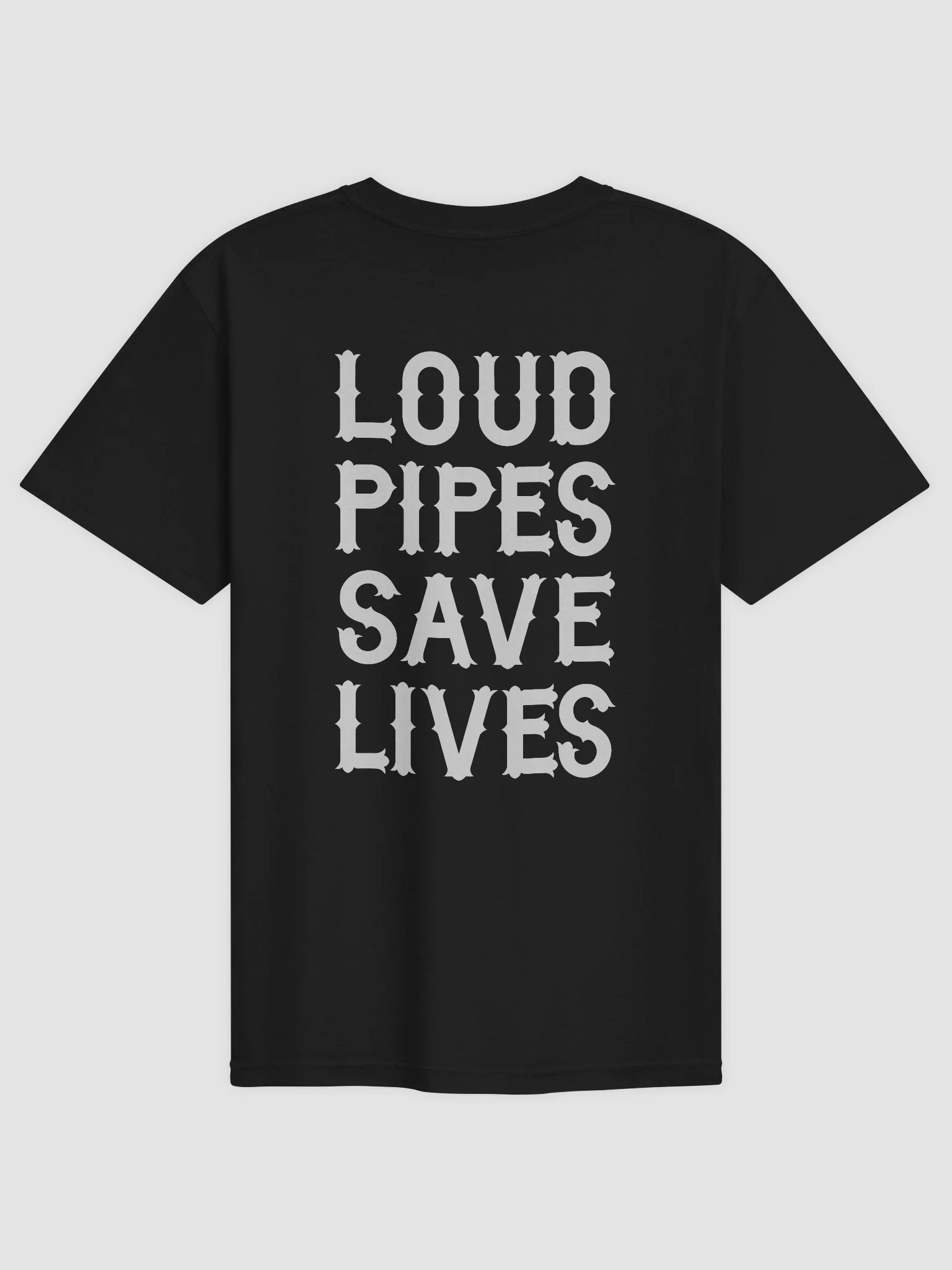
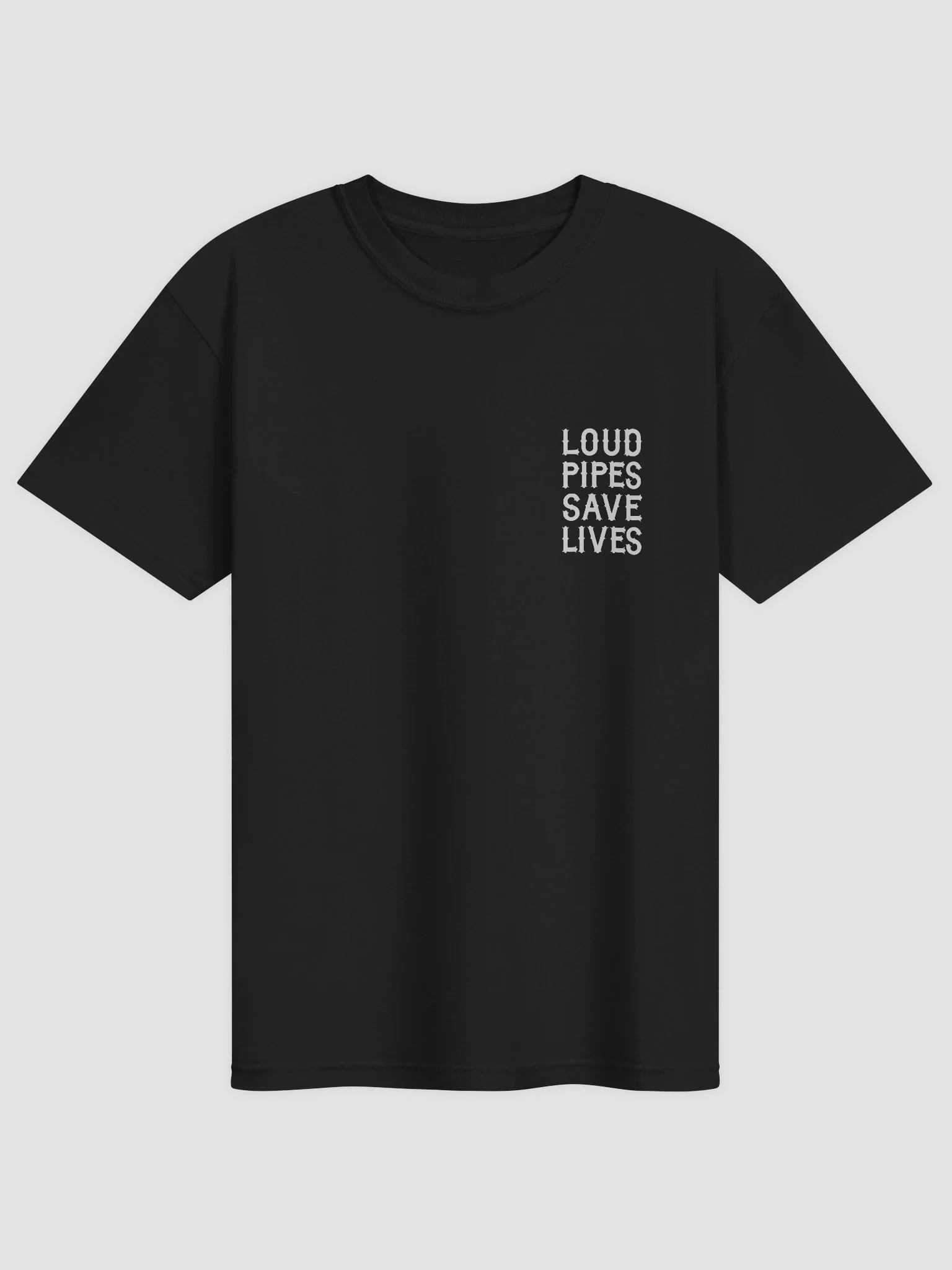
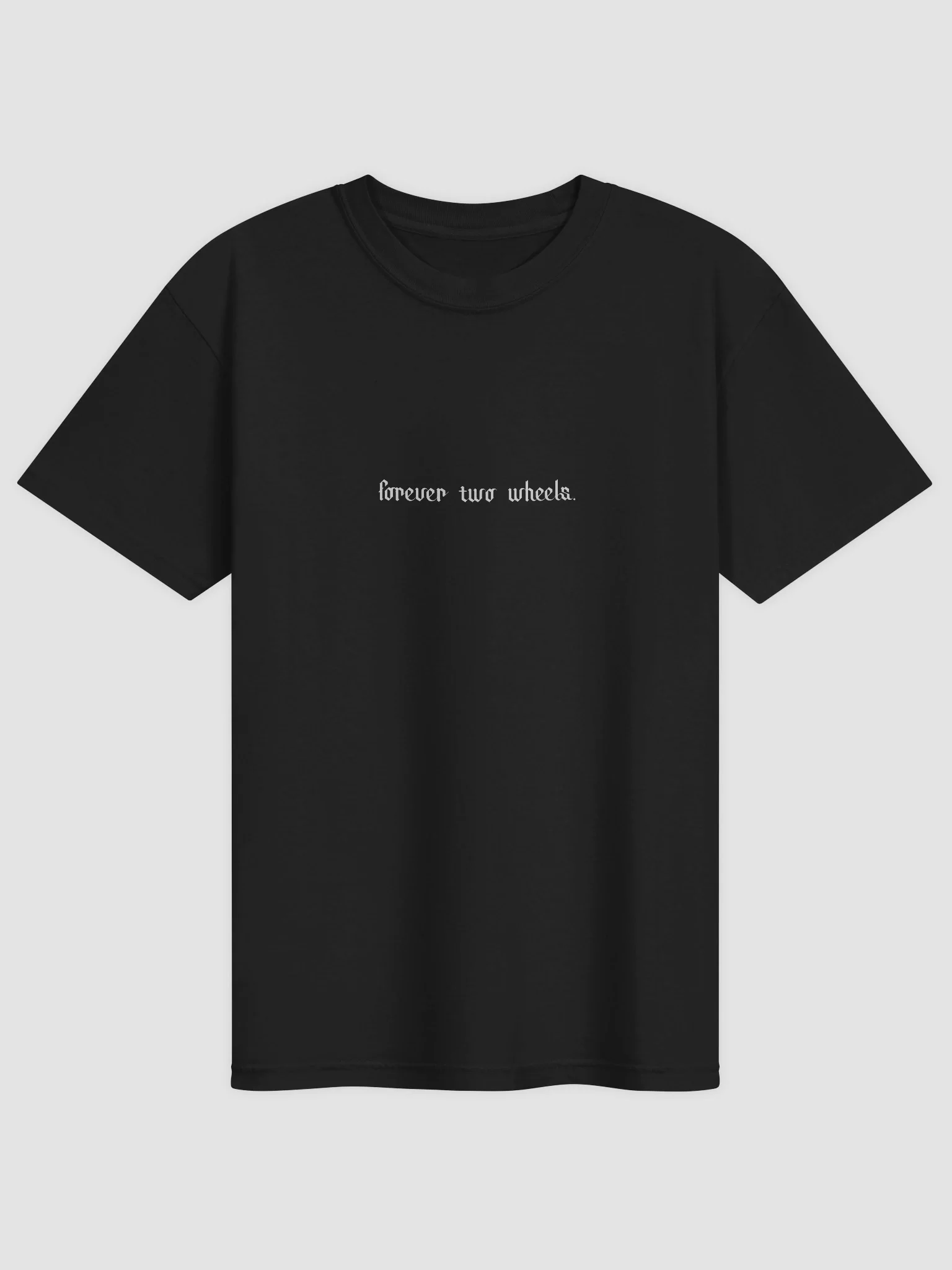
The tradition at motorcycle rallies is buying shirts when you get there. A rally tee from Sturgis 2026 is proof you were there - a timestamp on fabric. A tee you packed from home is just a tee. Vendor rows at every major rally stretch for blocks, and they are selling graphic tees, hoodies, patches, pins, and accessories from the moment the gates open.
What to pack from home:
- 2-3 riding shirts (synthetic or lightweight cotton for under a jacket)
- 1 hoodie or mid-layer fleece
- 1 pair of riding jeans or pants plus 1 backup
- Enough underwear and socks for the trip (these are the one thing you do not want to buy at a rally)
- Your riding jacket, boots, gloves, helmet
What to buy at the rally:
- Event-year tees (these are the ones that matter - a “Sturgis 2026” shirt is different from a generic “Sturgis” shirt you can order online any time)
- Rally patches and pins for your vest
- Gear from independent builders and garage brands you will not find anywhere else
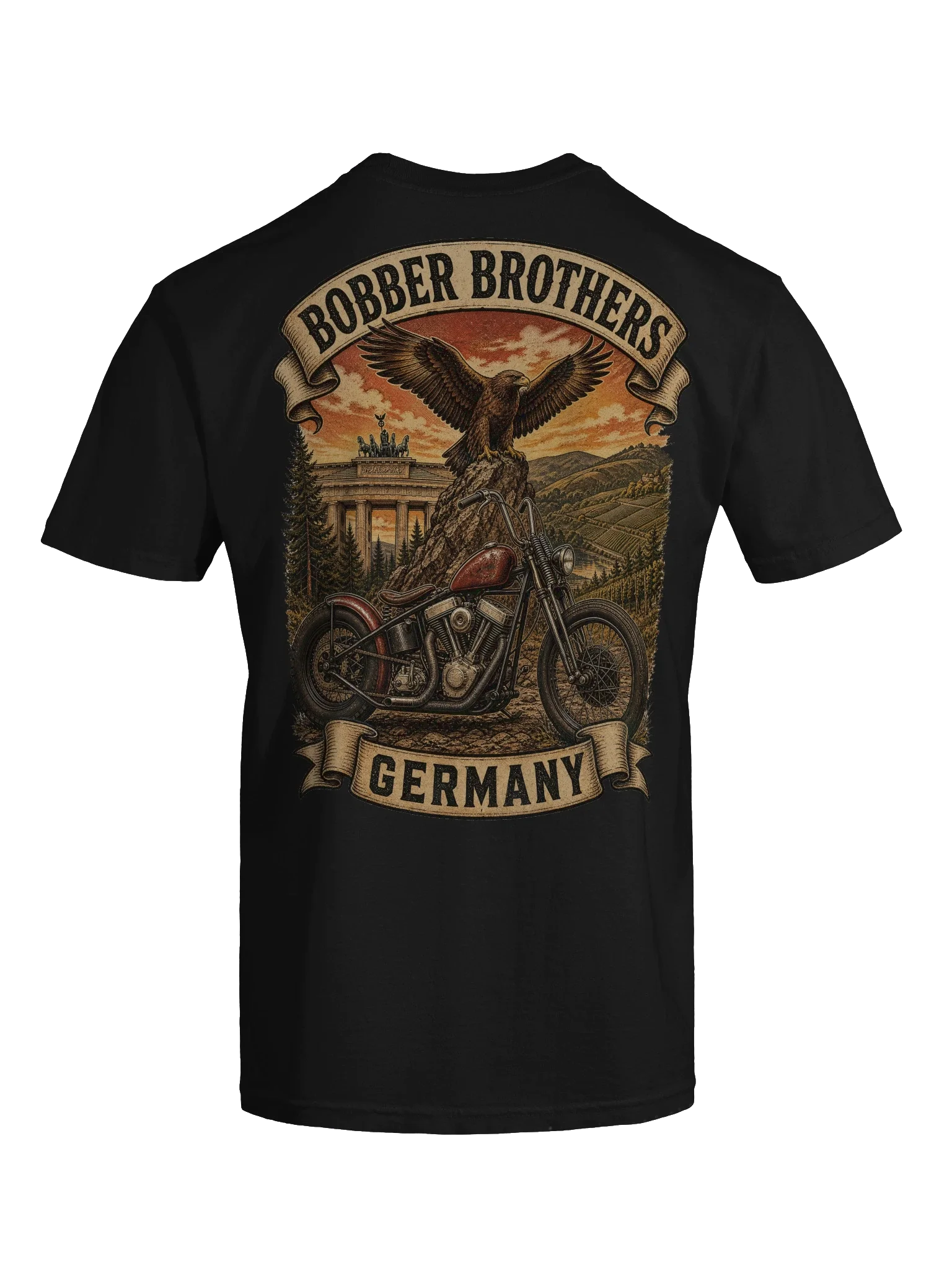
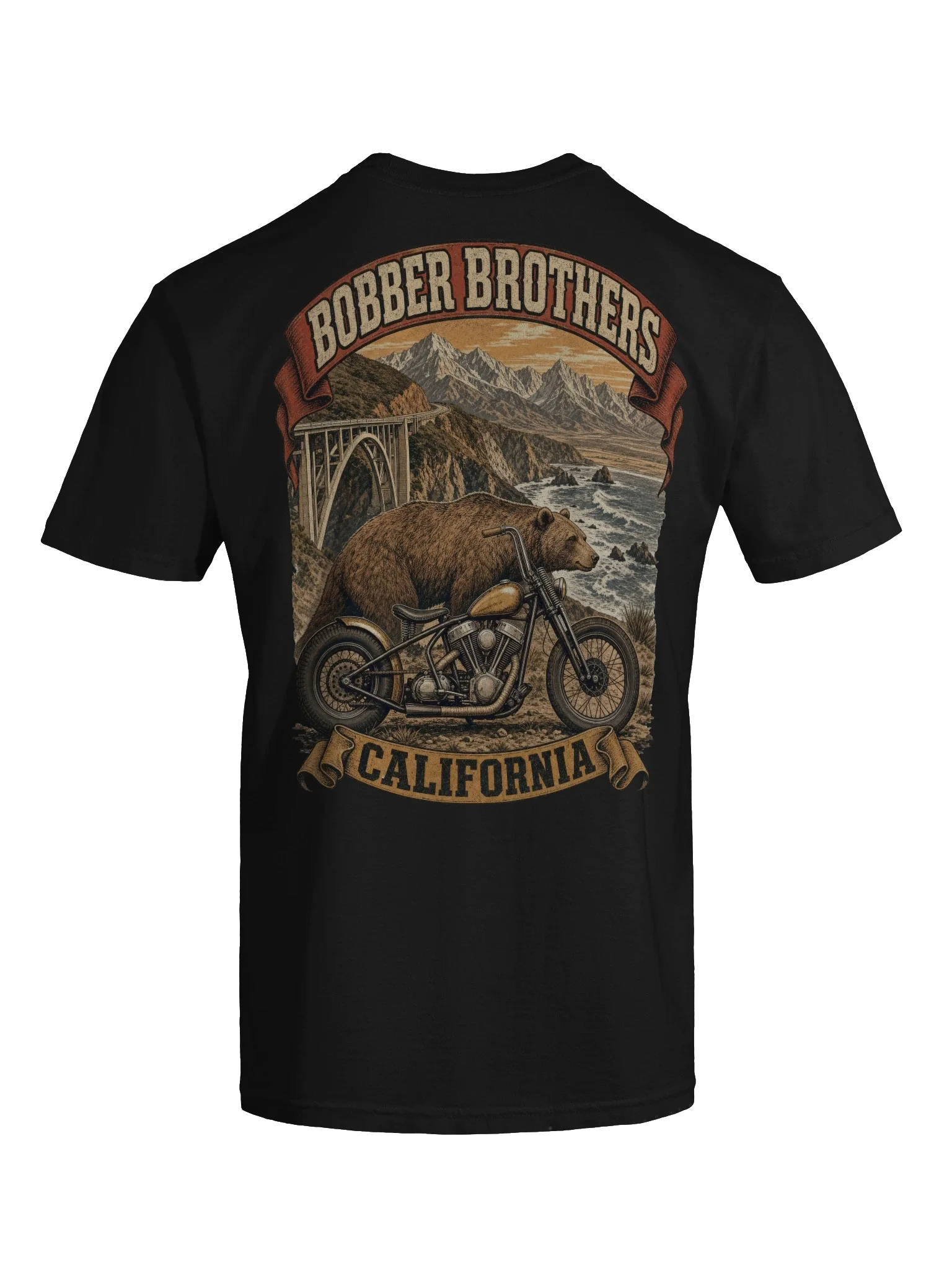
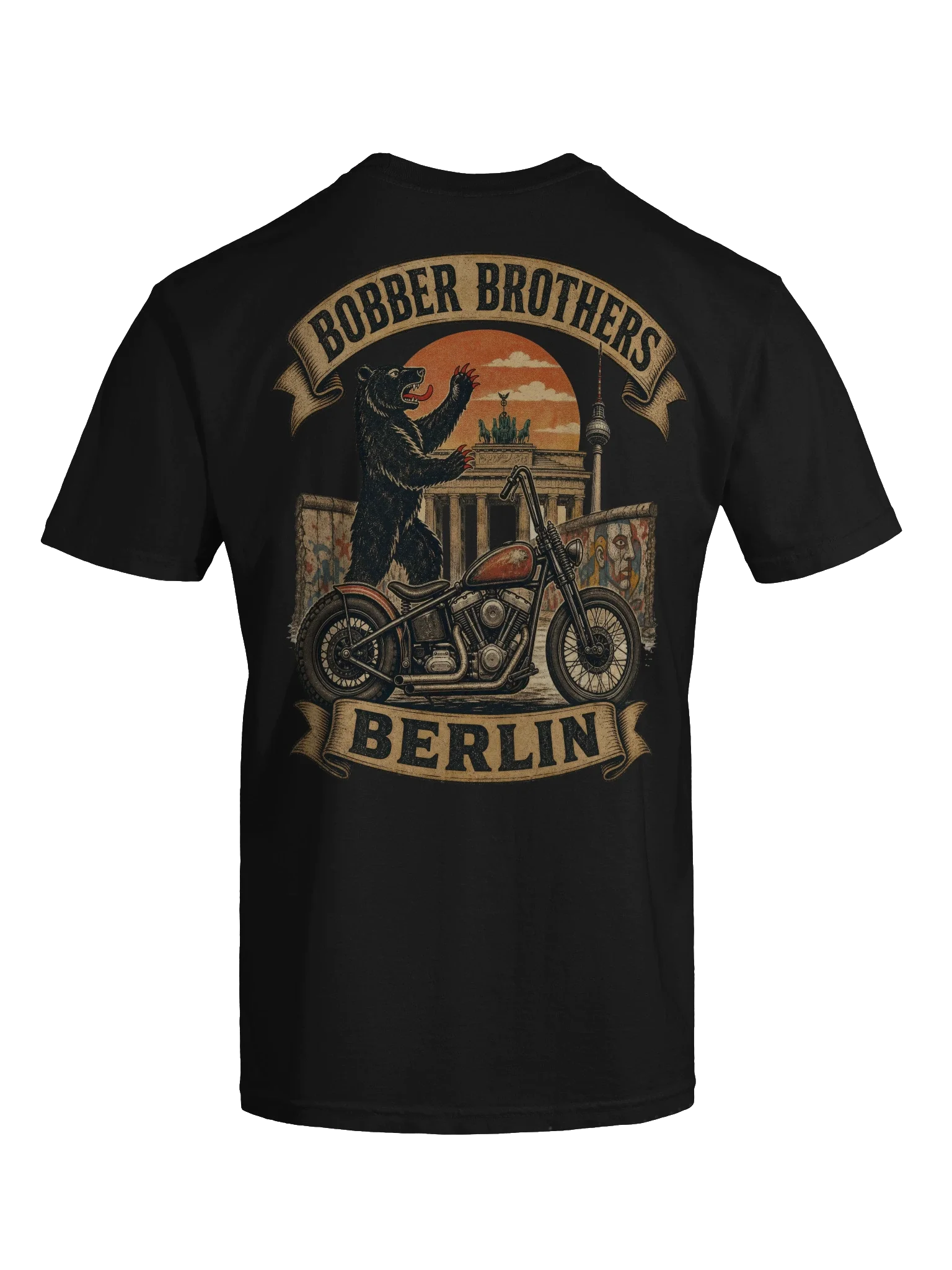
If you are the kind of rider who collects graphic tees from brands that actually build bikes, a rally is where your collection grows. Pack a compression sack or dry bag specifically for souvenirs - you will fill it.
The Essentials Everyone Forgets
After years of watching riders arrive at rallies unprepared, this is the list of things that get forgotten most:
Cash. Many vendors, food trucks, and parking lots are cash-only. ATM lines at Sturgis are 30 minutes long during peak days, and the fees are predatory. Withdraw at home. Bring more than you think you need. Experienced riders say “take half the clothes and double the money.”
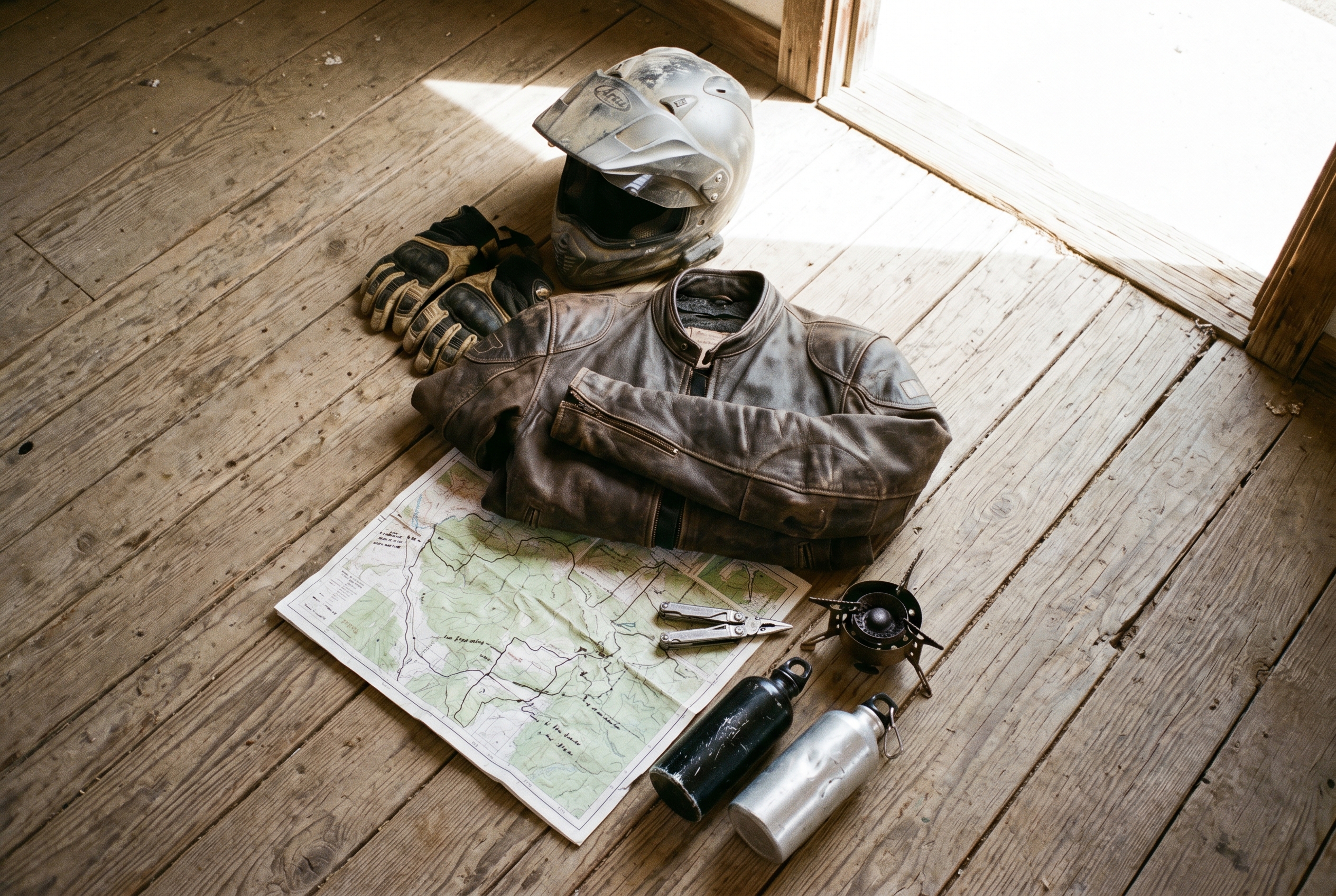
Earplugs. Two sets for two purposes. Foam earplugs for sleeping in campgrounds where the party does not stop at midnight. Filtered riding earplugs for highway wind noise, which exceeds 100 decibels and causes permanent hearing damage over time. This is the single most overlooked piece of rider safety gear.
Sunscreen. You are spending 8-to-10 hours a day in direct sun. Rally prices for sunscreen are three times what you would pay at a drugstore. Bring a bottle.
Paper map or downloaded offline maps. Cell networks collapse at major rallies. Half a million people on rural South Dakota cell towers means your phone becomes a camera and nothing else during peak hours. Arrange meeting spots with your group in advance. Download offline maps before you leave.
Hydration. A water bottle or hydration pack. Dehydration at summer rallies is common enough that medical tents stay busy all week. You are riding in direct sun, standing on hot asphalt, and walking vendor rows for hours. Drink water before you feel thirsty. Beer does not count.
Know Your Rally Before You Pack
Every major rally has a different character, and that character affects what you bring.
Sturgis (August, Black Hills, SD) - The big one. Ten days, 500,000-plus riders, a town of 7,000 that becomes a temporary city. Founded in 1938 by Clarence “Pappy” Hoel and the Jackpine Gypsies MC with just 19 riders. Pack for extreme temperature swings - Spearfish, South Dakota holds a world record for temperature change, and the canyon roads catch summer riders completely off guard with 30-degree drops. Afternoon thunderstorms roll through the Black Hills almost daily in August, and they hit hard. But the riding makes all of it worth it. Needles Highway, Iron Mountain Road through the pigtail bridges, and Spearfish Canyon are some of the best motorcycle roads in the country. First-timers at Sturgis often spend too much time on Main Street and not enough time in the hills - do not make that mistake. Bring a camera. Sturgis is as much about the Black Hills as it is about the rally.
Daytona Bike Week (late February/early March, Florida) - The warm-weather alternative. Around 500,000 attendees, beach access, the Daytona 200 race, and Main Street vendor rows. Pack lighter clothes but do not skip the rain gear - Florida springs are unpredictable. More accessible for first-timers than Sturgis.
Laconia Motorcycle Week (June, New Hampshire) - The oldest continuously running motorcycle rally in America, first held in 1916. Smaller, more riding-focused. The Kancamagus Highway through the White Mountains is some of the best scenic riding at any major rally. Pack for mountain weather - mornings can be cool even in June.
For more on what to expect at Texas rallies and Bikes, Blues and BBQ, we have covered those separately.
Camping vs. Hotel: The Eternal Debate
Camping puts you at the heart of the rally. Campgrounds like the Buffalo Chip and Glencoe at Sturgis are full-service rally venues - concerts, bars, vendors, and a community of riders living the event 24 hours a day. The trade-off is noise, weather exposure, and no plumbing at basic sites.
If you camp, add to your packing list:
- Compact tent that fits inside your campsite perimeter
- Sleeping bag (down compresses best for motorcycle packing)
- Self-inflating sleeping pad
- Headlamp
- Camp chair (the collapsible kind that straps to a saddlebag)
- A koozie for the post-ride drink - a genuine campground essential
Hotels give you sleep, climate control, and a shower. The cost is surge pricing (5 to 10 times normal during rally week) and the fact that good rooms book 6 to 12 months in advance. Off-site options in Rapid City or Deadwood are cheaper but add a commute.
No wrong answer here. Camping is the full immersion. Hotel is the full night’s sleep. What you value determines the call.
Patch Culture and Rally Etiquette
If this is your first rally, a few things that nobody puts in a packing guide but everyone should know:
Rally patches and pins are for anyone. Buying an event patch and adding it to your vest is expected and encouraged. Your vest becomes a living record of where you have been - after ten years of rallies, it tells your whole riding story.
Three-piece MC patches (top rocker, center logo, bottom rocker claiming territory) are earned, not bought. Do not wear one you did not earn. This is not a suggestion.
Start conversations. Rallies are built on strangers talking to each other about bikes. The guy next to you at the gas pump probably has a story worth hearing. The culture is social by design.
Respect the noise. Do not fire up your straight pipes at 6 AM in a campground. Save the revving for the open road.
For more on the motorcycle culture that gives rallies their meaning, and the history behind biker patches, we have written about both in depth.
The Short Version
Bring: Tools, rain gear, layers, cash, earplugs, sunscreen, offline maps, half the clothes you think you need.
Buy there: Rally tees, patches, pins, one-of-a-kind vendor gear.
Do not forget: Pre-trip bike service, spare key, water, and room in your bags for everything you are going to bring home.
A rally is not a vacation. It is a pilgrimage. Pack like a rider, not a tourist, and the road will take care of the rest.
Sources
- Cycle World - Beginner’s Guide to the Sturgis Motorcycle Rally - Comprehensive first-timer guide covering riding routes, culture, and what to expect at Sturgis.
- RevZilla Common Tread - Motorcycle Camping: The Basics - Gear-focused guide to motorcycle camping, covering tent selection, luggage, electronics, and weight management.
- Motorcyclist - How and What to Pack for a Motorcycle Trip - Practical packing strategy for motorcycle travel, including weight distribution and layering approach.
- Harley-Davidson Insurance - Sturgis Motorcycle Rally Guide - Rally dates, weather preparation, layering tips, and logistical planning from Harley-Davidson’s official insurance resource.