

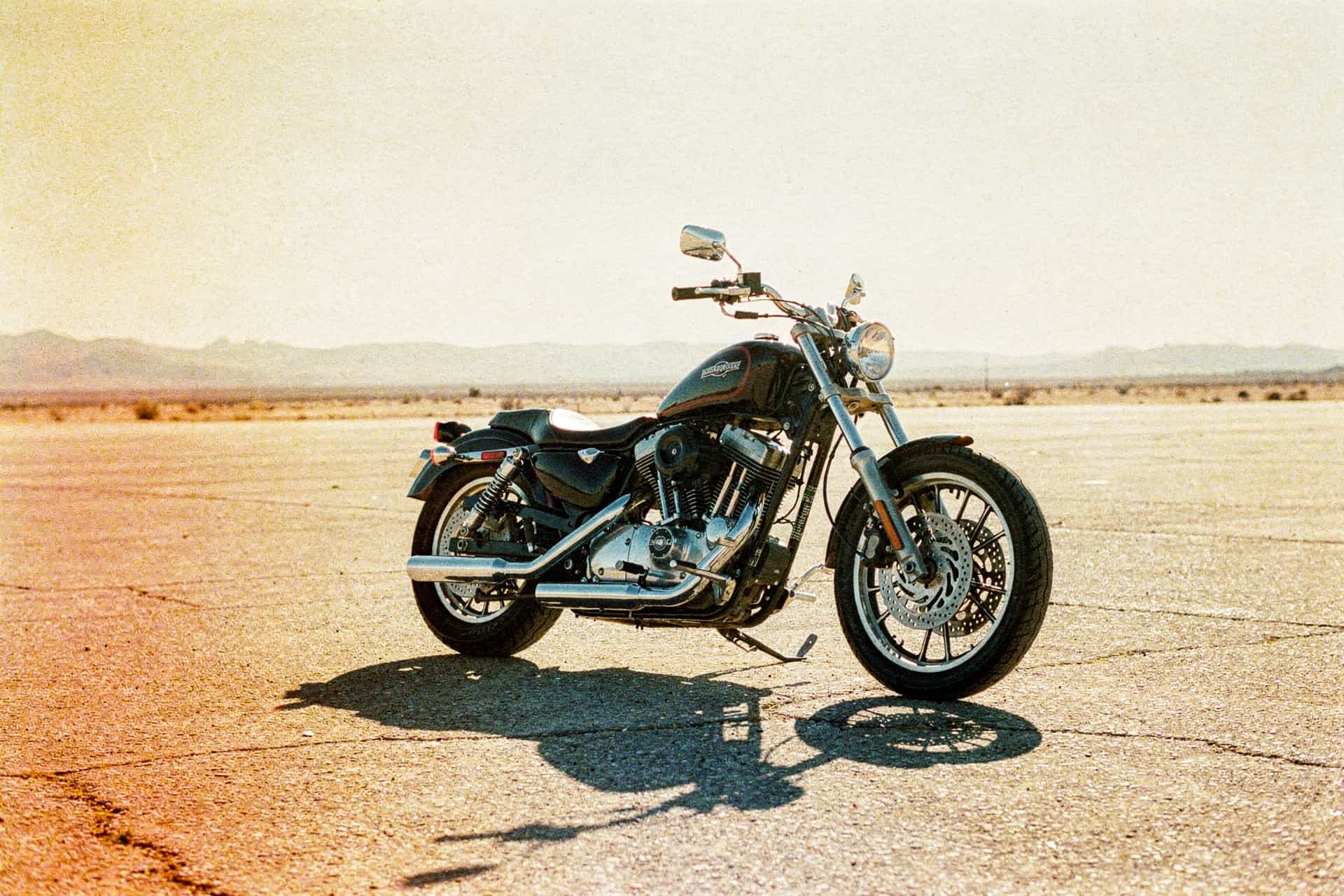
Decode the Model Code First
Every Low Rider question starts here, because the prefix tells you the chassis, and the chassis tells you almost everything else.
| Code | Years | Chassis | Engine at launch | What it means for you |
|---|---|---|---|---|
| FXS | 1977 to 1985 | FX | Shovelhead 74ci | The original factory custom, first FX with cast wheels. Collector territory |
| FXRS | 1983 to 1994 | FXR, rubber-mounted | Evolution 80ci | The best-handling of the old platforms and the enthusiast favourite |
| FXDL | 1993 to 2017 | Dyna | Evolution 80ci, later Twin Cam | The working rider’s Low Rider. Cheap entry to a Big Twin |
| FXDLS | 2016 to 2017 | Dyna | Screamin’ Eagle Twin Cam 110 | Two model years only. Clean examples trade above original MSRP |
| FXLR | 2018 onward | Softail | Milwaukee-Eight 107 | The chassis consolidation year. Lighter than the Dyna it replaced |
| FXLRS | 2020 onward | Softail | Milwaukee-Eight 114 | Inverted forks, mini fairing. The current default recommendation |
| FXLRST | 2022 onward | Softail | Milwaukee-Eight 117 | Frame-mounted fairing and hard bags. The factory club-style bike |
There is also a gap worth knowing about: the Low Rider name left the catalog between 2010 and 2013 and returned for 2014. If you are looking at a bike from those years, it is a Street Bob or something else wearing the wrong badge.
The Parking Lot That Started Everything
The story as it is usually told has Willie G. Davidson walking through the Harley factory parking lot sometime around 1976, looking at what his own employees were doing to their personal bikes. They were slamming the suspension. Pulling off windshields. Bolting on drag bars. Building low, aggressive street machines out of stock FX Super Glides.
Willie G. didn’t write a memo about it. He went back to the styling department and built a production motorcycle around what he’d seen. He took the FX platform, dropped the suspension, added a 27-inch seat, threw on cast aluminum wheels - a first for any Harley FX model - and gave it a two-tone Metallic Gray and Black paint job with gold pinstripes. The FXS Low Rider debuted at Daytona in 1977.
Harley sold every single one they made that first year. By 1978, the Low Rider was one of the company’s best-selling models.
Nearly fifty years later, the nameplate is still in the catalog. It has survived engine swaps, chassis redesigns, corporate ownership changes, and three complete platform migrations. In the full Harley-Davidson history, few nameplates have that kind of staying power. Here is every generation, from the Shovelhead to the Milwaukee-Eight.
The Original FXS Low Rider (1977-1985)
The first-generation Low Rider rode on Harley’s FX platform - the “Factory Experimental” chassis that combined Big Twin engine cases with the lighter Sportster front end. The name told you what it was: a bike that sat closer to the ground than anything else in the lineup.
1977: The Launch
- Engine: Shovelhead, 74 cubic inches (1,208cc)
- Frame: FX rigid-mount Big Twin
- Steering head angle: 32 degrees
- Exhaust: Two-into-one
- Seat height: Approximately 27 inches
- Wheels: Cast aluminum mag-style (first on an FX model)
- Signature: Two-tone Metallic Gray and Black with gold pinstripes
The cast wheels were significant. Every FX before the Low Rider ran spoked wheels. The mag-style castings on the Low Rider gave it a cleaner, more modern look that connected with the late-1970s California custom scene where choppers were evolving into sleeker, more rideable machines. Drag-style handlebars and an optional bikini fairing completed the package.
Willie G. read the parking lot right. The Low Rider tapped into something real - riders who wanted a factory bike that looked and felt like it had been modified, without having to modify it themselves.
1978-1979: The Formula Works
The FXS carried over with minor refinements - updated seat, new graphics, small comfort improvements. The Low Rider became one of Harley’s biggest sellers in its first full production year. The formula was working.
1980: The FXB Sturgis
Harley introduced the FXB Sturgis in 1980 - a Low Rider variant with dual belt drive (both primary and final drive running Gates Kevlar belts instead of chains). Limited production, now a collector piece. But it signaled Harley’s move toward belt final drive, which would eventually become standard across the entire lineup.
1982-1985: End of the Shovelhead Era
The Shovelhead powered the Low Rider through 1984, when the Evolution engine arrived. The last Shovelhead Low Riders are prized by collectors - rough, characterful engines in a bike that still looks right parked outside a roadhouse at 2 AM. If you find one with matching numbers and a clean title, you’ve got something worth keeping.
FXR-Era Low Riders (1983-1994)
In 1982, Harley introduced the FXR chassis. It was a leap. Rubber engine mounts isolated the rider from vibration. The backbone frame was stronger and stiffer. Suspension geometry was improved across the board. Most riders and mechanics agree: the FXR was the best-handling chassis Harley had built up to that point.
FXRS Low Rider
The FXR-era Low Rider carried the FXRS designation and rode on the rubber-mounted FXR frame with the new Evolution engine.
- Engine: Evolution 80 cubic inches (1,340cc)
- Transmission: 5-speed
- Frame: FXR rubber-mounted
- Final drive: Belt (after early chain-drive models)
The Evo motor was leagues more reliable than the Shovelhead. It didn’t leak oil like a lawn sprinkler. It started in cold weather. It made decent power and could run for 100,000 miles without a major overhaul if maintained. Combined with the FXR’s handling, the FXRS Low Rider was a genuinely capable motorcycle - not just a looker.
FXRS-SP Low Rider Sport
The Sport version added dual front disc brakes, a sportier suspension setup, and a bikini fairing. It developed a passionate following among riders who valued the combination of Big Twin torque and competent handling. The Low Rider Sport was the bike you took through the canyons, not just to the bar.
FXRS-CONV Low Rider Convertible
Harley also offered the FXRS-CONV - a Low Rider with quickly detachable saddlebags and windshield. Strip it down for Saturday night. Load it up for a weekend trip. It was practical in a way most cruisers weren’t.
The FXR platform was discontinued after 1994 (with brief encore runs as limited-edition FXR2/3/4 models in 1999-2000). FXR-era Low Riders are among the most collectible modern Harleys. The rubber-mounted chassis and bulletproof Evo engine created a bike that was genuinely ahead of its time. Clean examples command serious money - and the guys who own them know it.
Dyna Low Riders (1993-2017)
FXDL: The Everyday Low Rider
The Dyna platform debuted in 1991, and the Low Rider nameplate migrated over as the FXDL in 1993. The Dyna used a different rubber-mounting approach - a two-point system that isolated the engine while the frame used a more traditional twin-downtube design.
- Engine (1993): Evolution 80ci (1,340cc)
- Engine (1999): Twin Cam 88 (88ci / 1,449cc)
- Engine (2007): Twin Cam 96 (96ci / 1,558cc)
- Engine (2014): Twin Cam 103 (103ci / 1,690cc)
- Transmission: 5-speed (early), 6-speed (Twin Cam 96 onward)
- Seat height: Approximately 25.5-26.5 inches depending on year
The Dyna Low Rider was the working rider’s Harley. Affordable entry into the Big Twin lineup. Reliable. Straightforward to maintain. It didn’t match the FXR’s handling reputation, but it was lighter, simpler, and perfectly adequate for what most riders actually do - commuting, weekend cruising, and the occasional trip.
Key Dyna Low Rider Milestones
1993: First year FXDL. Evo 80ci.
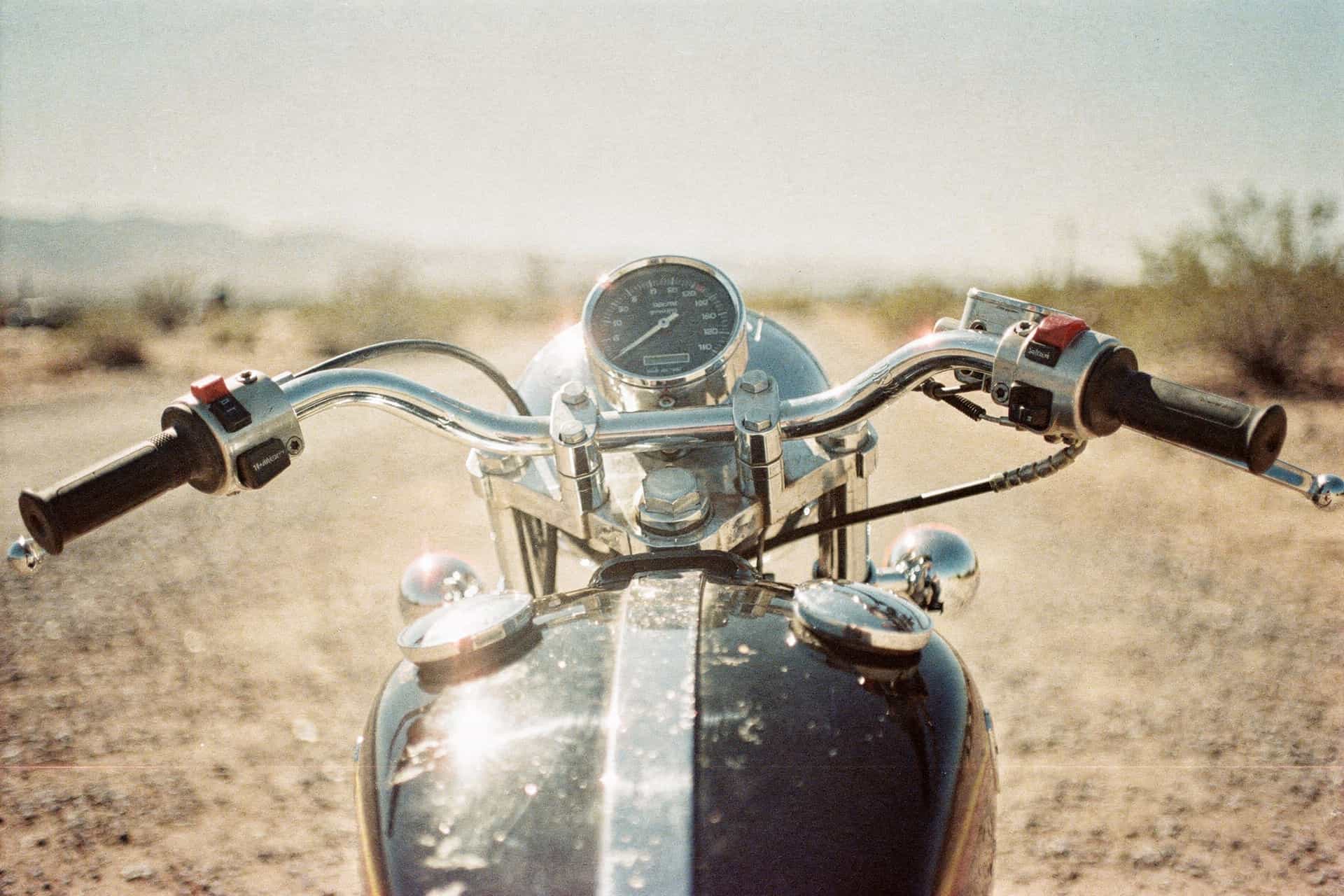
1999: Twin Cam 88 replaces the Evolution. More displacement, more power, same basic format.
2004: Fuel injection added across the lineup.
2010-2013: The Low Rider was temporarily discontinued, replaced in the catalog by the Street Bob (FXDB). Similar market - stripped-down urban cruiser - but a different bike.
2014: The FXDL returned after a four-year absence. Twin Cam 103, 6-speed transmission, mid-mount controls, dual gauges mounted to the riser clamp. The return was met with genuine enthusiasm from riders who’d missed the nameplate.
2017: Final year of the Dyna platform. Harley announced that the entire Dyna line would be consolidated into the new Softail chassis for 2018.
The Death of the Dyna
The 2018 consolidation is still the sorest subject in the Low Rider story. Dyna loyalists value the platform’s lighter weight, the mid-control ergonomics, and the way twin-shock rear suspension deals with imperfect road surfaces. Merging everything into the Softail chassis removed all three at once.
The argument has not settled. Dyna riders say the Softail does not feel the same, which is a claim about feel and cannot be measured. Softail riders point to the stiffer frame and the newer engine, which can be. Both positions are internally consistent, and which one matters depends entirely on what you want from the bike.
The Low Rider S: Dyna’s Last Stand (2016-2017)
In mid-2016, Harley dropped the FXDLS Low Rider S and immediately created one of the most talked-about Harleys in years.
The formula was simple: take the Dyna platform, stuff in the biggest engine available, and strip away everything that wasn’t about going fast and looking aggressive.
- Engine: Screamin’ Eagle Twin Cam 110 (110ci / 1,801cc) - the CVO-spec motor, making approximately 115 lb-ft of torque
- Suspension: Upgraded 49mm cartridge forks, premium rear shocks
- Brakes: Dual front discs, cruise control standard
- Exhaust: 2-into-2 shorty duals
- Finish: All-black - blacked-out engine, dark wheels, minimal chrome
- Controls: Mid-mount (not forward)
- Fairing: Quarter fairing with dual headlight pod
The 110ci engine in the Dyna chassis was a revelation. The bike pulled like something much more expensive, handled better than any 650-pound cruiser should, and the mid-mount controls gave you leverage for genuinely aggressive riding. This wasn’t a poseur’s bike. It was fast and it knew it.
Two model years on the Dyna platform. That’s all the Low Rider S got before the chassis switch. Clean Dyna-era FXDLS models now sell above their original MSRP. The riders who bought them knew what they had.
Softail Low Riders (2018-Present)
FXLR Low Rider (2018)
When Harley consolidated Dyna and Softail in 2018, the Low Rider migrated to the new Softail chassis as the FXLR. The new frame used a single-shock rear suspension hidden beneath the transmission - maintaining the hardtail look with modern damping.
- Engine: Milwaukee-Eight 107 (107ci / 1,746cc)
- Frame: New Softail (30% stiffer, 22 fewer welds than the old Softail)
- Weight: Approximately 655 pounds wet - about 30 pounds lighter than the outgoing Dyna Low Rider
- Transmission: 6-speed Cruise Drive
- Seat height: 26.8 inches
- Controls: Mid-mount
The Milwaukee-Eight 107 was a genuine step forward. Four valves per cylinder instead of two. Dual counterbalancers for smoother cruising. Oil-cooled heads. More torque than the Twin Cam 103 it replaced, and it breathed better at every RPM.
FXLRS Low Rider S (2020-Present)
Harley brought the S model back on the Softail platform in 2020.
- Engine: Milwaukee-Eight 114 (114ci / 1,868cc), approximately 119 lb-ft of torque
- Suspension: 43mm inverted front fork, rear monoshock with preload adjustment
- Exhaust: 2-into-2 offset shotgun
- Finish: Vivid Black, blacked-out engine, minimal chrome
- Fairing: Mini fairing with integrated gauges
- MSRP: $16,999-$17,999 depending on year
The FXLRS is, by most published accounts, the strongest factory Low Rider yet. The 114ci Milwaukee-Eight has real power, the Softail chassis is predictable, and the blacked-out finish reads right without overselling. For most riders shopping the current lineup, this is the one.
FXLRST Low Rider ST (2022-Present)
In 2022, Harley expanded the family with the FXLRST Low Rider ST - “Sport Touring.” This is the bike the club-style Dyna crowd had been building for themselves, and Harley finally built it from the factory.
- Engine: Milwaukee-Eight 117 (117ci / 1,923cc) - the biggest displacement production Milwaukee-Eight
- Fairing: Full frame-mounted Sport Glide-derived fairing
- Bags: Rigid saddlebags, 1.9-gallon capacity each
- Weight: Approximately 707 pounds wet
- MSRP: $21,999-$23,999
- Peak torque: Around 125 lb-ft
The Low Rider ST is Harley’s acknowledgment that the riders who bolt fairings and bags onto stripped-down Dynas represent a real market. Instead of making people build it themselves, Harley built it factory-correct with a warranty. The 117ci engine is the biggest in the family, and the bike covers distance without giving up the aggressive stance.
MSRP figures in this article are US list prices at the model years noted and move every year. Check current pricing with a dealer rather than treating these as live numbers.
What the Low Rider Has Always Been
Across every generation - from the Shovelhead FXS to the Milwaukee-Eight FXLRST - the Low Rider has been the same thing at its core: the Harley that puts the rider first. Not the passenger. Not the luggage capacity. Not the infotainment system. The rider.
Low seat. Aggressive stance. Engine forward. Bars up. Feet out. No apologies.
Willie G. saw it in a parking lot in 1976. Riders are still buying it in 2026. That’s not brand loyalty - that’s a bike that earns its spot in the garage every time you throw a leg over it.
If you are shopping, the FXLRS is the sweet spot: enough power to surprise your riding partners, enough style to hold its own in any parking lot, and a chassis that handles. The Low Rider ST is the move if you want to cover real miles without giving up the attitude. If you want the older character and are willing to maintain it, the FXR-era FXRS is the enthusiast pick, and the FXDLS is the one Dyna riders regret selling.
For the technical side of the engines that powered each generation, the 96 cubic inch motor guide and the Evolution engine history cover the mechanical story. The Cross Bones is another short-lived Softail with its own cult following. And if you’re building a custom bobber on any of these platforms, you already know the Low Rider makes a solid starting point.
Whatever generation you ride, gear up for the road. We build for riders who get it.
Sources
- 1977 Harley-Davidson FXS Low Rider - National Motorcycle Museum history of the original FXS Low Rider
- Harley-Davidson Low Rider Model Evolution - Autoevolution model-by-model specs across all Low Rider generations
- 2022 Harley-Davidson Low Rider ST First Look - Ultimate Motorcycling Low Rider ST specifications and review
- 2016 Harley-Davidson Low Rider S First Ride Review - Rider Magazine FXDLS Dyna Low Rider S specifications and review