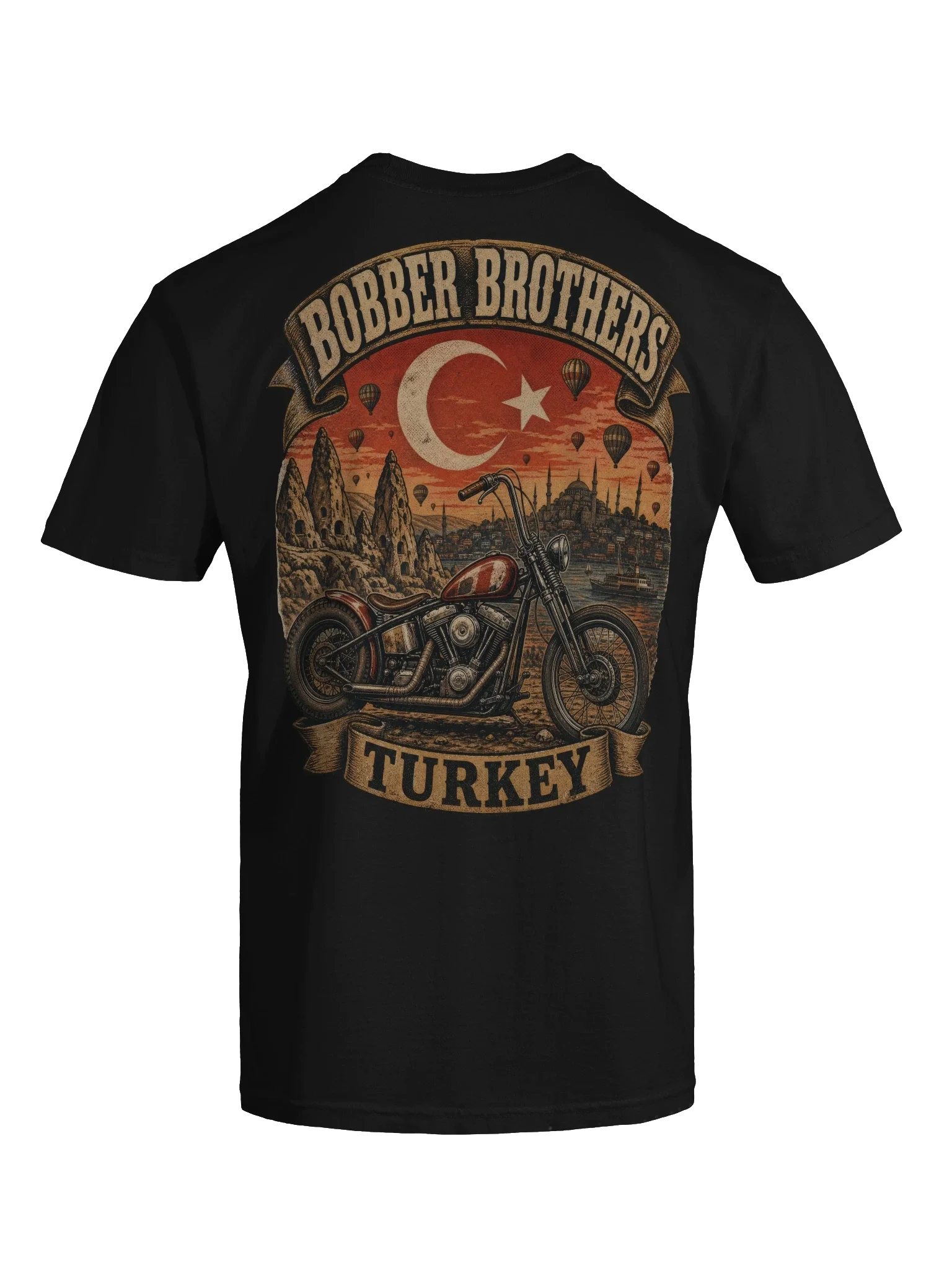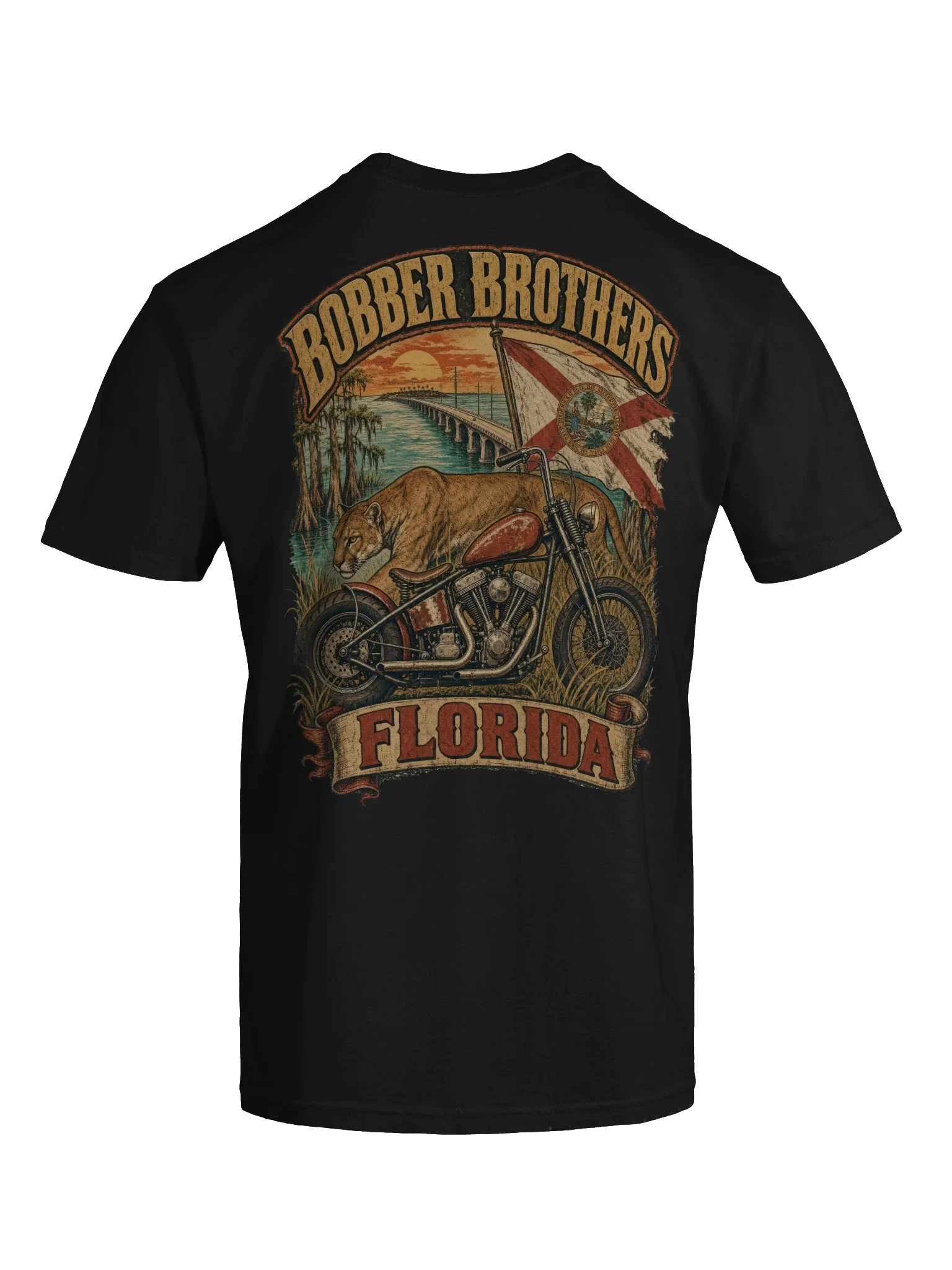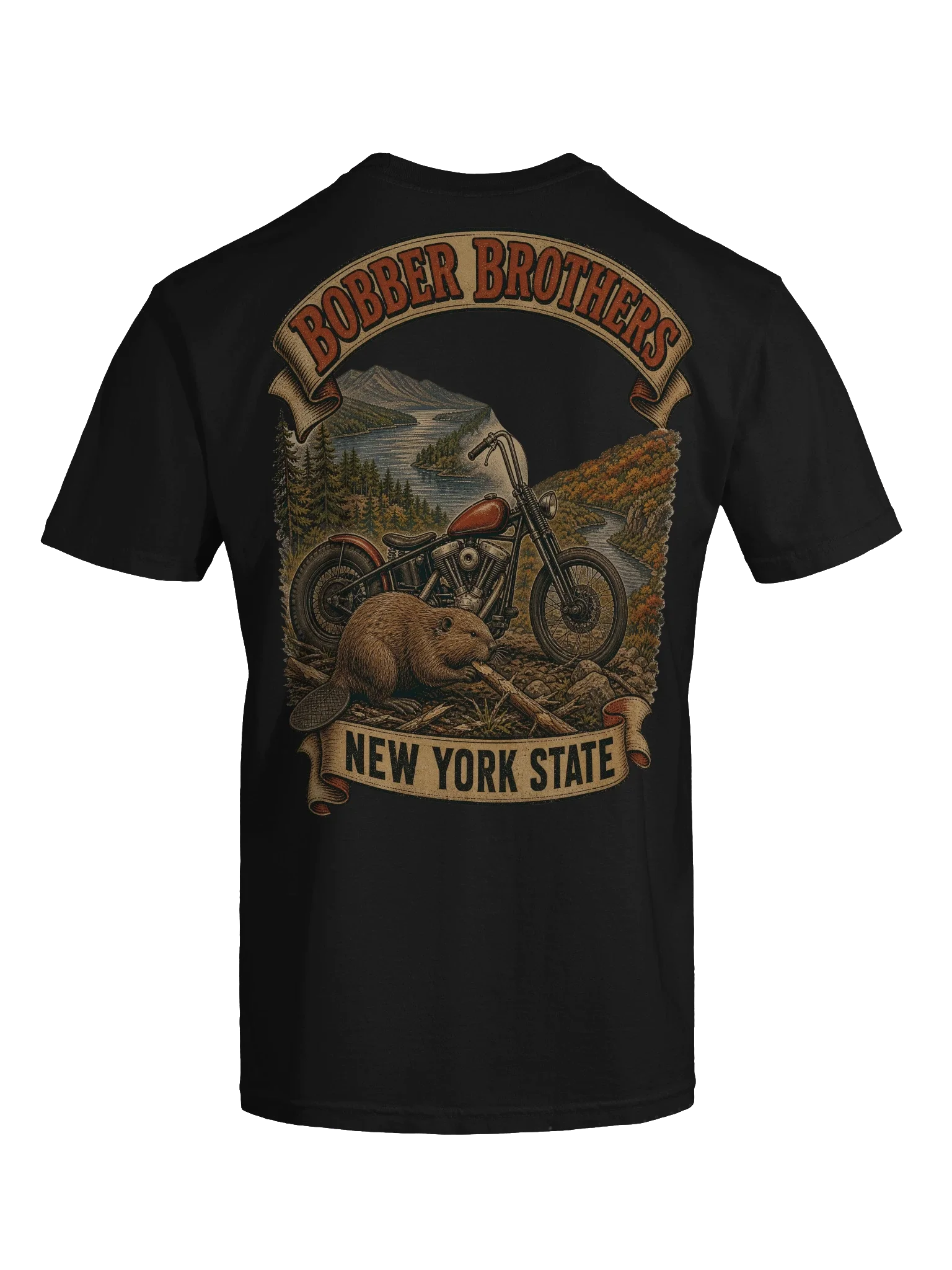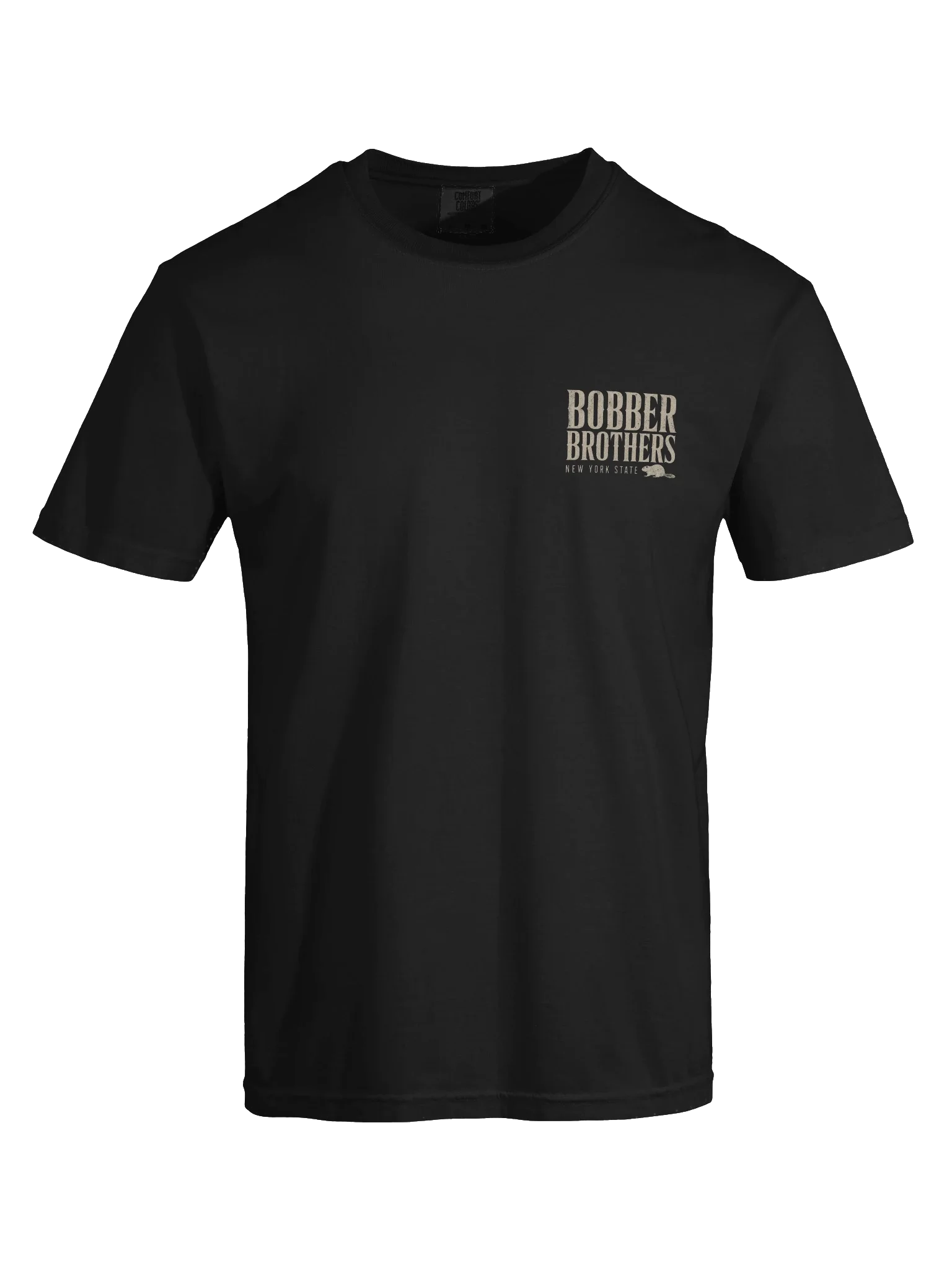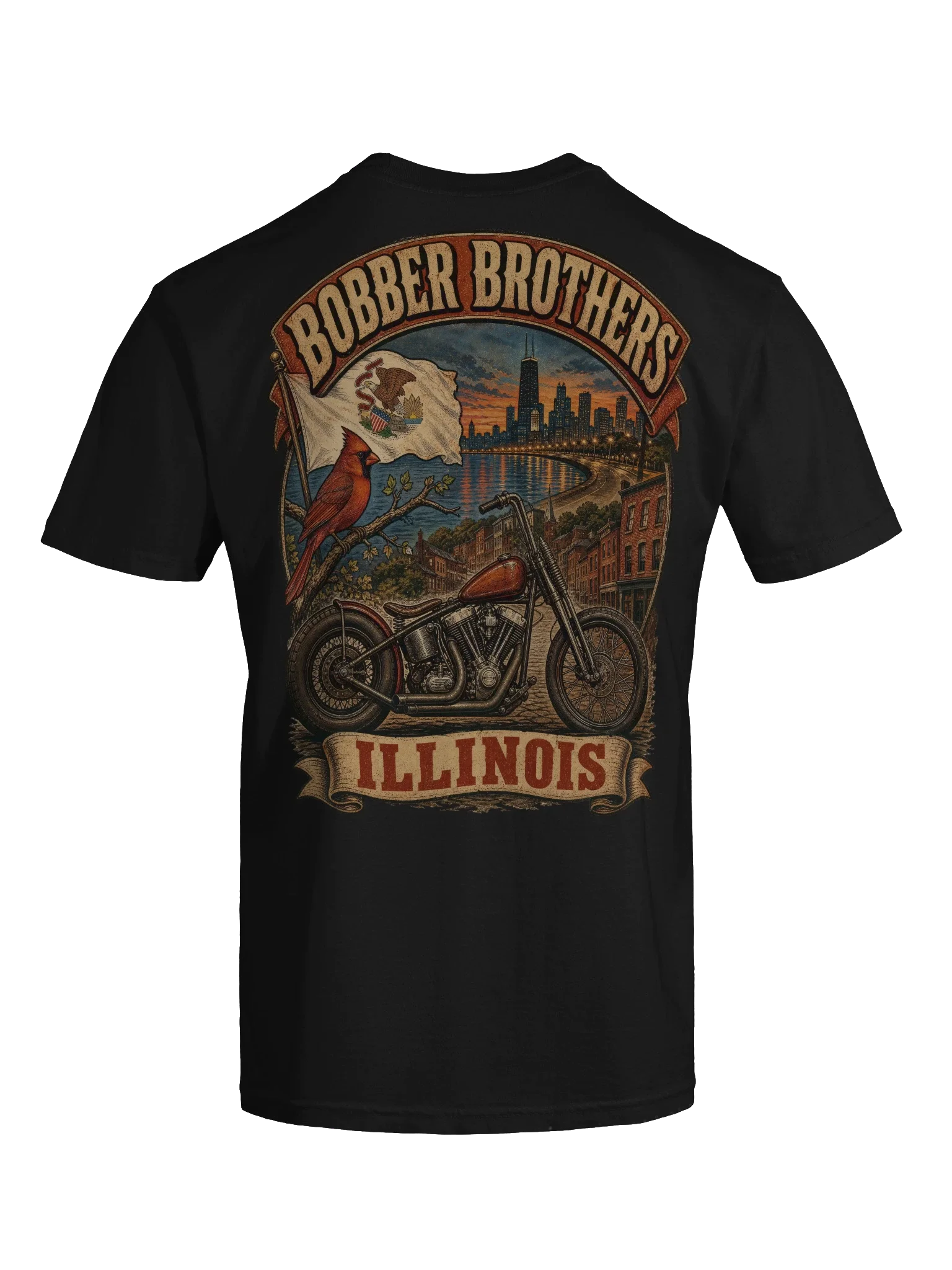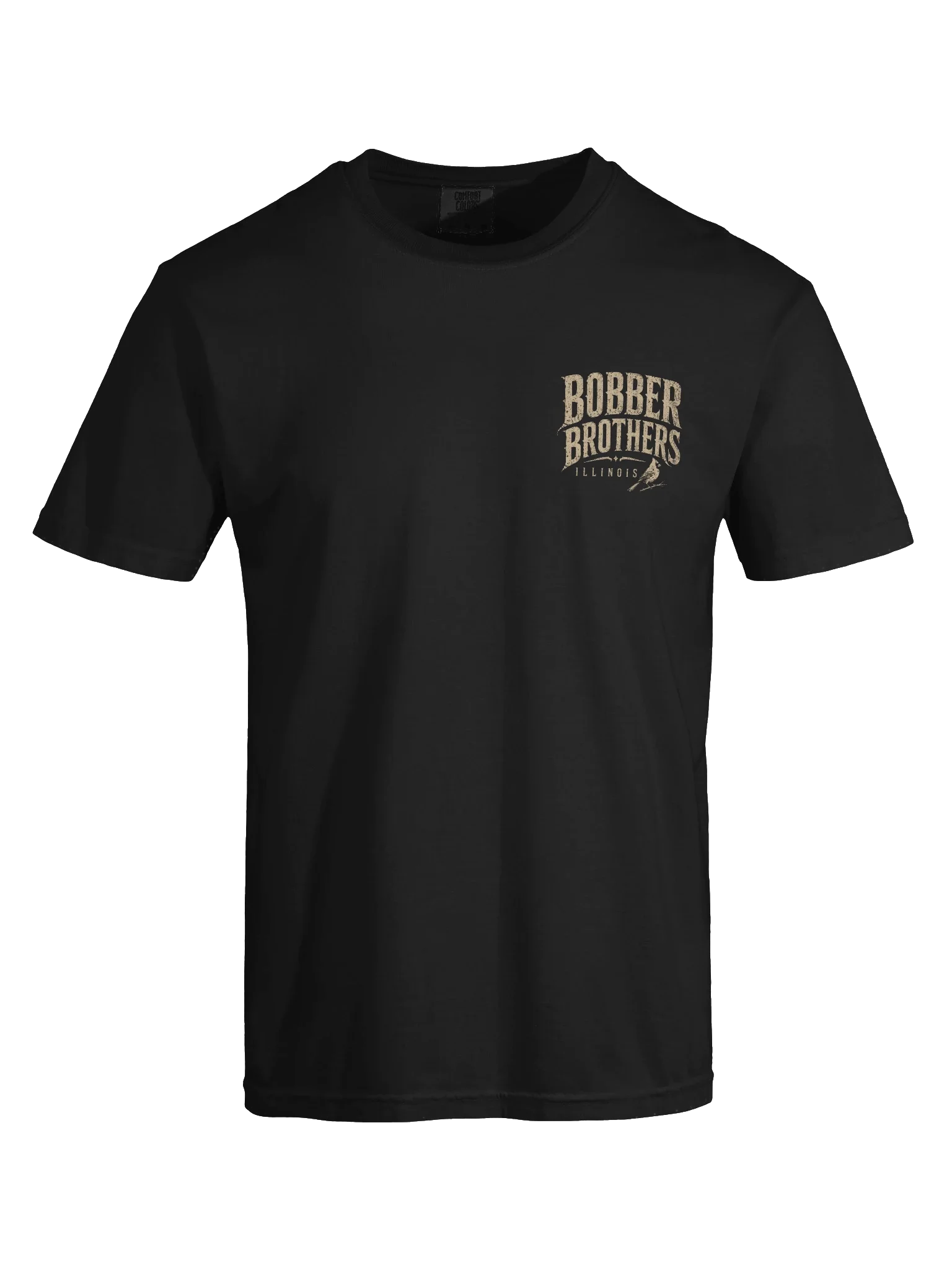
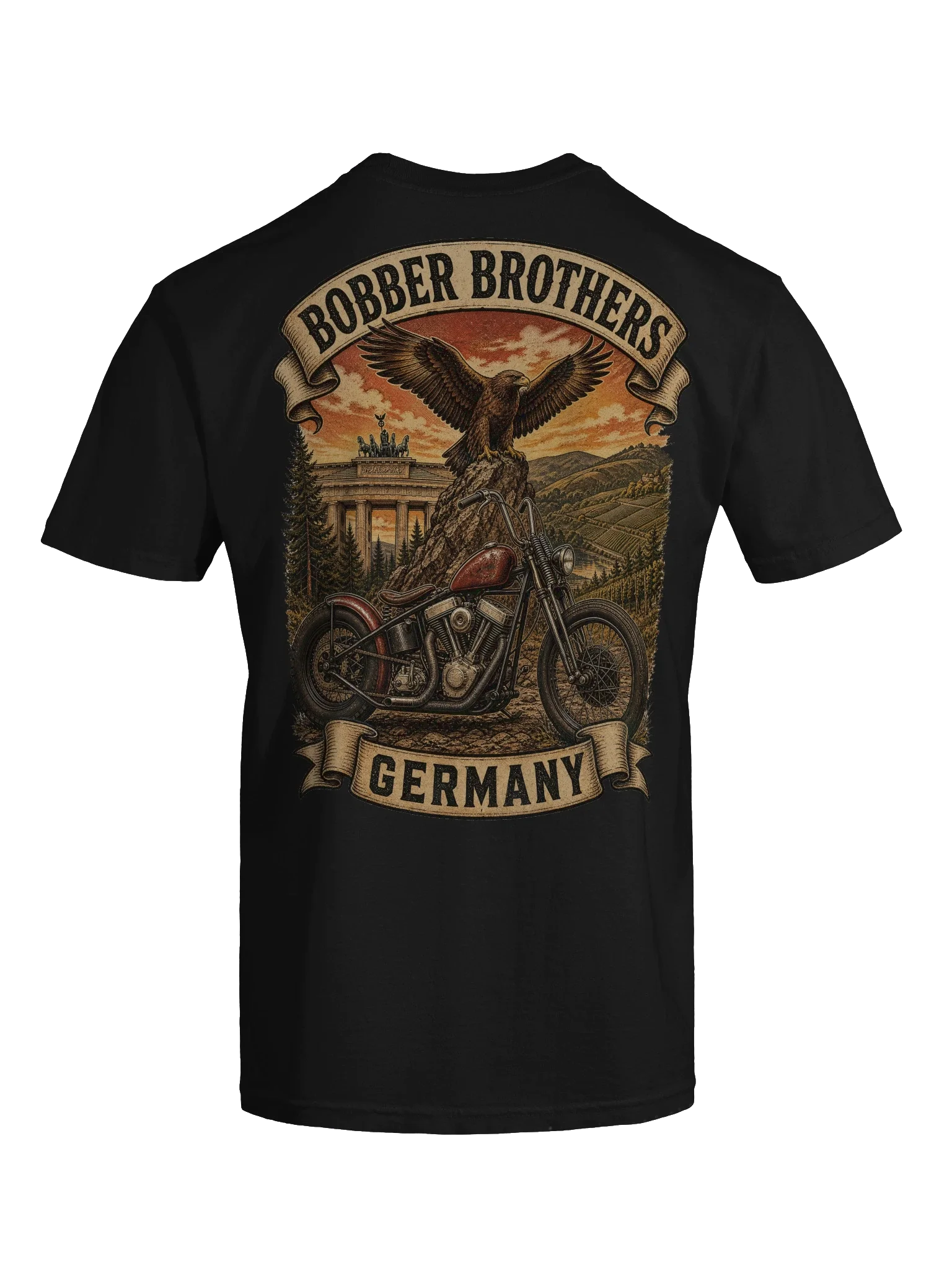
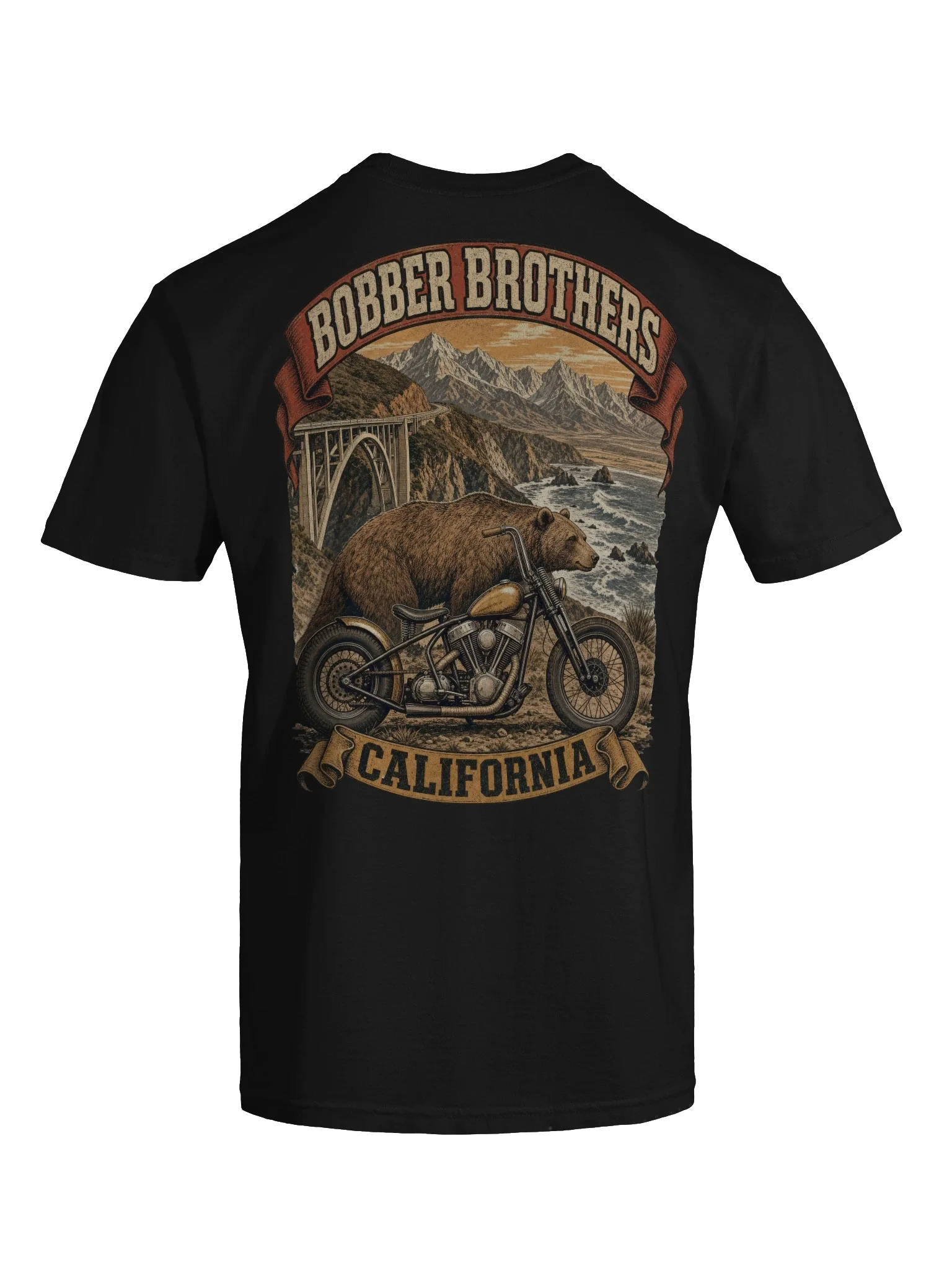
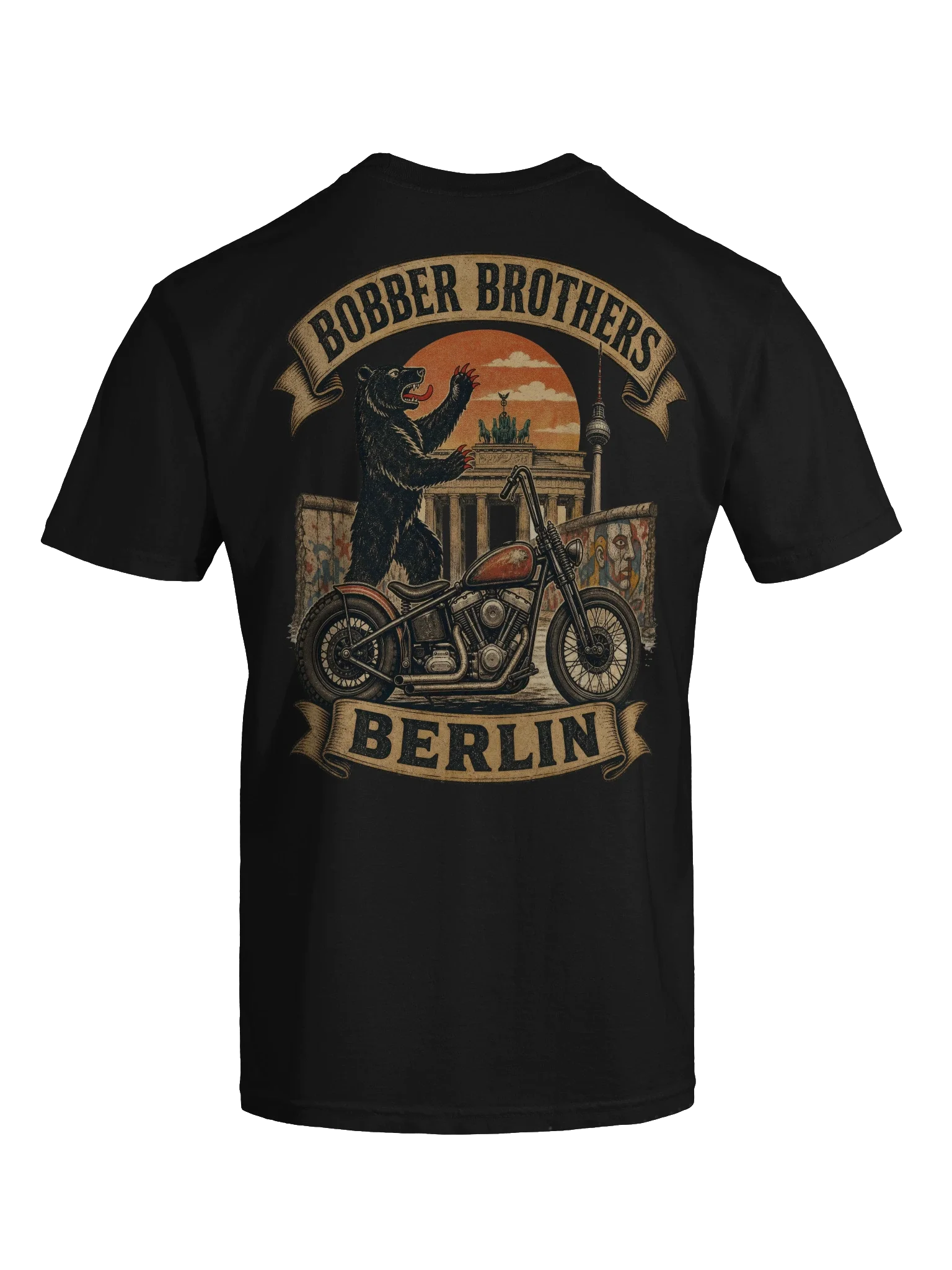
A Greasy Black Tee and a Set of Open Headers
There is a photograph from the 1947 Hollister rally that most riders have seen - a guy slumped on a Harley, beer bottles scattered around him, looking like the end of a three-day bender. That image kicked off decades of outlaw mythology. But what nobody talks about is how that basic undershirt evolved into one of the most powerful identity markers in motorcycle culture.
A biker shirt is not clothing. It is a statement. It tells the world what you ride, who you ride with, what you believe, and whether you built your machine or bought it off a showroom floor. The graphic tee became the flag of motorcycle culture long before brands tried to commercialize it - and understanding that history matters if you want to wear one that actually means something.
This is the full breakdown: where motorcycle t-shirts came from, what separates a quality biker tee from gas station junk, how printing methods affect durability, and what to look for when you are spending your money.
How the Motorcycle T-Shirt Became a Cultural Weapon
The t-shirt itself started as military underwear. The U.S. Navy issued crew-neck cotton undershirts as standard uniform in the early 1900s, and by World War II, soldiers wore them as standalone garments in the Pacific heat. When those veterans came home and started riding surplus Harleys and Indians, the t-shirt came with them.
Through the 1950s and 1960s, motorcycle clubs began screen-printing their names and insignia onto basic cotton tees. This was practical - not every member could afford an embroidered vest right away, and a printed shirt was a cheap way to represent. The Hells Angels were among the first clubs to widely distribute printed t-shirts bearing their death’s-head logo, turning a garment into a territorial marker (Thompson, Hell’s Angels: The Strange and Terrible Saga of the Outlaw Motorcycle Gangs, 1966).
By the time Easy Rider hit theaters in 1969, the biker tee was embedded in counterculture. Peter Fonda and Dennis Hopper did not need logos - their leather and denim said enough. But the riders watching that film in theaters went home and bought shirts that declared their allegiance to the lifestyle. Rally vendors at Sturgis and Daytona started selling graphic tees by the thousands. The motorcycle t-shirt industry was born.
The 1970s and 1980s turned biker graphic tees into an art form. Shops like Ed “Big Daddy” Roth’s studio in Southern California pushed the visual language - flaming skulls, iron crosses, winged engines, and slogans that polite society found offensive. That was the point. A biker shirt was not supposed to make your neighbor comfortable. It was supposed to make them cross the street.
What Makes a Biker T-Shirt Different from a Regular Tee
Walk into any tourist shop near a rally and you will find racks of motorcycle shirts printed on tissue-thin blanks that will fall apart in three washes. The difference between those and a shirt a rider actually wants to wear comes down to three things: fabric weight, construction, and print quality.
Fabric Weight
T-shirt fabric is measured in grams per square meter (GSM) or ounces per square yard. Here is what the numbers mean for riders:
- Under 140 GSM (under 4 oz): Lightweight, semi-transparent. Fine for a beach day. Terrible for riding. Wind cuts through it, and the fabric pills after a few washes.
- 140-180 GSM (4-5.3 oz): Midweight. This is where most decent biker tees land. Heavy enough to hold up, light enough for summer rides. A 5 oz cotton tee is the workhorse of the motorcycle world.
- 180-220 GSM (5.3-6.5 oz): Heavyweight. Thicker hand feel, more structured drape. These hold their shape ride after ride. If you are buying a shirt you plan to wear every weekend for the next five years, this is the range.
- Over 220 GSM (over 6.5 oz): Ultra-heavyweight. Almost sweatshirt territory. Some riders love these for cooler weather layering, but they can feel stiff until broken in.
The sweet spot for most motorcycle shirts sits between 5 and 6 ounces. Heavy enough that the wind does not plaster the shirt to your chest at 70 mph, light enough that you are not soaking through it at a July rally.
Cotton vs. Blends
100% combed ringspun cotton remains the gold standard for biker tees. Ringspun cotton is made by continuously twisting and thinning the cotton strands, producing a finer, stronger yarn than open-end (carded) cotton. The result is a softer fabric that holds printed graphics better and resists pilling longer (Kadolph, Textiles, 11th Edition, 2010).
Cotton-polyester blends (often called “tri-blends” when rayon is added) are lighter and more moisture-wicking, which sounds great until you realize they do not hold screen-printed ink as well and tend to develop a worn-out look faster. For a graphic biker tee that needs to keep its visual punch, 100% cotton is the move.
Construction Details That Matter
Beyond fabric, look at:
- Double-stitched hems on the sleeves and bottom. Single-stitch hems unravel. Period.
- Shoulder-to-shoulder tape inside the collar to prevent stretching. A shirt that loses its neck shape after two wears is garbage.
- Tubular vs. side-seamed cut. Tubular knit shirts (no side seams) are cheaper to produce but twist on the body over time. Side-seamed shirts hold their shape and drape correctly.
- Pre-shrunk treatment. Any shirt worth buying should be pre-shrunk. If the tag does not say it, assume it will lose half a size in the dryer.
Screen Printing vs. DTG vs. Vinyl: What Holds Up on the Road
The graphic on a biker shirt matters as much as the fabric under it. Here is what you are actually getting with each printing method.
Screen Printing
Screen printing pushes ink through a mesh stencil directly onto the fabric. It has been the standard for motorcycle tees since the 1960s, and for good reason - plastisol ink (the thick, opaque ink used in most screen printing) bonds to cotton fibers and lasts hundreds of washes without significant fading.
The catch: screen printing requires a separate screen for each color, which makes it cost-effective for large runs but expensive for small batches. A six-color design on a single screen-printed shirt means six screens, six passes, and six opportunities for misregistration. Good printers nail it. Bad ones give you blurry skulls.
For biker tees, screen printing is still king. The ink sits on top of the fabric with a slightly raised texture you can feel with your fingernail. That tactile quality is part of the identity - a screen-printed biker tee feels different from a digitally printed one, and experienced riders notice.
Direct-to-Garment (DTG)
DTG printing uses modified inkjet technology to spray water-based ink directly into the fabric. It produces photographic-quality detail and handles complex, multi-color designs without the per-screen cost of traditional printing. The ink soaks into the fibers rather than sitting on top, giving DTG prints a softer hand feel.
The tradeoff is durability. Water-based DTG inks fade faster than plastisol screen printing, especially with repeated washing and sun exposure. For a shirt you wear to bike night once a month, DTG is fine. For a daily rider shirt, screen printing still wins on longevity.
DTG also struggles on dark fabrics. Printing white ink as a base layer on a black shirt adds cost and can create a slightly rubbery feel - ironic, since black is the default color for most motorcycle shirts.
Heat Transfer Vinyl (HTV) and Sublimation
Heat transfer vinyl involves cutting designs from vinyl sheets and heat-pressing them onto fabric. It is cheap and fast but produces a plastic-feeling graphic that cracks and peels with wear. Any biker shirt with an HTV graphic is a red flag - it is the mark of a low-effort operation.
Sublimation printing uses heat to turn dye into gas that bonds with polyester fibers. It produces vibrant, all-over prints that will not crack or peel. The limitation: sublimation only works on polyester or poly-blend fabrics, which means you lose the cotton feel that most riders prefer. You will see sublimation on performance gear and all-over-print novelty shirts, but rarely on a serious biker tee.
The Art and Iconography of Motorcycle Graphic Tees
Biker graphic tees developed their own visual language over decades, and that language carries meaning whether you are aware of it or not.
Skulls
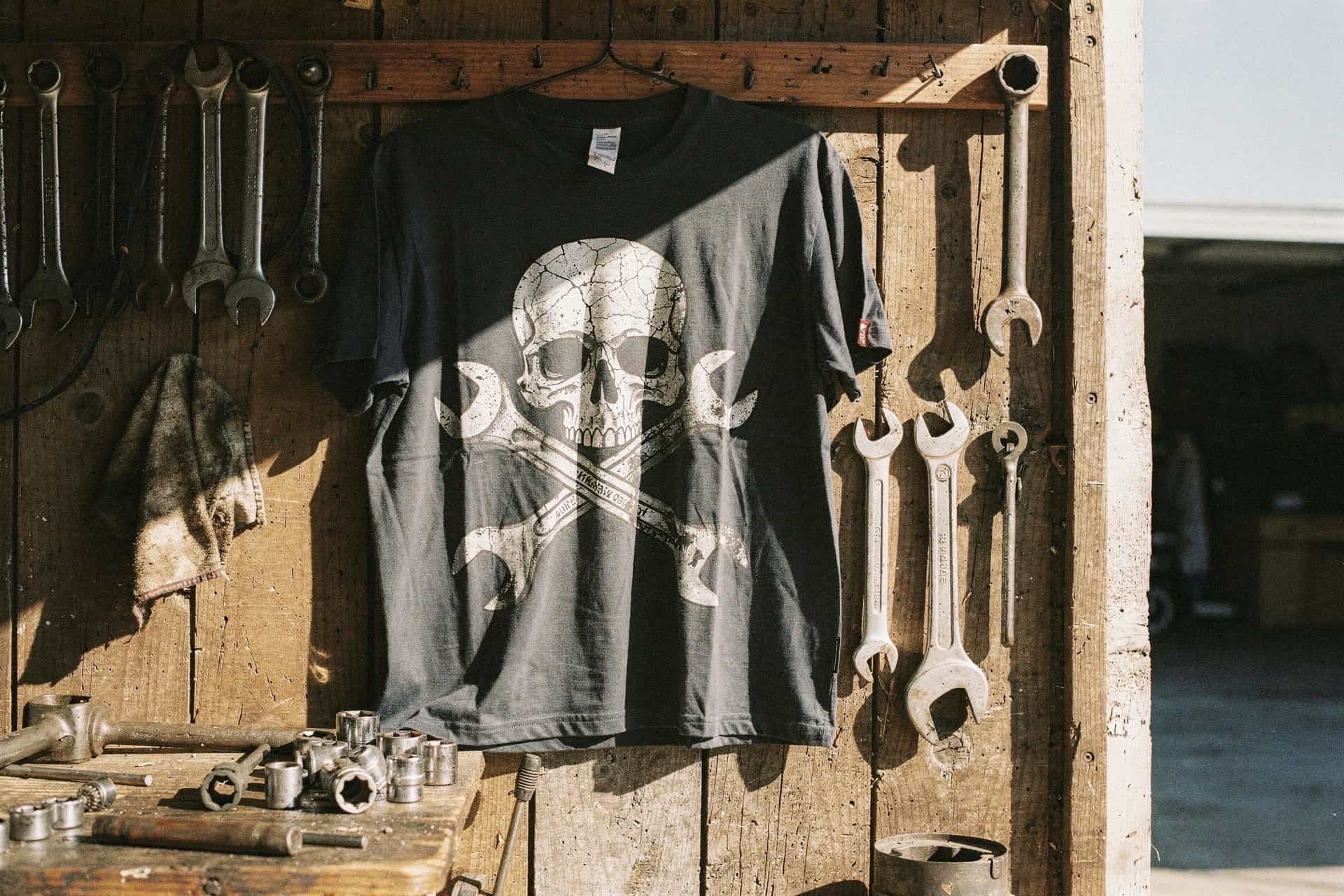
The skull is the single most common motif in motorcycle apparel. Its presence in biker culture traces back to military units - WWII bomber crews and infantry divisions painted skulls on their equipment as symbols of defiance and mortality awareness. When those veterans formed motorcycle clubs, the skull came with them. It is not decoration. It is a reminder that every ride could be the last, and that is exactly why you take it.
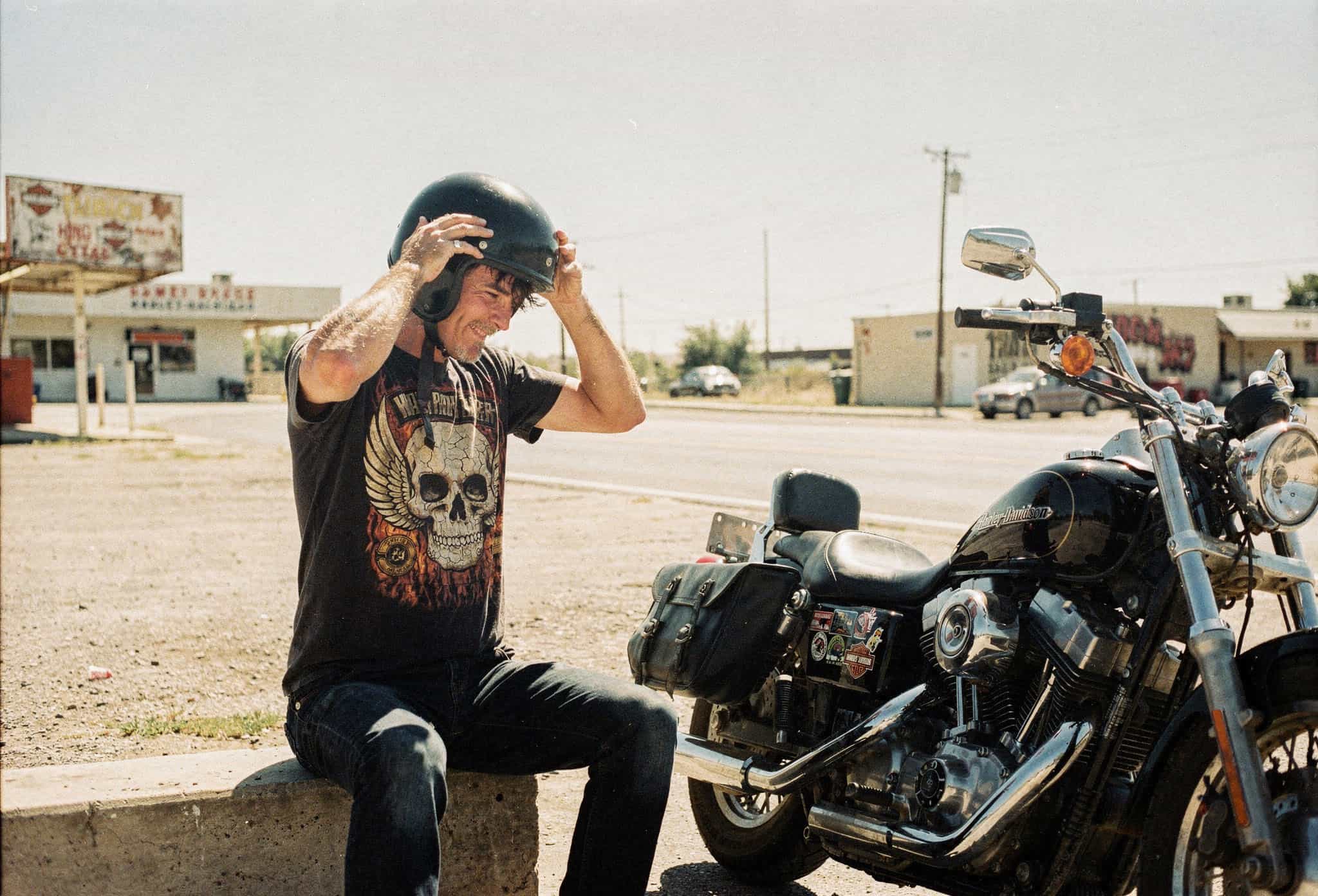
Wings
Winged designs - winged skulls, winged wheels, winged engines - represent freedom and speed. The winged wheel specifically has roots in the logo of the AMA itself, which is ironic given that outlaw clubs adopted and subverted the imagery. Wings on a biker shirt say movement, velocity, liberation.
Iron Crosses and Maltese Crosses
These appear frequently in motorcycle culture, inherited from the chopper scene of the 1960s. The iron cross was adopted by WWII veterans and later by custom builders as a symbol of rebellion and outsider status. It appears on everything from headlights to t-shirts. The Maltese cross is the official shape of the firefighter’s badge, and many firefighter-rider crossover shirts feature it.
Slogans That Mean Something
“Loud Pipes Save Lives” is not just a bumper sticker - it is a genuine safety argument among riders who believe that exhaust noise alerts car drivers. “Built Not Bought” separates the builders from the buyers, the garage hands from the dealership checkbooks. “Ride or Die” originated in outlaw culture and means exactly what it says.
We’ve seen riders show up at bike nights wearing shirts with slogans they don’t understand the weight of. If a shirt says something, know what it means before you put it on. In this world, words on your chest carry the same weight as words out of your mouth.
If you are looking for shirts that carry real meaning from a brand that lives the culture, our biker t-shirt collection is designed by riders, not a marketing department. Every graphic we print comes from the garage, not a stock photo library.
How to Pick Biker Shirts That Actually Last
Buying motorcycle t-shirts is not complicated once you know what to look for. Here is the short list:
1. Check the fabric weight. If the tag does not list the GSM or ounce weight, hold the shirt up to a light. If you can see through it, put it back.
2. Look at the print. Run your finger over the graphic. Screen-printed designs have a slight texture. DTG prints feel smooth and integrated with the fabric. Vinyl has a plastic sheen. You want screen print or high-quality DTG.
3. Read the tag. 100% combed ringspun cotton is ideal for a graphic tee that needs to hold its shape and its print. If the tag says “50/50 blend” or does not specify the cotton type, expect lower quality.
4. Check the stitching. Double-stitched hems, reinforced shoulders, and clean seams are non-negotiable. Flip the shirt inside out - the interior construction tells you everything the exterior hides.
5. Consider the fit. Motorcycle tees tend to run in two camps: the classic relaxed American fit (looser through the body, standard shoulders) and the more tailored European cut (slimmer, shorter body). Neither is wrong - it depends on your build and whether you want the shirt to work under a jacket or on its own.
Honest take from our end: we have handled thousands of shirts from dozens of suppliers over the years. The single biggest predictor of a shirt’s lifespan is fabric weight and cotton quality. A well-printed graphic on a cheap blank will still look terrible in six months because the fabric around it is falling apart.
Riding Gear vs. Riding Culture: Where Biker Shirts Fit
A motorcycle t-shirt is not protective gear. It will not save your skin in a lowside. That is what jackets, armor, and leather are for - and our biker gear guide covers the full breakdown of what you actually need on the road.
But biker shirts serve a different function. They are the uniform of the off-bike life - the bike night, the bar, the garage, the rally. They identify you to other riders without saying a word. When you walk into a gas station wearing a shirt with a shovelhead engine on the chest, the guy at the next pump who rides knows it. That is the whole point. For a deeper look at how motorcycle apparel connects to the culture behind it, our motorcycle culture guide covers the history and identity that give biker clothing its meaning.
The motorcycle t-shirt also bridges the gap between riding culture and everyday life. Not everyone can wear a leather vest to the grocery store (though some of us do). A graphic tee with a clean design lets you carry the culture into the civilian world without explanation. For more on how motorcycle apparel works beyond the bike, check out our piece on biker fashion.
And for cooler weather or layering under a jacket, motorcycle hoodies fill the same cultural role with added warmth and a hood that actually serves a purpose when you are wrenching outside in November.
Rally Shirts, Shop Shirts, and the Ones You Keep Forever
Every rider has that one shirt. The Sturgis 2009 shirt that is more holes than fabric but you will not throw it away. The shop tee from a custom builder in Austin who welded your hardtail. The faded rally shirt from the first long-haul ride you ever took.
These shirts become artifacts. They carry road grime, bar smoke, chain lube, and memories that no amount of washing can remove - or should.
The rally shirt economy is its own world. Sturgis alone moves an estimated hundreds of thousands of t-shirts during each August rally. Daytona Bike Week, Laconia, the Republic of Texas Rally - every major gathering has vendors stacked three deep selling event-specific tees. Some of these are well-made commemorative pieces. Most are printed on the cheapest blanks available and will not survive the ride home.
Shop shirts - tees printed by independent motorcycle shops and custom builders - are the hidden gems of biker apparel. These are usually produced in small runs, screen-printed on quality blanks, and carry designs that reflect the builder’s actual aesthetic rather than whatever skull-and-flames template sells fastest. If you visit a custom shop and they have a house tee, buy it. Those shirts become collector’s items.
We started Bobber Brothers the same way - five friends, a garage, and a minimum order of 50 t-shirts that we designed for ourselves. That first run was not a business plan. It was us making the shirts we wanted to wear because nobody else was making them right. Ten years and 9,500 customers later, the approach has not changed. If we would not wear it in our own shop, it does not go on the site. You can see the full lineup in our shop.
Sizing, Shrinkage, and Getting the Right Fit
Nothing kills a good biker shirt faster than ordering the wrong size. Cotton shrinks. It is a fact of the fiber, not a defect. Here is how to deal with it:
- Pre-shrunk shirts have already been through a heat process that causes the initial shrinkage. These will still shrink slightly (usually 2-3% in length) but nothing dramatic.
- Non-pre-shrunk shirts can lose a full size in a hot dryer. If the tag does not say “pre-shrunk,” size up.
- Length matters more than width. A shirt that rides up every time you reach for the handlebars is useless. Look for shirts with at least 30 inches of body length for a standard medium.
- Measure a shirt you already like and compare those measurements to the size chart. Do not trust S/M/L/XL labels across brands - a “large” from one company is a “medium” from another.
For riders who wear their tees under jackets, a slimmer fit prevents bunching at the shoulders and waist. For standalone wear at rallies and bike nights, a classic fit with a bit of room in the chest and arms is more comfortable and lets the graphic sit flat.
What Your Shirt Says About You
Walk through the parking lot at any bike rally and you can read the crowd by their shirts. The guy in the vintage Easyriders tee has been riding since before you were born. The one in the fresh Harley-Davidson dealer shirt just bought his first Sportster and is figuring out what kind of rider he wants to be. The woman in the faded shop tee from a builder in Brooklyn has a story behind that shirt that would take three beers to tell.
Your biker shirt is shorthand. It tells other riders where you have been, what you value, and whether you earned your place or bought it. That is why a $40 tee from a garage-born brand carries more weight at a bike night than a $200 designer shirt with a motorcycle on it. Authenticity is not a price point - it is a track record.
Throw on something that means something to you. Ride somewhere worth remembering. Let the shirt collect the miles.
Sources
- Thompson, Hunter S. Hell’s Angels. Random House, 1966 - Primary source on early Hells Angels MC culture including printed t-shirts as territorial markers.
- Kadolph, Sara J. Textiles. 11th Edition. Pearson, 2010 - Textile science reference on fiber properties, fabric weights, and yarn construction including ringspun vs. open-end cotton.
- RevZilla - 75 Years Ago, Hollister Began Changing the Image of Motorcycling - Historical context on the 1947 Hollister rally and its impact on motorcycle culture.
- Smithsonian - Innovative Lives: Stephanie Kwolek and Kevlar - History of DuPont’s Kevlar fiber development, referenced for aramid fabric in motorcycle apparel.