
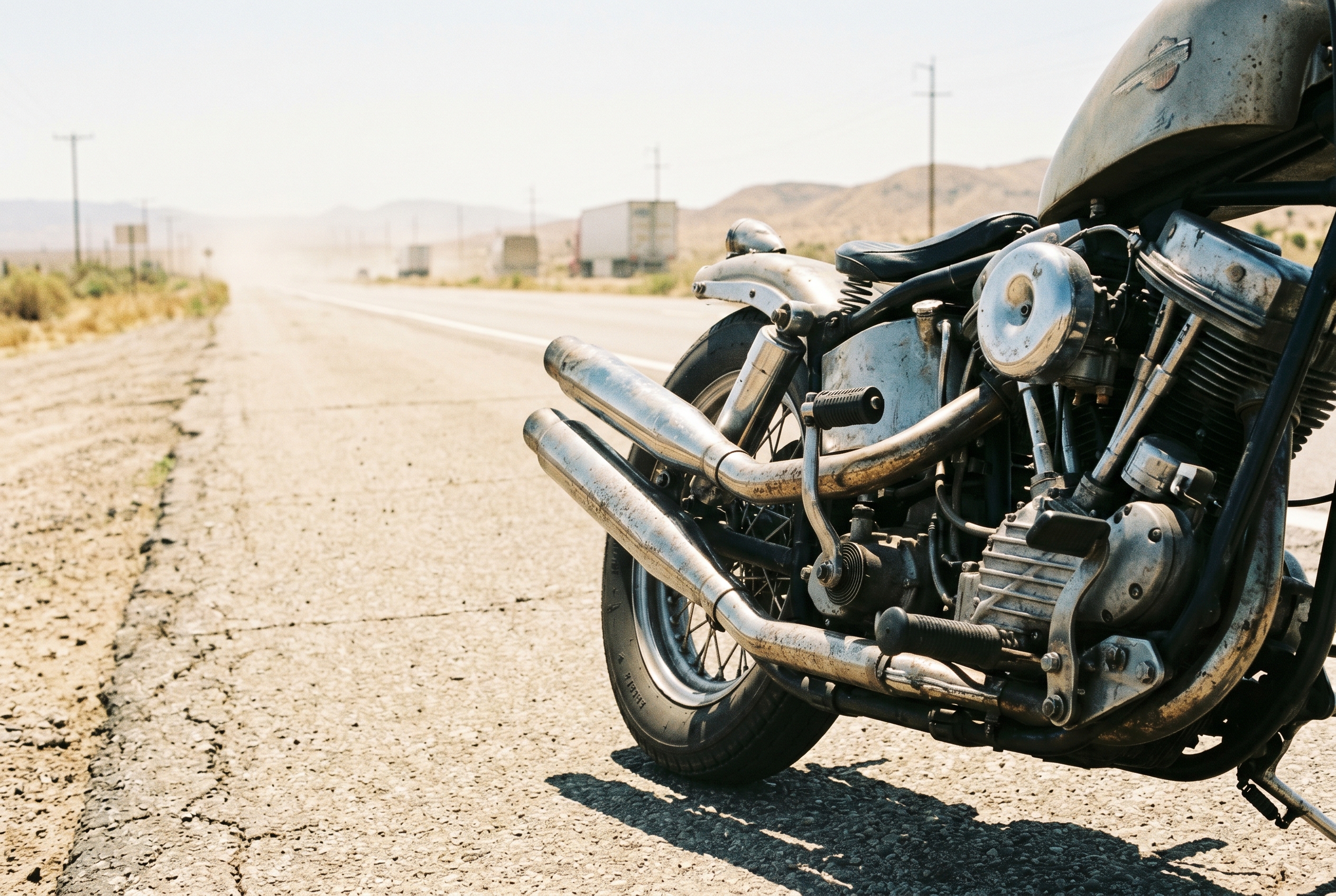
You can hear a Harley with straight pipes from a quarter mile away. The rider can hear it from the saddle, the neighbors can hear it from the back porch, and the guy in the Camry up the road can probably feel it through the floorboards. Whether any of that sound actually keeps the rider alive is one of the longest-running debates in American motorcycle culture.
This is the working guide to what Loud Pipes Save Lives means, where the phrase came from, what the safety data actually shows, and why riders still pick it as a chest emblem in 2026 even when the safety argument has been picked apart by a generation of researchers.
What the Phrase Means
Loud Pipes Save Lives is, on its face, a four-word safety argument. The claim: an audible exhaust alerts other drivers to a motorcycle’s presence in traffic. The louder the bike, the more likely a driver will hear it before changing lanes, opening a door, or making a left turn across an intersection.
The phrase functions on three levels:
- Literal safety claim. A louder bike is harder to miss.
- Defensive identity. Riders who run loud exhaust have heard the noise complaints from neighbors, restaurants, and city councils for decades. The phrase reframes the volume as a feature, not a flaw.
- Cultural shorthand. Loud Pipes Save Lives signals American V-twin riding identity in the same way that “FTW” or “Built Not Bought” signals build culture. You see the phrase on a tank or a tee and you know what kind of bike the rider is on without looking.
All three levels are real. The riders who wear the phrase are not necessarily making a literal safety argument every time they put on the hoodie. They are signaling tribe.
Where the Phrase Came From
There is no documented first use of Loud Pipes Save Lives. The phrase emerged from American motorcycle culture in the second half of the twentieth century, almost certainly out of the post-war custom and chopper scene. As aftermarket exhaust systems became standard practice on Harley-Davidsons and other large V-twins through the 1960s, 70s, and 80s, riders developed the language to defend the sound.
The phrase was already common shop and bike-night talk by the time it appeared on patches and t-shirts in the 1980s and 1990s. By the 2000s, it had crossed over into mainstream apparel and was visible at virtually every American bike rally.
One documented institutional adoption: the Oakland Police Department in California modified the exhaust on its own patrol motorcycles to be louder after an officer was struck by a car whose driver said he had not heard the bike approaching. That episode is referenced in safety law commentary as one of the few examples of a public safety agency embracing the loud-pipes argument operationally.
The Acoustic Problem
The strongest objection to the loud-pipes argument is acoustic, and it is not a small problem.
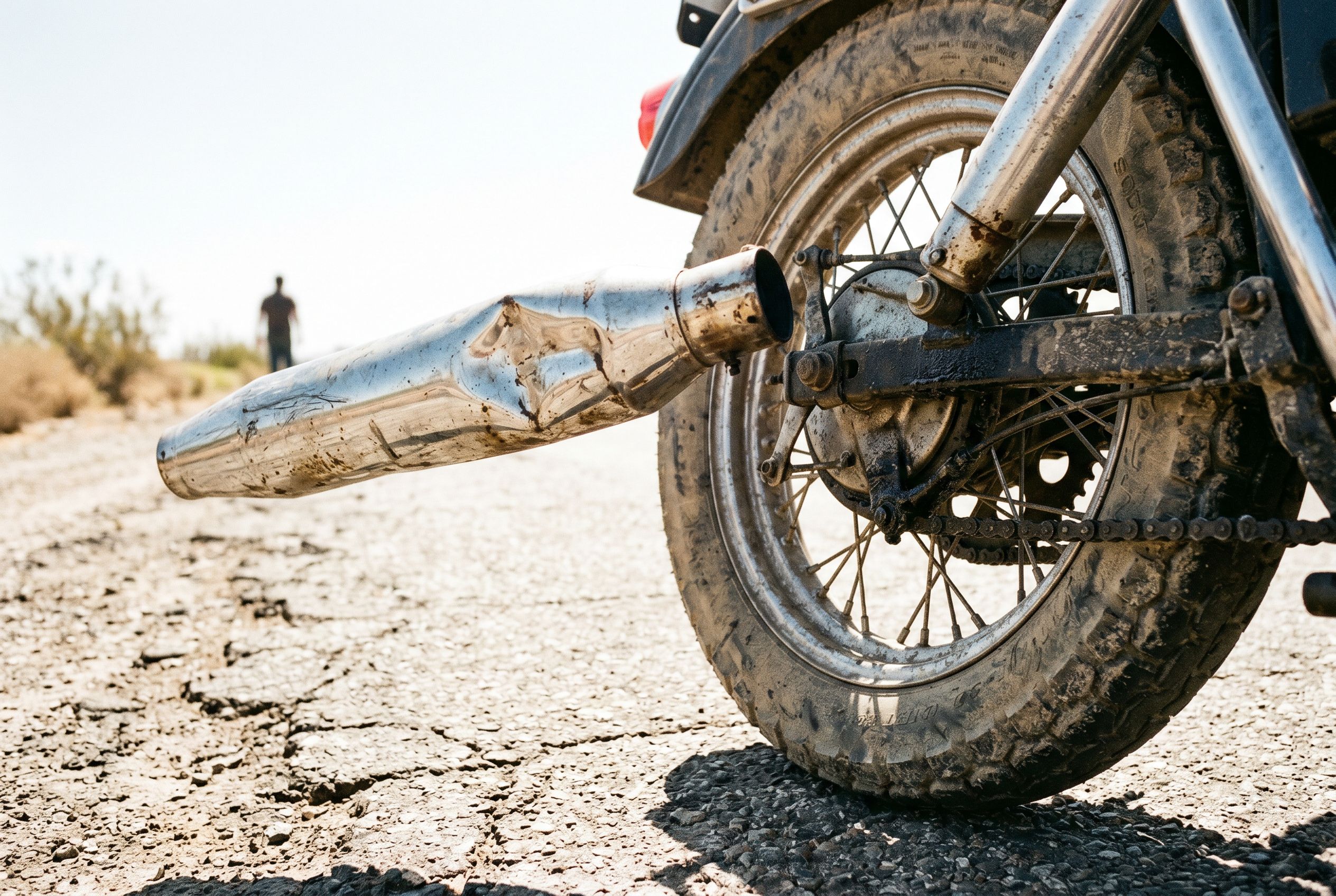
A motorcycle’s exhaust exits at the rear of the bike. The sound projects rearward and laterally. The vehicle most likely to cause a multi-vehicle crash with a motorcycle is the car ahead of the rider, typically the car turning left across the rider’s path. That car is in front of the bike, which means it is upstream of the exhaust sound. By the time the loud exhaust reaches the car, the motorcycle is usually adjacent or already past, which is too late to influence a left-turn decision.
Sound also obeys the inverse-square law. Loud at the source becomes much quieter at distance. Modern cars have well-insulated cabins, double-pane glass, climate systems running, and stereos at conversational volume. A 2024 study by the Romanian Association for the Development of Motorcycling and the Polytechnic University of Bucharest measured the audibility of motorcycle exhaust inside cars at fixed distances. The finding: even motorcycles with peak exhaust output at 110 decibels (chainsaw-level loud) were inaudible inside a closed car at 50 feet. At 33 feet, only the loudest tested bike was clearly heard inside the car.
For a loud pipe to produce reliably perceptible sound inside the cabin of a typical car at 50 feet or more, the exhaust output would need to exceed roughly 135 decibels. That is louder than a commercial jet at takeoff. No street-legal motorcycle anywhere in the world produces that consistently.
What the Crash Data Says
The Hurt Report, the seminal 1981 study commissioned by the US Department of Transportation and led by Hugh Hurt at the University of Southern California, examined nearly 900 motorcycle crashes in detail. One core finding: 64.9% of multi-vehicle motorcycle crashes were the fault of the car driver, and the most common scenario was a car turning left into the path of an oncoming motorcycle. The Hurt Report identified poor visual conspicuity (“Sorry, I didn’t see you”) as a primary contributing factor.
A California Office of Traffic Safety survey found that only 7% of drivers reported noticing motorcycles primarily because of their noise. The dominant detection cues were visual: motorcycle movement, headlights, riding position, and rider clothing.
A large case-control study published in the BMJ found that motorcyclists wearing fluorescent or reflective clothing had a 37% lower crash risk. White or light-colored helmets were associated with 24% lower risk. Daytime running headlights reduced risk by approximately 27%.
The American Motorcyclist Association has stated that no significant correlation has been documented between aftermarket loud exhaust and reduced crash rates. The Motorcycle Safety Foundation reports that riders who complete advanced training courses are roughly 23% less likely to be involved in crashes.
Honest take: the data is consistent. Visibility, training, and defensive riding measurably reduce risk. Loud exhaust does not.
Why Riders Still Wear the Phrase
If the safety claim is shaky, why does Loud Pipes Save Lives still sell hoodies and tees in 2026? Three reasons.
First, the phrase captures a real defensive instinct. Riders are vulnerable in traffic. Anything that feels like it might shift a driver’s attention toward the bike registers as worth doing. The empirical case is weak, but the felt case is strong. We hear riders in the shop describe situations where they believed their pipes saved them. Whether the cause was actually the noise or some other factor, the rider’s lived experience attaches to the noise.
Second, the phrase is cultural shorthand for an entire riding identity. Loud V-twin culture, the Harley and chopper and bobber world, defines itself in part by sound. A stripped-down bobber with a quiet stock exhaust is missing something. The phrase captures the whole identity in four words.
Third, the phrase has aesthetic staying power. Four short words. Easy to read on a tee or a hoodie. Bold typography. Reads at a distance. The design works as graphic design independent of whether anyone in 2026 still believes the literal safety claim. Plenty of riders wearing Loud Pipes Save Lives in 2026 understand the data fine and wear it anyway because they like the bike, the bike makes noise, and the phrase belongs to the culture that produced both.
Loud Pipes Save Lives Apparel and Gear
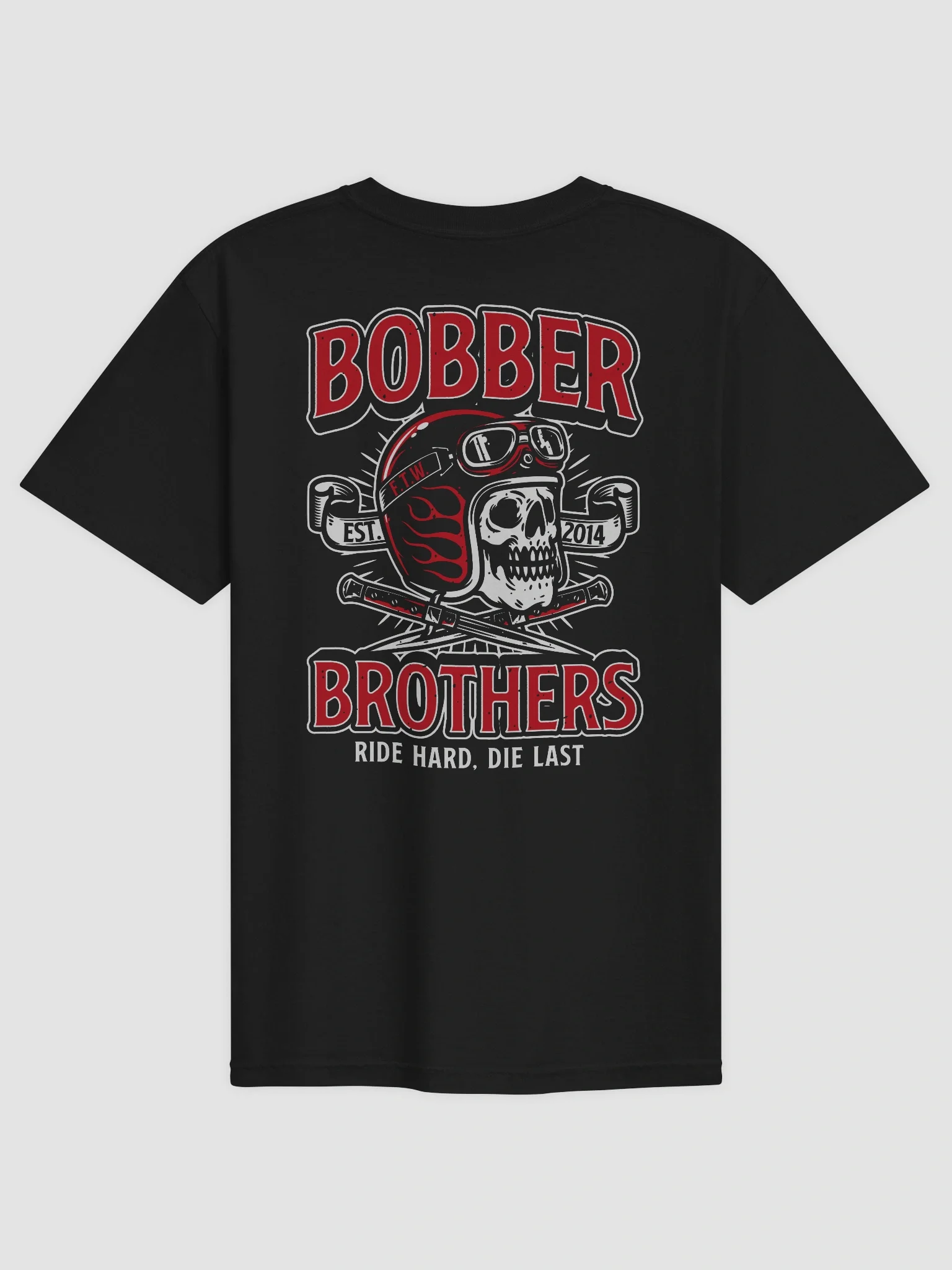
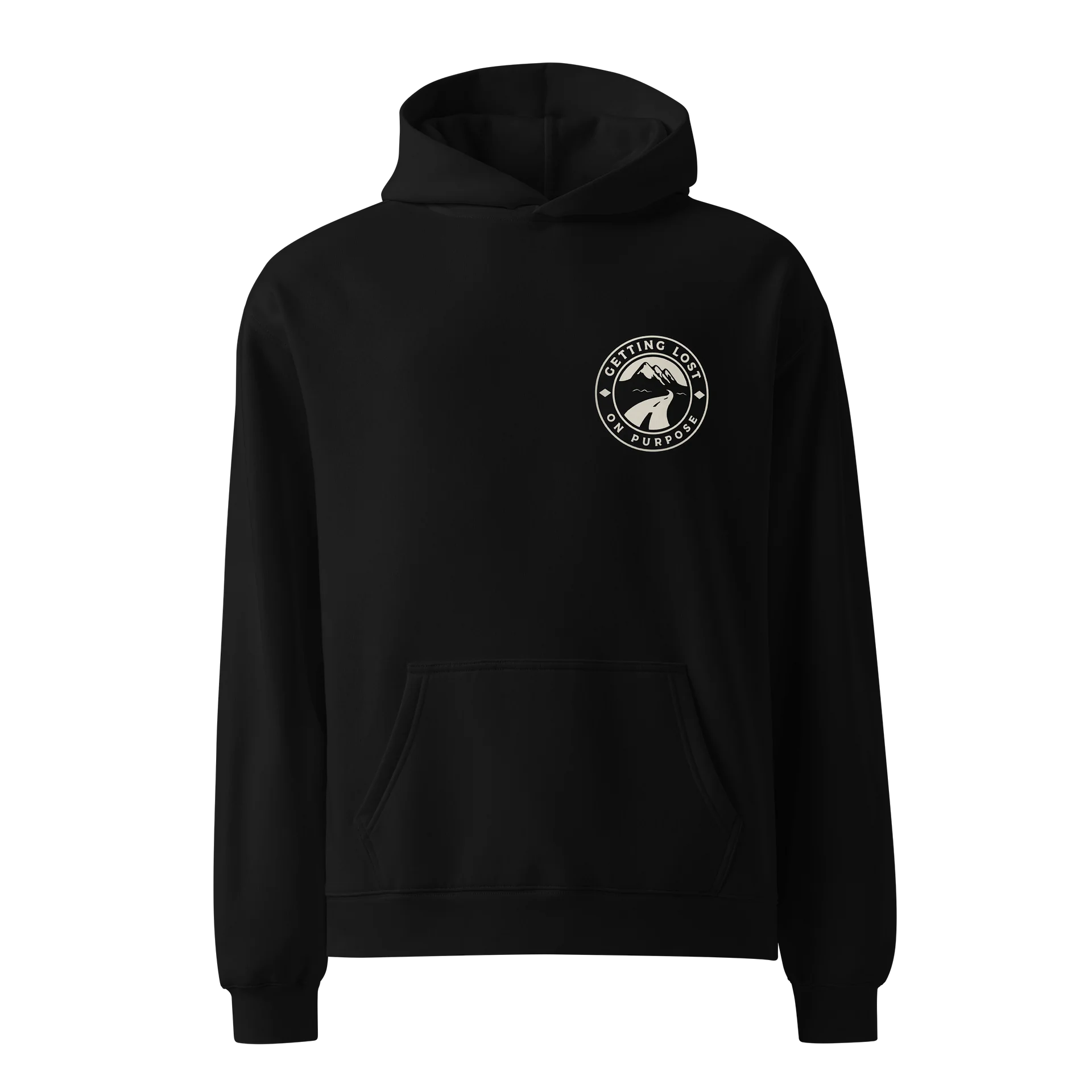
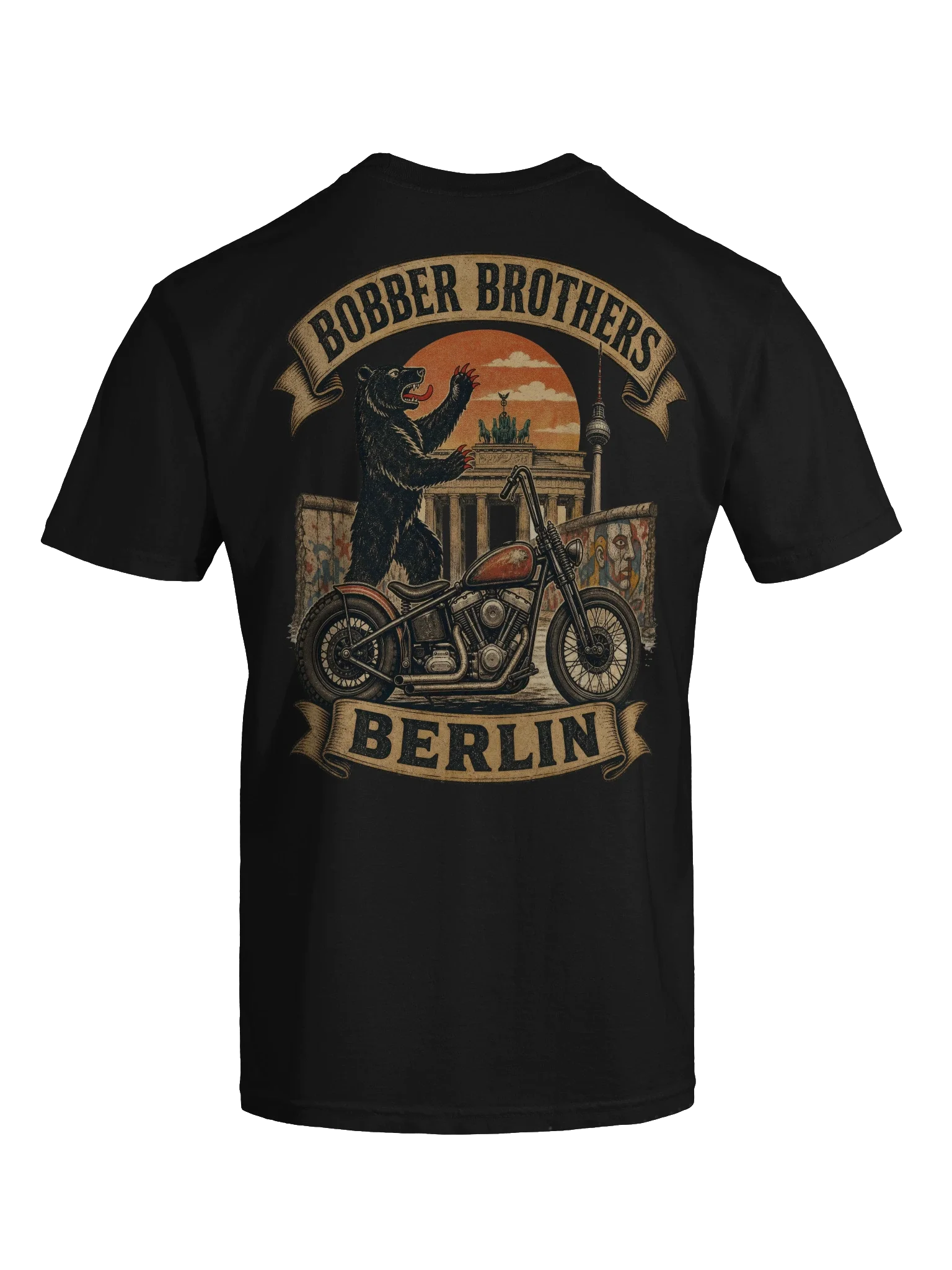
If you ride American V-twin and the phrase belongs to your bike, the Bobber Brothers Loud Pipes Save Lives line is built around exactly that. The collection includes:
- The Loud Pipes Save Lives tee, the foundation piece.
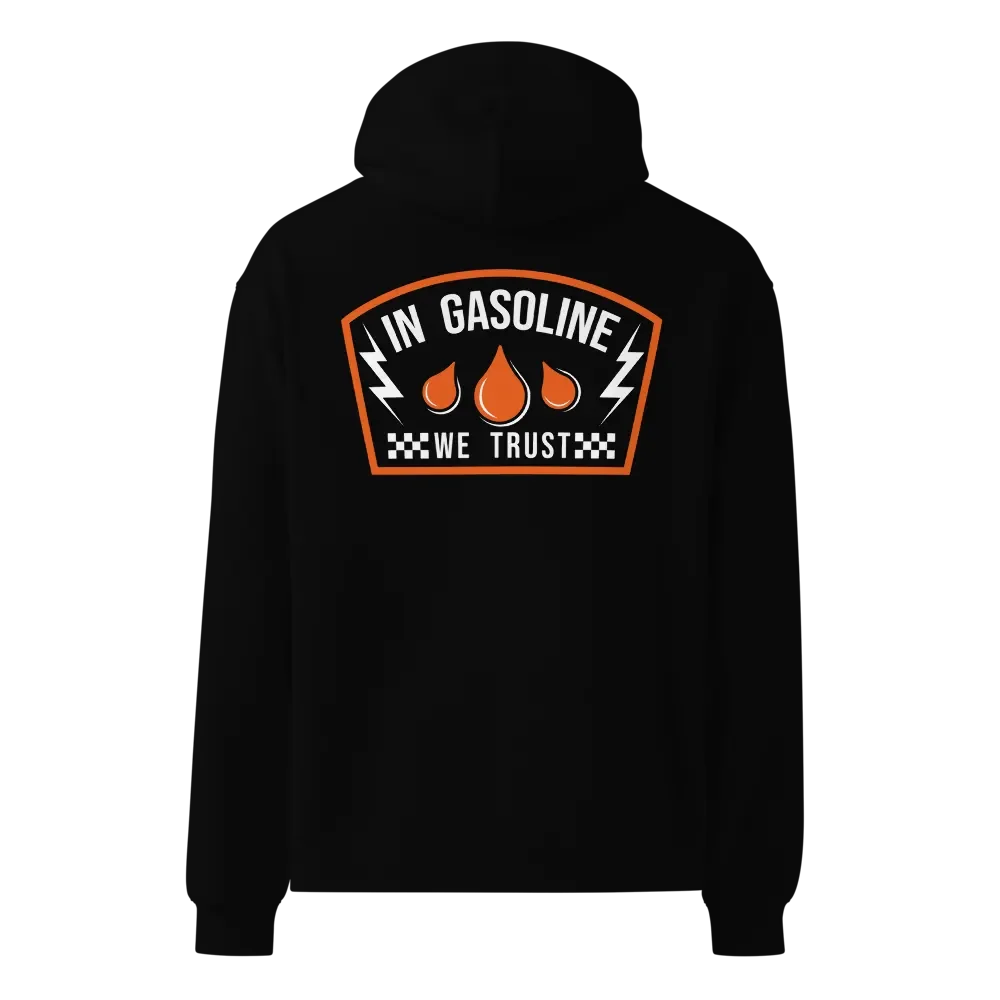
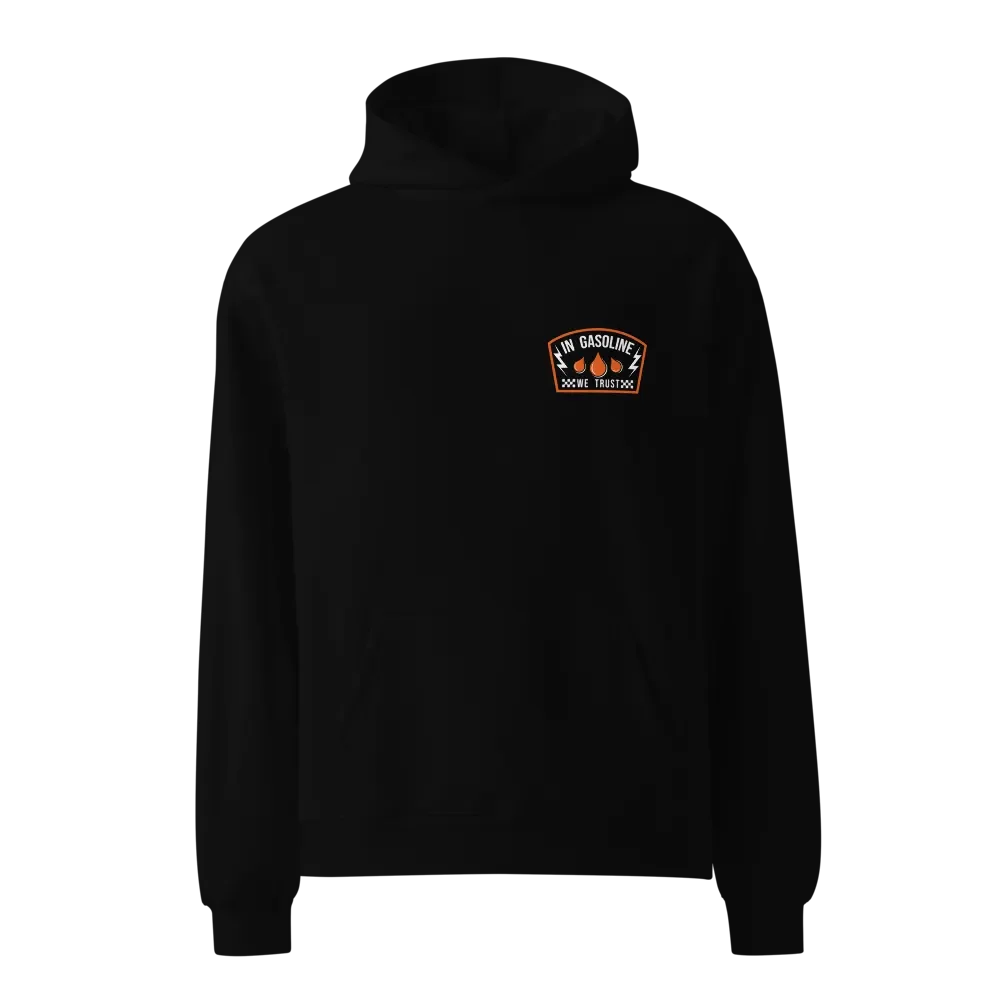
- The Loud Pipes Save Lives hoodie, heavyweight pullover for the colder rides.
- The Snake and Wrench beige tee and Snake and Wrench hoodie, a different graphic treatment of the same theme.
- The Loud Pipes Save Lives sweater for layering over a tee in fall.
- The Loud Pipes Save Lives zip hoodie for riders who want a zip front.
- The Loud Pipes camp mug and koozie for the garage and the campsite.
For the broader bobber wardrobe context, our bobber clothing style guide covers the four main design lines we run and how they fit together.
What to Actually Do for Safety
The right place for a working safety conversation is separate from the cultural conversation. If you ride a motorcycle and want to ride longer, the documented interventions are clear:
| Intervention | Documented effect |
|---|---|
| Daytime running headlight | 27% lower crash risk (BMJ case-control study) |
| Light or fluorescent jacket | 37% lower crash risk |
| White or light-colored helmet | 24% lower crash risk |
| MSF Advanced Rider Course | 23% lower crash involvement |
| Maintaining lane position to maximize visibility | Not quantified, universally recommended |
| Defensive riding (assume cars have not seen you) | Not quantified, foundational |
None of those interventions require getting rid of a loud exhaust. You can run loud pipes and a high-vis jacket and a bright headlight and a safety class certificate at the same time. The cultural signaling and the actual safety work are not in conflict.
Beyond the Mantra
Loud Pipes Save Lives is at this point as much folklore as safety claim. The phrase outlived its empirical case because it captured something real about a culture that does not apologize for its presence on the road. Wearing the phrase in 2026 is closer to wearing a band t-shirt than to citing a safety study. Plenty of riders wear the band t-shirt without claiming the band invented rock and roll.
For the broader American motorcycle culture context, the motorcycle culture guide is the cluster pillar. For other safety-meets-culture phrases that have similar staying power, our FTW meaning and biker patches meaning articles are sibling reads.
The pipes are loud. The pipes might not save anyone. The pipes are still going to be loud. That is the whole story.
Sources
- Do Loud Pipes Save Lives - TorkLaw. Legal industry analysis of the safety claim with reference to AMA studies and the Oakland Police Department episode.
- Loud pipes save lives: fake or fact? - FEMA Motorcycling. European motorcycle federation analysis with detailed acoustic argument and reference to the 2024 Romanian study.
- Stop saying loud pipes save lives - RevZilla Common Tread. Industry coverage with Hurt Report data on multi-vehicle motorcycle crash patterns.
- A New Study Confirms Loud Pipes Save Lives Is a Safety Myth - MotorBiscuit. Coverage of the Romanian Association for the Development of Motorcycling and Polytechnic University of Bucharest study.
- Hurt, Hugh H. et al. Motorcycle Accident Cause Factors and Identification of Countermeasures, 1981 - University of Southern California Traffic Safety Center. The original Hurt Report on motorcycle crash causation.
- Wells, S. et al. Motorcycle Rider Conspicuity and Crash Related Injury - BMJ, 2004. Case-control study documenting the safety effect of light-colored helmets, fluorescent clothing, and daytime running headlights.
- Motorcycle Safety Foundation - Rider Education. Industry source for the documented effect of advanced rider training on crash involvement.