Three letters on a gas tank. No explanation needed - at least not for anyone who already lives the life. But if you have ever spotted FTW stitched into a patch, tattooed on a forearm, or painted across the rear fender of a hardtail and wondered what it stands for, you are in the right place.
FTW is one of the most recognized acronyms in motorcycle culture. It carries weight. It carries history. And depending on who you ask, it carries two very different meanings.
What Does FTW Mean in Biker Culture?
In the motorcycle world, FTW has two primary interpretations:
Forever Two Wheels - a declaration of loyalty to the riding life. Two wheels, open road, nothing else matters. It is a statement that motorcycles are not a hobby. They are the whole point.
F* the World** - a rejection of mainstream society and its expectations. This is the older, rawer meaning. It says: we do not answer to your rules, your dress code, your nine-to-five grind. The world can keep its opinions.
Both meanings coexist. Many riders embrace both simultaneously. You can be loyal to two wheels and reject everything that tries to pull you off them. The beauty of FTW is that it works either way - and most bikers do not feel the need to clarify which one they mean.
The Origins: Where FTW Came From
The phrase did not start as an internet abbreviation or a gaming term. In biker culture, FTW is tied to the postwar outlaw-club world that took shape in the late 1940s and 1950s.
After World War II, returning veterans who found civilian life suffocating formed the first outlaw motorcycle clubs. These men had survived combat, watched friends die, and come home to a country that expected them to get a desk job and keep quiet about what they had seen. Many of them had one response to that expectation: f*** the world.
The exact first printed use of FTW inside motorcycle culture is harder to pin down than a lot of internet explainers pretend. What is well documented is the anti-establishment attitude behind it. William Dulaney’s history of outlaw motorcycle clubs and Hunter S. Thompson’s reporting on the Hells Angels both describe a scene built around outsider identity, contempt for mainstream approval, and loyalty to the club over the wider world.
That is why most riders treat F* the World** as the older outlaw reading and Forever Two Wheels as the later rider-friendly reading that spread beyond strict 1% club circles. Both meanings are live in biker culture now. If someone tells you there is only one correct expansion, they are overselling it.
For a deeper look at the clubs and codes that shaped this world, check out our complete guide to motorcycle clubs.
FTW in Outlaw Motorcycle Clubs
Inside 1%er clubs, FTW leans heavily toward its original meaning. The outlaw MC world operates on a philosophy of separation from mainstream society - its own laws, its own hierarchy, its own justice. FTW is shorthand for that entire worldview.
You will find FTW on club members’ tattoos, on support gear, painted on clubhouse walls, and embroidered into cuts alongside other club insignia. In this context, it is not casual. It is an identity statement backed by a lifestyle that most people will never understand from the outside.
We hear this question in the garage every week: “Is it disrespectful to wear FTW if you are not in a club?” Short answer - no. FTW is not a club-specific patch or a territorial marker. Unlike a 1%er diamond or a club’s colors, FTW is considered general biker culture. Independent riders, weekend warriors, and custom builders all use it. That said, context matters. An FTW patch on a vest full of outlaw MC support gear sends a different message than one on a t-shirt at a bike show.
For more on what patches mean and which ones carry weight in the MC world, read our breakdown of the meaning of biker patches.
How FTW Shows Up on Bikes and Gear
FTW is everywhere in the motorcycle world. Here is where you will most commonly see it:
Gas tanks. A hand-painted or pinstriped FTW on a bobber or chopper gas tank is a classic move. It has been done for decades and never gets old. Gold leaf FTW lettering on a gloss black peanut tank - that is the look. If you are new to stripped-down customs, our bobber motorcycle guide breaks down why that peanut-tank look shows up so often.
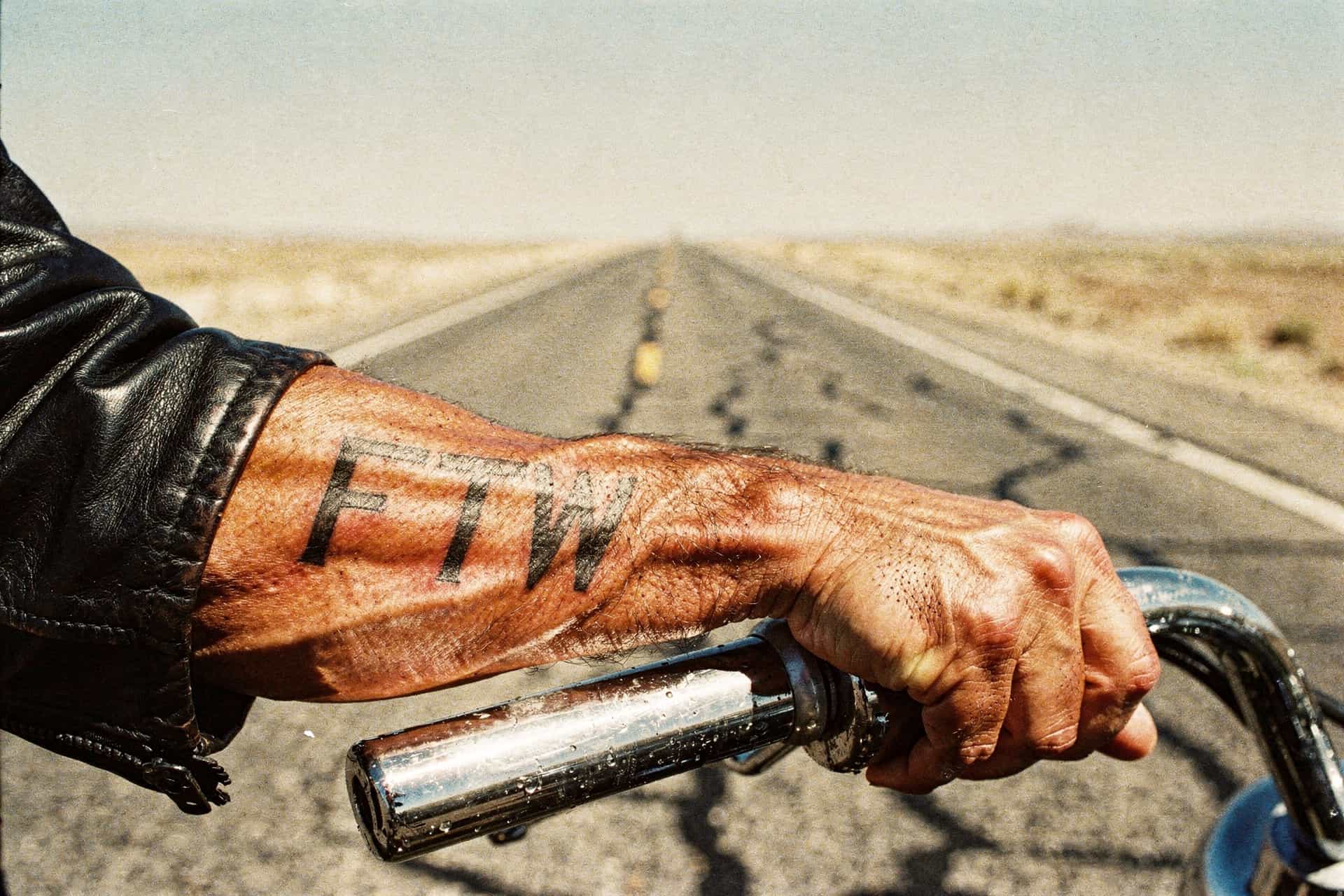
Tattoos. FTW across the knuckles is an old-school biker tattoo. Four letters, four fingers on one hand (with the thumb left bare) or spread across both hands. You also see it on forearms, chests, and necks.
Patches and pins. FTW patches are a staple on vests and jackets. They range from simple block letters to elaborate embroidered designs with wings, skulls, or pistons. If you are looking to rep it, our patches collection carries the real thing - no flimsy iron-on garbage.
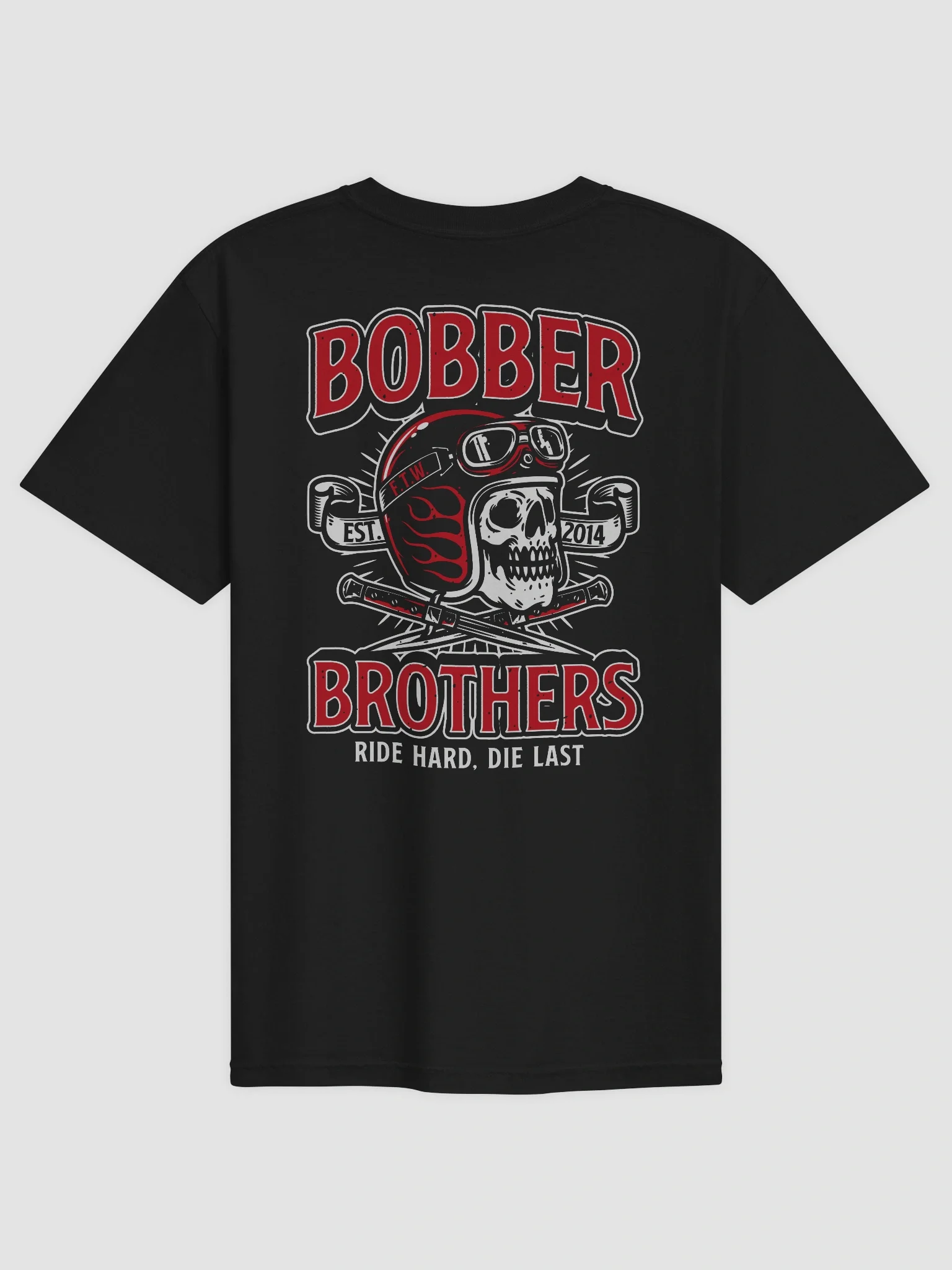
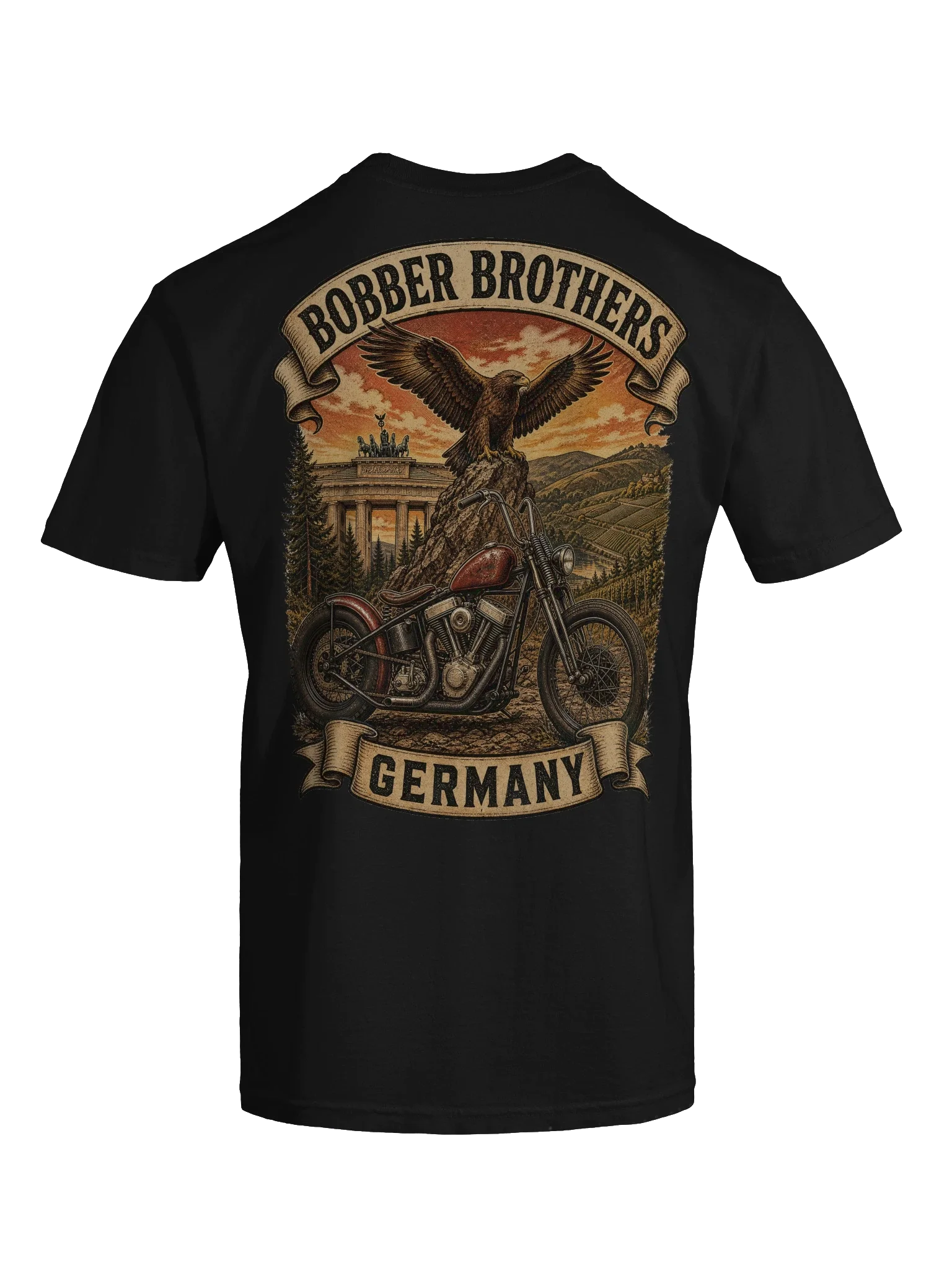
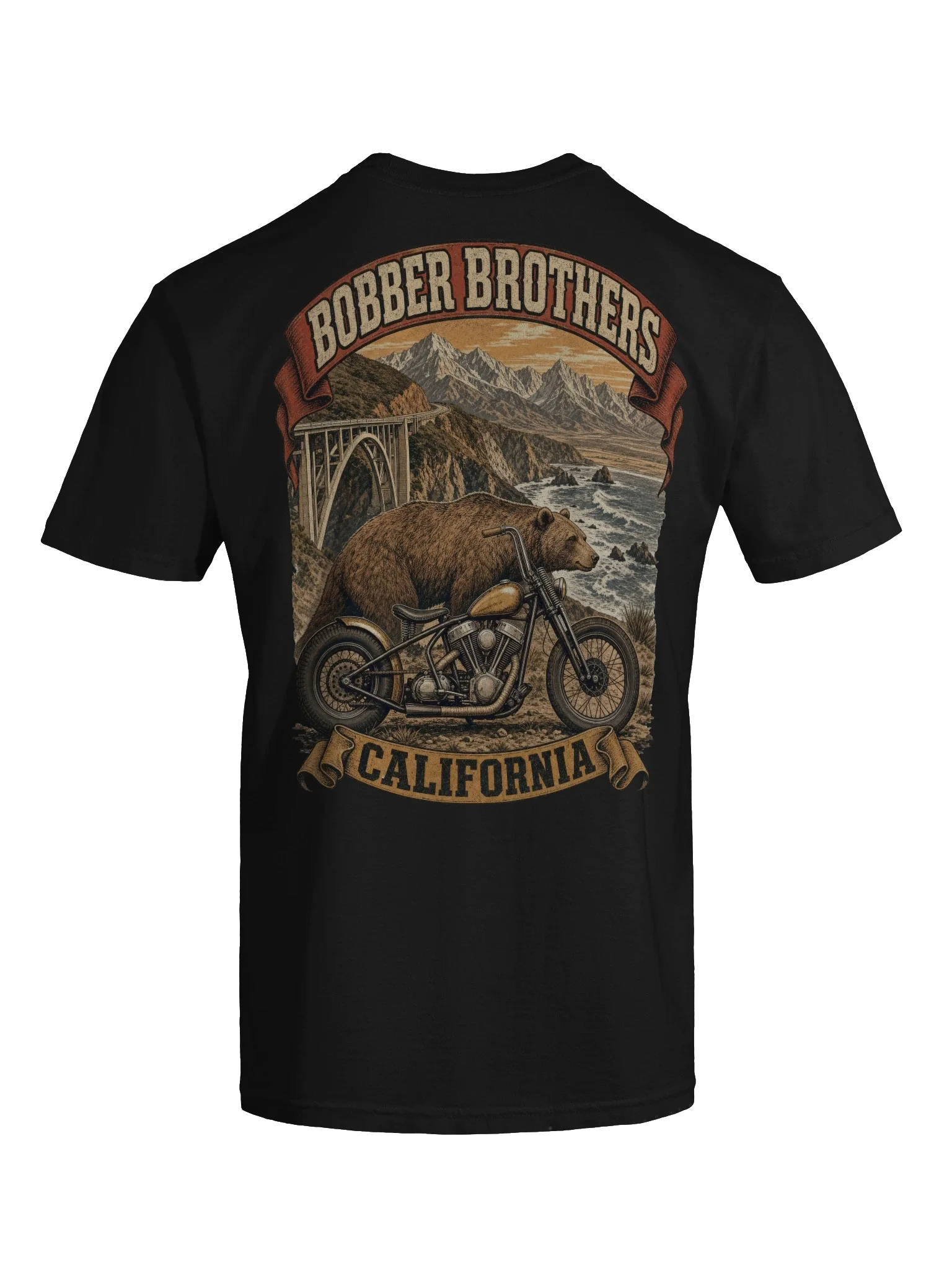
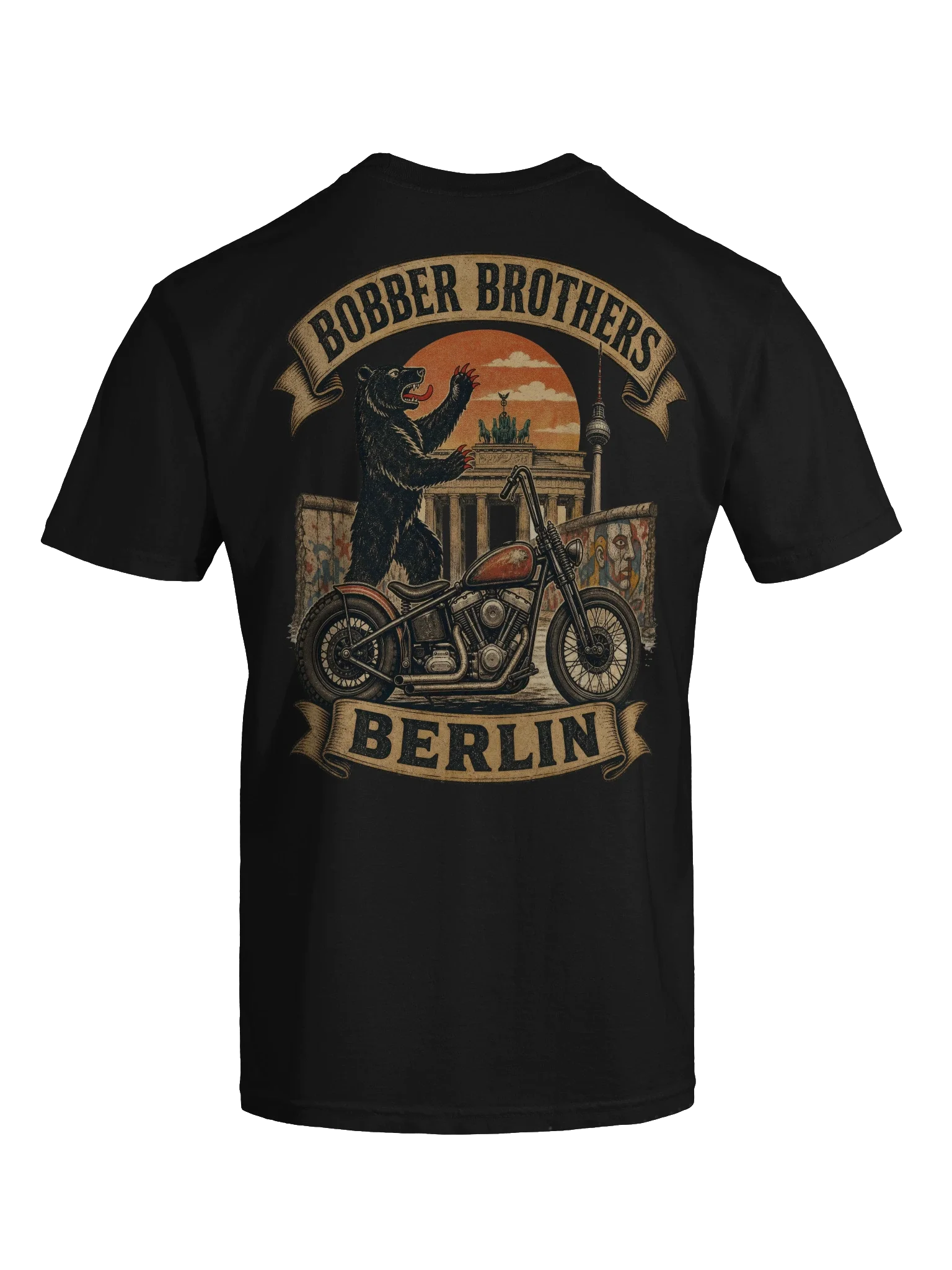
T-shirts and hoodies. FTW has lived on biker apparel for decades. It is one of the most enduring designs in motorcycle culture - three letters that say everything. We have been putting FTW on our own tees since we started Bobber Brothers, because some things do not need reinventing.
Stickers and decals. Toolboxes, helmets, truck bumpers, laptop lids. FTW stickers are one of those universal signals that tell another rider you are part of the tribe.
Other Biker Acronyms You Should Know
FTW is just one piece of a much larger vocabulary. Biker culture runs on abbreviations, codes, and shorthand that outsiders rarely understand. Here are the ones that matter:
AFFA - Angels Forever, Forever Angels
This is a Hells Angels-specific acronym. AFFA stands for “Angels Forever, Forever Angels” and is used exclusively by members and close supporters of the Hells Angels Motorcycle Club. You will see it on support gear, tattoos, and stickers alongside the number 81 (H = 8th letter, A = 1st letter). Using AFFA without a connection to the club is a bad idea (Barger, Hell’s Angel, 2000).
DFFL - Dope Forever, Forever Loaded
Usually expanded as “Dope Forever, Forever Loaded,” DFFL is one of those old outlaw-scene acronyms tied to the hard-partying side of biker culture. You still see it on patches and old-school artwork, but it is not as universal as FTW and the exact weight depends on the crowd.
SFV - Sinners Forever, Vagos
SFV is tied to the Vagos Motorcycle Club, also known as the Green Nation. It is commonly read as “Sinners Forever, Vagos” and works as a club-loyalty statement in the same lane as AFFA for the Hells Angels.
BFFB - Bandidos Forever, Forever Bandidos
The Bandidos MC version of the same idea. BFFB means “Bandidos Forever, Forever Bandidos” and signals loyalty to the club rather than general biker culture.
13
The number 13 shows up constantly in biker culture. It can represent the 13th letter of the alphabet (M, for marijuana or methamphetamine), or it can simply signify outlaw status - being outside the law. Some clubs use it as a general outlaw marker. Others assign it specific internal meaning. Like most things in the MC world, the exact interpretation depends on who is wearing it.
81
As mentioned above, 81 is code for Hells Angels (H=8, A=1). “Support 81” gear is common and indicates allegiance to the club without directly naming it.
86
In biker slang, 86 means to get rid of something or someone. “He got 86’d” means he was kicked out or removed. The term actually predates biker culture - it comes from restaurant and bar slang - but it has been fully adopted into the MC vocabulary.
DILLIGAF - Does It Look Like I Give A F***
If FTW is the philosophy, DILLIGAF is the day-to-day attitude. The acronym spells out “Does It Look Like I Give A F***” and shows up on patches, stickers, and the backs of vests at rallies everywhere. It is not tied to any specific club - it belongs to the broader riding community. Same energy as FTW, more syllables.
The FTW Tattoo: What to Know Before You Get Inked
Honest take: if you ride and you want FTW permanently on your skin, go for it. Unlike club-specific tattoos (Hells Angels death head, Bandidos Fat Mexican, 1%er diamond), FTW is not claimed by any single organization. It belongs to the broader motorcycle culture.
That said, placement and context matter. FTW across your knuckles is a statement that carries the weight of the original outlaw meaning. A small FTW on your wrist or behind your ear reads differently. Neither is wrong - just be aware of what you are communicating and to whom.
The old-school approach: block letters, no frills, black ink. That is the classic. Script, flames, or decorative elements are more modern takes. Both work. The letters are what matter.
One thing we have seen riding through rallies and meets across Europe and the States: FTW tattoos are a conversation starter. Another rider spots those three letters and you have instant common ground. No introduction needed.
FTW Beyond Biker Culture
Outside the motorcycle world, FTW has taken on a completely different life. In internet and gaming culture, FTW almost universally means “For the Win” - an expression of enthusiasm or support for something. “Pizza FTW” or “Overtime goal FTW” has nothing to do with two wheels or rejecting society.
This dual meaning can cause confusion. Someone searching “FTW meaning” online might be looking for the gaming definition and stumble into outlaw motorcycle culture instead. Or vice versa.
There is also the joke interpretation: FTW as “What the F***” spelled backwards. Clever, but not how the acronym is actually used by anyone seriously.
For bikers, the only meanings that matter are the original two: Forever Two Wheels and F*** the World. Everything else is noise.
For a full rundown of biker slang - from “ape hangers” to “wrench” - check out our guide on biker slang and terminology.
Why FTW Still Matters
Motorcycle culture in 2026 looks different from what it did in 1955. Bikes have fuel injection and ABS. Riders use GPS. You can buy a custom bobber seat from your phone while sitting in traffic.
But the attitude behind FTW has not changed. The world still tries to box people in - cubicle jobs, algorithms deciding what you see, everyone performing their lives for a screen. FTW is the same middle finger it always was, just pointed at a different version of the same problem.
Every time a rider fires up a V-twin in a quiet neighborhood at 6 AM and does not care who hears it, that is FTW. Every time someone quits a soul-crushing job to build bikes full-time, that is FTW. Every time you choose the long way home on a back road instead of the highway, that is FTW.
We built Bobber Brothers on that attitude. Built Not Bought is our version of the same idea - the belief that the best things in life are the ones you create with your own hands, on your own terms. Three letters. No apologies.
Now stop reading and go ride.
Sources
- Hell’s Angels: A Strange and Terrible Saga - Hunter S. Thompson - firsthand reporting on the Hells Angels and the anti-establishment culture behind FTW
- Hell’s Angel: The Life and Times of Sonny Barger - Ralph “Sonny” Barger - the Oakland Hells Angels president’s account of club culture, patch protocol, and AFFA
- U.S. Department of Justice - Violent Gangs - federal documentation on outlaw motorcycle organizations
- Dulaney, William L. “A Brief History of ‘Outlaw’ Motorcycle Clubs.” International Journal of Motorcycle Studies, November 2005 - academic history of 1%er MC culture from the peer-reviewed journal of motorcycle studies