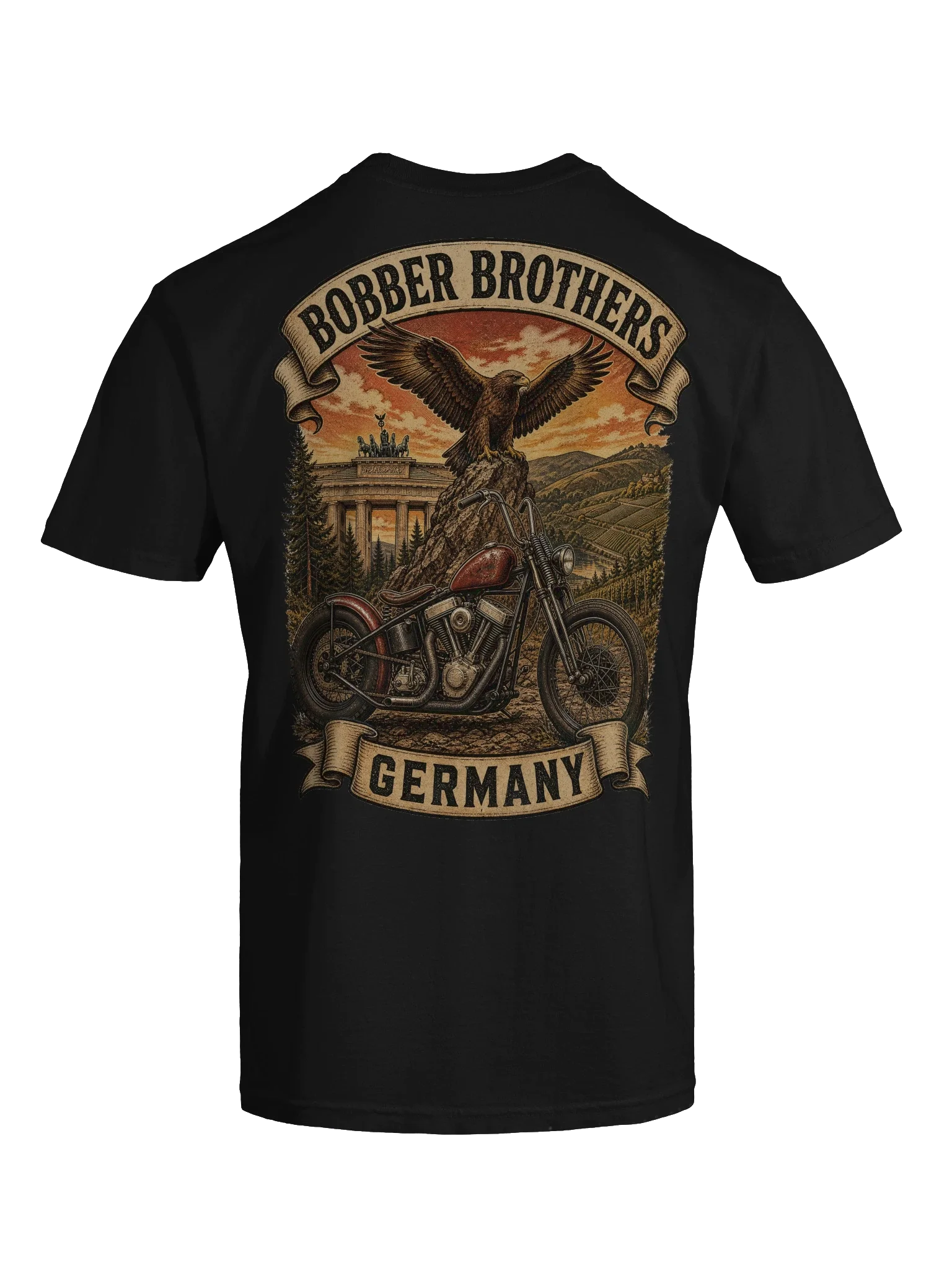
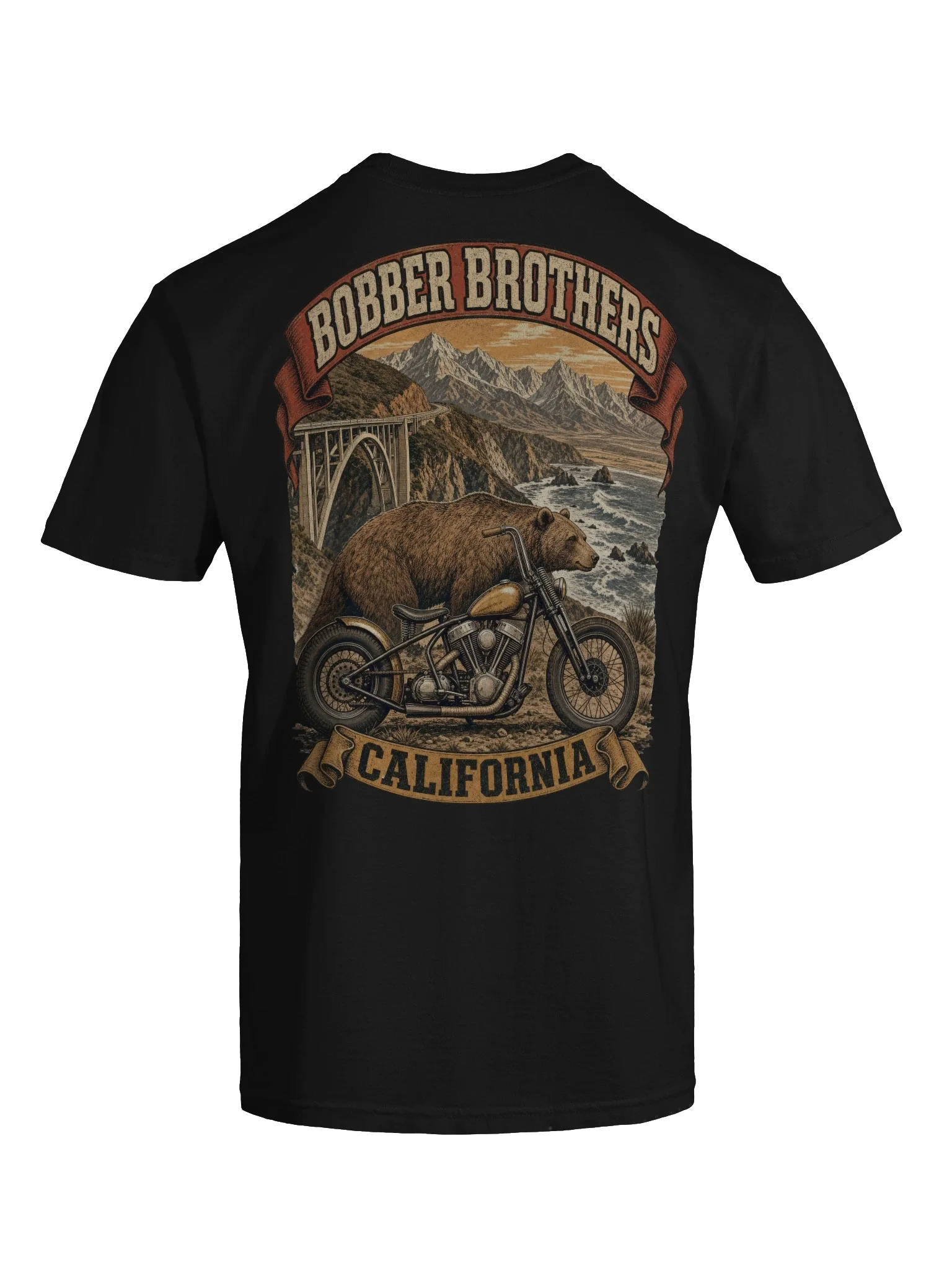
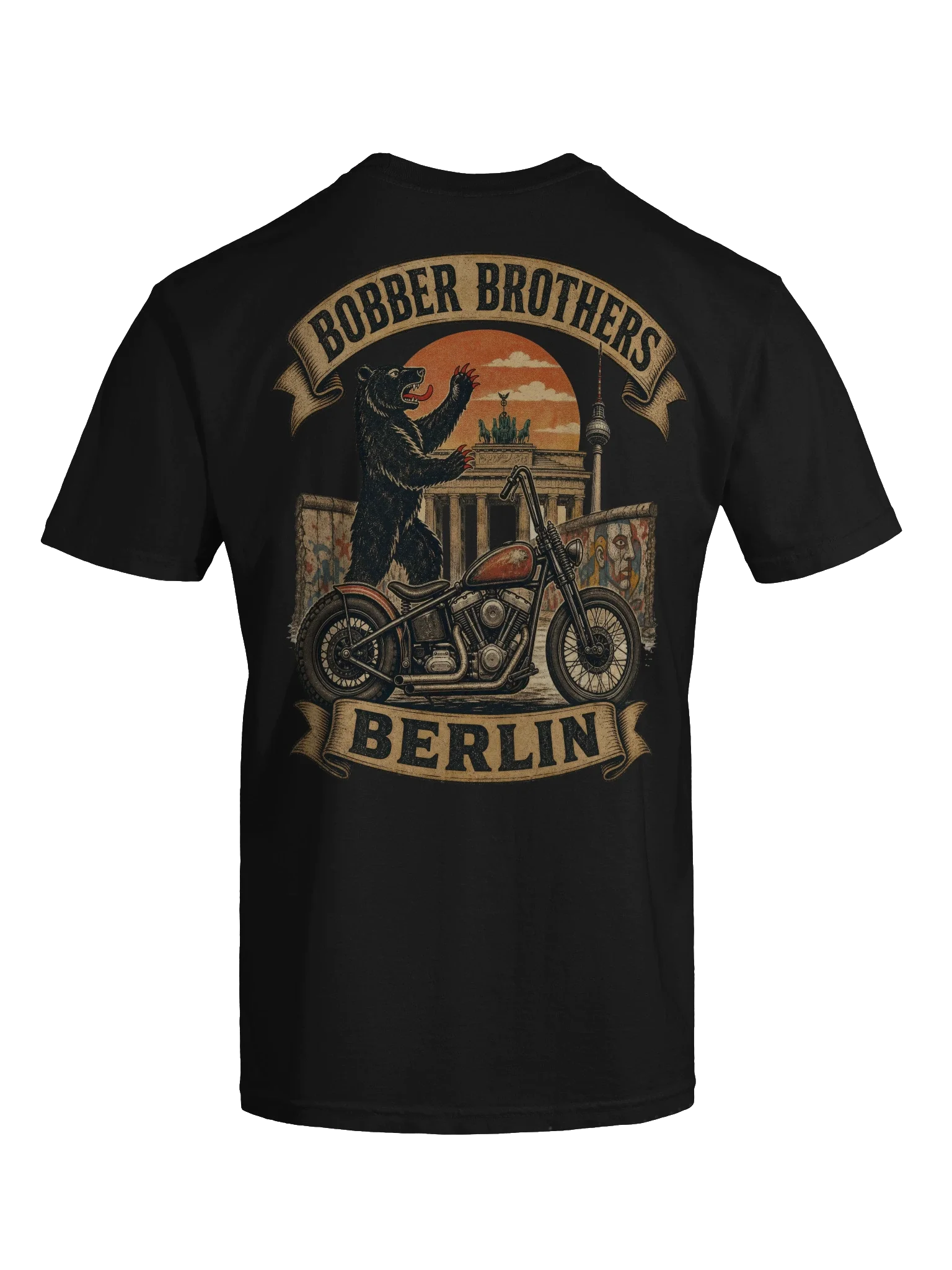
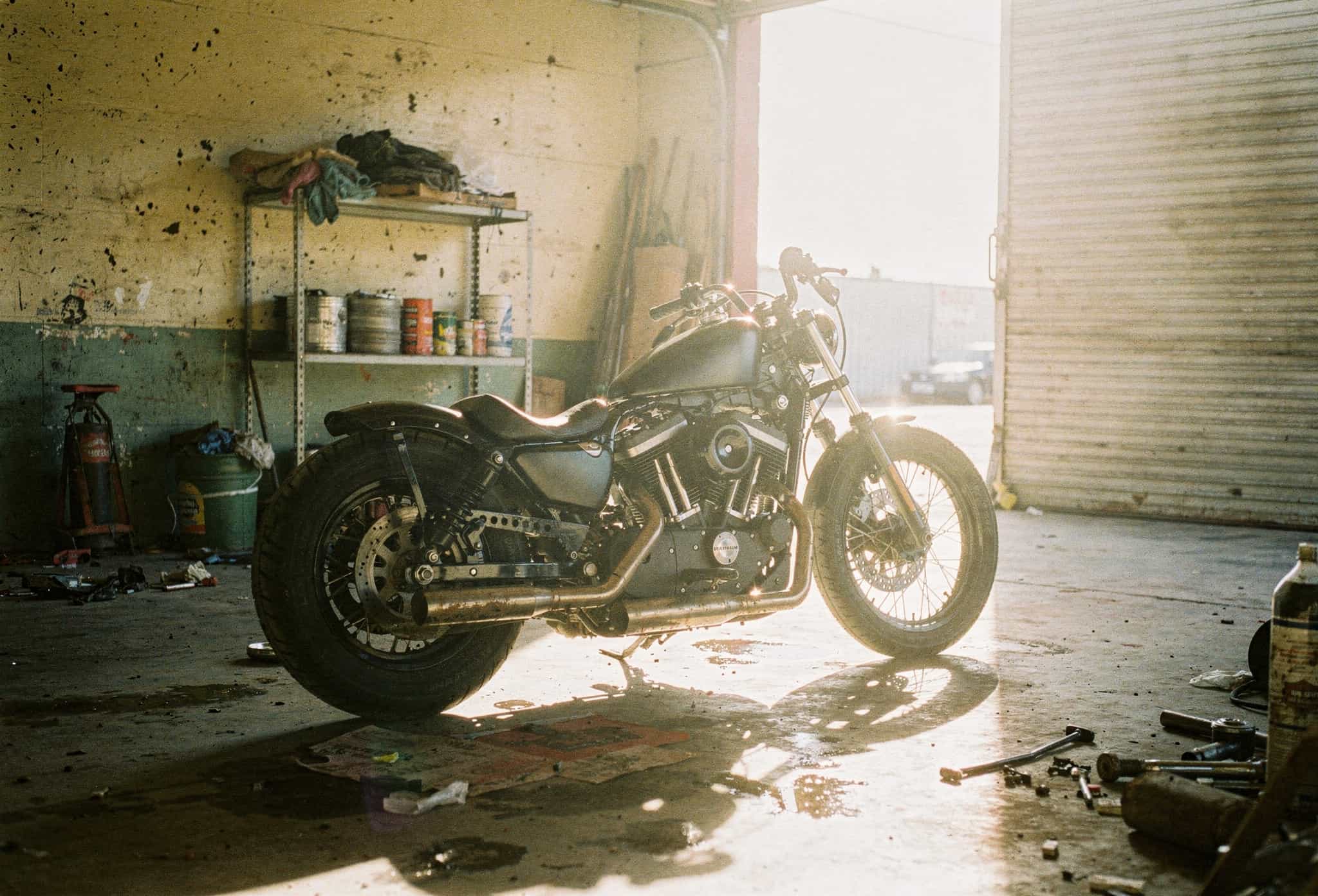
The stock solo seat on a late Iron 883 comes off quickly, but a spring saddle is not a slide-on part. Harley’s own XL spring-seat instructions require a model-correct mounting kit, brackets, hardware, specified torque and a final pull test to confirm the seat is secure. That small job captures the rule for the whole build: the visual idea is simple, while fitment and safe installation still belong to the exact model and part.
The rest of this guide is about the decisions that come before those three bolts. Which Sportster to buy, which model years to walk away from, and where builders spend money that does nothing.
Why the Sportster Became the Default Bobber Donor
The XL Sportster ran from 1957 to 2022. Harley’s own Sportster history dates the Evolution engine’s arrival to 1986, in 883cc and 1100cc sizes, with the 1200 replacing the 1100 in 1988. That is 36 model years of a fundamentally similar air-cooled Evo design inside a 65-year nameplate, and it is the reason the parts catalog is what it is.
Three structural advantages follow from that run.
It is lighter than the traditional Big Twin donor compared here. Harley’s published figure for the 2018 XL883N is 564 pounds in running order. The 2026 Street Bob is listed at 646 pounds, an 82 pound difference. That matters when moving a donor around a garage. It is not a claim that the air-cooled Sportster is lighter than every current Harley: the 2026 Nightster is listed at 481 pounds running order.
The geometry is already close to what a bobber wants. The 2018 Iron 883 lists a 59.6 inch wheelbase, 30 degrees of rake and 4.6 inches of trail. The Street Bob runs 64.2 inches of wheelbase and 6.2 inches of trail. Shorter and quicker steering, straight from the factory.
The aftermarket is enormous. Sixty-five years of production means bolt-on fenders, seat brackets, exhausts, lighting mounts and controls exist as model-specific parts rather than as fabrication projects. That single fact is the best predictor of whether a first build gets finished. If you are still deciding whether a bobber is what you actually want, start with what defines a bobber and come back.
The Donor-Year Guide
Model name matters less than model year on this platform. Four dates do most of the work.
| Year | What changed | Why a builder cares |
|---|---|---|
| 1986 | Evolution engine replaces the Ironhead, in 883 and 1100cc | Start of the platform that parts are made for |
| 2004 | Rubber isolation engine mounts replace rigid mounts | Much less vibration through the bars and pegs |
| 2007 | Electronic sequential port fuel injection replaces carburetors | Changes what an exhaust swap costs you |
| 2014 | Larger front and rear brake components, ABS option, new harness, digital tachometer and gear display; keyless ignition with the optional Smart Security System | A useful late-model donor boundary |
Read that table as a buying order. A 2014-or-later rubber-mounted, injected Sportster is the least compromised donor. A 2007 to 2013 bike is the value sweet spot and gives up the brakes and the tachometer. A pre-2004 rigid-mount bike vibrates hard enough that some riders love it and others sell it within a season, so ride one before you commit to one.
One dating note worth knowing, because it turns up in listings. The XL883N Iron 883 was announced by Harley on 26 January 2009 and sold as a 2009 model, but Harley’s own Sportster history timeline places the Iron joining the Dark Custom line in 2010. The 2009 date is the one supported by the announcement and the model-year designation. Our Iron 883 specification breakdown works through that discrepancy and the year-by-year changes in more detail.
What Harley Actually Published About Power
Harley did not publish a horsepower rating for the air-cooled Evolution Sportster in its US model materials. What it published was torque:
- 2018 XL883N Iron 883: 53.8 lb-ft at 3,750 rpm
- 2018 XL1200X Forty-Eight: 73 lb-ft at 3,500 rpm
- 2018 XL1200C 1200 Custom: 73 lb-ft at 3,750 rpm
Every “the 883 makes 50 horsepower” and “the 1200 makes 67” figure in circulation comes from a third-party dyno run or a homologation document, and almost none of them state dyno type, correction factor, or whether the number is at the crank or the wheel. Use them as rough guides and stop treating them as factory specifications.
The practical version is simpler than any number. An 883 is happy in town and on back roads and runs short of breath at sustained highway speed. A 1200 is not. If most of your miles are interstate, buy the 1200 rather than budgeting for a big-bore kit later.
Choosing Your Donor: Iron 883, Forty-Eight, or 1200 Custom
Iron 883: The Least Work
The XL883N is a common Sportster bobber donor because Harley did a chunk of the visual work already. It ships blacked out, with drag bars, a solo seat and a short rear fender. The bobber conversion is largely subtraction and a seat swap.
The trade is displacement and range-per-effort. The 3.3 gallon tank is the largest of the three usable options here, which helps, but the 883 asks more of the gearbox on a highway run than the 1200 does.
There is also a buying trap in the Iron’s popularity. Paying more for an Iron and then replacing the bars, seat and fender it came with is spending money twice. If the plan is a full re-spec anyway, compare local sold prices for a 1200 Custom rather than assuming either badge is cheaper.
Forty-Eight: Born Half-Bobber
The XL1200X Forty-Eight launched for the 2010 model year and is the closest thing to a factory Sportster bobber Harley built. Harley’s 2018 figures list the 1,202cc Evo, 73 lb-ft at 3,500 rpm, a 2.1 gallon peanut tank, a 58.9 inch wheelbase, 30.2 degrees of rake, 5.3 inches of trail, a 26.2 inch laden seat height and 556 pounds in running order.
That 2.1 gallon tank is the entire argument about this bike. It is the reason the proportions look right and the reason range is short. Swapping to a larger tank fixes the range and destroys the silhouette that made you buy the bike. For urban riding the tank is a non-issue. For anything beyond that, plan fuel stops or buy a different Sportster.
The suspension is the weak point in stock form: short travel, firm, and unforgiving on bad pavement. Progressive-rate shocks and better fork internals change the bike more than any cosmetic part will.
1200 Custom: The Blank Canvas
The XL1200C arrived in 1996, and the rubber-mounted version from 2004 is the one to look for. Harley’s 2018 figures list 73 lb-ft at 3,750 rpm, a 4.5 gallon tank, a 60.2 inch wheelbase, 30 degrees of rake, 4.2 inches of trail, a 26.6 inch laden seat height and 591 pounds in running order.
It is the least bobber-like of the three out of the box, which is exactly the appeal. Chrome, forward controls and a full fender all come off, and nothing about the factory styling constrains what you build. The 4.5 gallon tank also gives real range without modification, which matters more on a finished bobber than most build guides admit.
The cost is weight and work. It is the heaviest of the three and it needs the most parts changed to get to bobber proportions.
| Spec (2018 model year) | Iron 883 (XL883N) | Forty-Eight (XL1200X) | 1200 Custom (XL1200C) |
|---|---|---|---|
| Displacement | 883cc | 1,202cc | 1,202cc |
| Published torque | 53.8 lb-ft at 3,750 rpm | 73 lb-ft at 3,500 rpm | 73 lb-ft at 3,750 rpm |
| Fuel capacity | 3.3 gal | 2.1 gal | 4.5 gal |
| Wheelbase | 59.6 in | 58.9 in | 60.2 in |
| Rake / trail | 30 deg / 4.6 in | 30.2 deg / 5.3 in | 30 deg / 4.2 in |
| Seat height, laden | 25.7 in | 26.2 in | 26.6 in |
| Weight, running order | 564 lb | 556 lb | 591 lb |
| Bobber work needed | Minimal | Minimal | Moderate |
Harley did not publish horsepower for any of them.
The Mod Order That Works
Not every change moves the needle equally, and doing them out of order costs money. This is the sequence that produces a finished bike rather than a stalled one.
1. Sort the Mechanical Basics First
Brakes, tires, fluids, charging system and any deferred maintenance, before a single cosmetic part goes on. A bobber build that starts with a fender and ends with a seized caliper is a common and avoidable story.
2. Rear Fender and Seat, Together
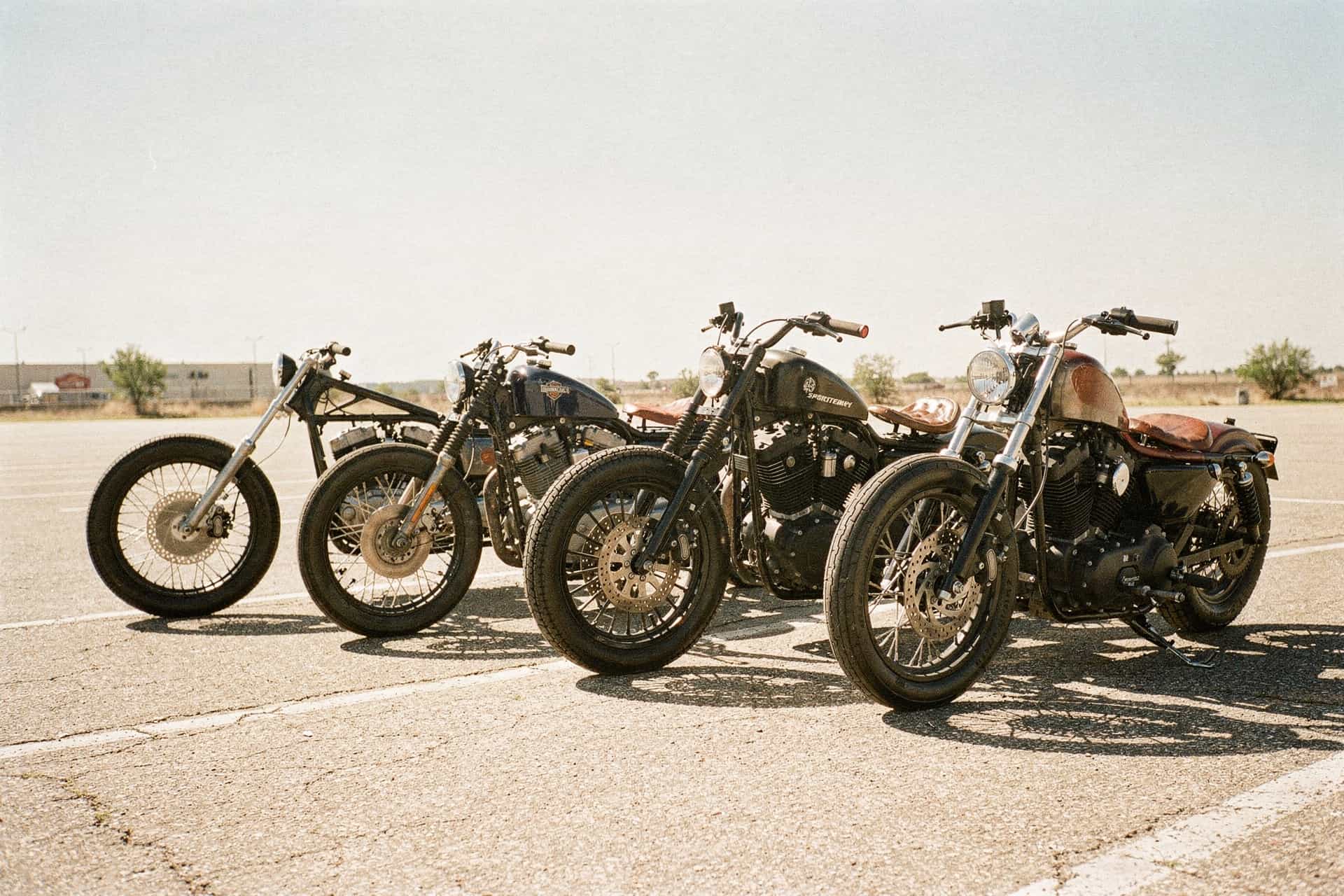
This is where a stock Sportster becomes a bobber. The full rear fender assembly and passenger pegs come off and a bobbed steel fender or a short custom piece goes on. The stock seat comes off and a sprung solo saddle mounts to the frame rails on a conversion bracket.
Do these two as one job. They only look right as a set, and mocking them up together is how you find out whether the fender line and the seat line agree before anything is cut.
A short fender provides less coverage from spray and debris in wet conditions. Check tire clearance through full suspension travel and choose the coverage for the weather you actually ride in before drilling or cutting.
3. Handlebars
Stock Iron 883 drag bars already suit a bobber. Coming from a 1200 Custom, bars are one of the biggest changes available in both look and riding position.
- Drag bars for the low, flat, aggressive line.
- Z-bars for the retro zigzag shape, a classic bobber look.
- Mini apes, 8 to 12 inch rise for a more relaxed wrist angle on longer rides without going toward chopper territory.
- Clubman bars if the build is drifting toward a cafe-tracker.
Budget for cables and brake lines alongside the bars. A significant height change needs them, and discovering that halfway through the job is what turns a two-hour swap into a two-week wait.
If you want some wind protection without turning the bike into a bagger, a Sportster quarter fairing is the tidiest compromise available on the platform.
4. Exhaust, Plus the Fuelling to Match
The stock Sportster exhaust is heavy and quiet by design. Swapping it changes both sound and the lower silhouette more than any other mechanical part.
Short-shot staggered pipes and stubby 2-into-1 systems are common Sportster bobber choices. Check noise and emissions approval for the exact system and jurisdiction before buying it. Straight drag pipes often fail those requirements and can also trade useful street-range response for noise.
Fuelling work depends on the exact combination. A high-flow intake and exhaust can require carburetor changes or ECM calibration, while some muffler-only kits do not. Follow the component instructions and verify mixture and running condition rather than assuming every exhaust swap needs the same parts. A genuinely lean air-cooled engine can run hot and ping under load, so symptoms need diagnosis rather than guesswork. Our Sportster 1200 upgrade guide covers how intake, exhaust and calibration have to be planned as one package.
5. Suspension and Stance
Do not choose a lowering number before identifying the model year, stock shock length, available wheel travel, tire-to-fender clearance and lean-angle loss. Low variants such as the Iron 883 and Forty-Eight already have limited suspension and cornering clearance. Use a shock listed for the exact model and load, set sag correctly, and verify clearance through full travel.
Up front, spring rate, preload, oil viscosity, oil height and damping work as a system. Use the service-manual baseline and a model-specific suspension recommendation. Heavier fork oil by itself is not a universal handling improvement and can slow damping too far.
Do not slam it. A build with the shocks near the end of their travel rides badly, wears components fast and turns every pothole into a decision. Leave real suspension travel unless the bike is a display piece. If you are weighing a genuine hardtail conversion instead, our hardtail versus softail comparison covers what that trade actually feels like over a season.
6. Lighting, Plate Mount and Cleanup
The stage that eats the most hours and gets the least credit, and the stage that decides whether the bike passes an inspection. A smaller headlight, an LED tail tucked under the seat or fender, a tidy plate mount, and relocated or flush-mounted signals. Do all of it before paint, because it needs brackets and brackets need fitting.
7. Drivetrain, Only If the Build Needs It
Belt final drive is quiet, clean and standard on modern Sportsters. A chain conversion opens up gearing changes and rear tire clearance at the cost of cleaning and adjustment. Change it because the build requires it, not because chain looks more mechanical. Our Sportster chain conversion guide covers the parts and the trade-offs.
What Drives the Cost of a Sportster Bobber
We are not publishing a build budget table. Used Sportster values and aftermarket pricing move by region, season and condition fast enough that any figure printed here would be wrong within a year, and a false budget is worse than no budget. Check current sold listings and current vendor pricing before you plan.
What does not change is the order of what drives the total, largest first:
- Fabrication versus bolt-on. A hand-formed fender, a relocated battery box or a rigid rear section multiplies labor over a catalog part that bolts to existing mounts. This is the biggest single fork in the road.
- Engine work. A big-bore kit, cams and a calibration is the most expensive line item available on this platform and the one most likely to be cut when the build runs long. Decide before you buy the donor, not after.
- Wheels and tires. Keeping serviceable stock rims avoids an upgrade cost. Re-lacing to a different diameter is one of the most expensive single decisions on the bike.
- Fuel tuning. A real cash cost when the selected intake and exhaust combination requires jets or ECM calibration. Check before buying parts.
- Getting it legal again. Lighting, plate mounting, mirrors and inspection requirements vary by state and country, and this is routinely underbudgeted after a fender chop.
- Paint. Rattle can to a booth job is the widest cost range on the whole build and changes nothing mechanical.
The Mistakes That Cost Sportster Builders the Most
Chopping the frame for a hardtail and regretting it. A rigid rear section looks right on a Sportster and rides hard on real roads. Shorter shocks preserve suspension, but they also reduce travel and clearance and can increase bottoming loads. They are a trade, not a rigid look without consequences. Frame cuts are one-way.
Skipping the configuration check after an exhaust or air-cleaner change. Read the component instructions, confirm whether fuelling work is required, and verify the running condition. Do not assume either that every change needs a tune or that none does.
Over-modifying a Forty-Eight. The 48 arrives most of the way there. Stripping the tank, the wheels and the fender off one to build something different means paying the Forty-Eight premium for parts you removed. An 883 or a 1200 Custom would have been the cheaper start.
Ignoring ergonomics. A bobber should look raw and still has to be ridden. Forward controls on a low, stripped Sportster put your knees at an awkward angle. Mid-mount controls with a sprung solo seat are usually both more comfortable and more period-correct.
Buying on model name instead of model year. The single most avoidable error on this platform. A cheap pre-2004 rigid-mount bike with a desirable badge is a worse donor than a plain later one.
Three Build Directions Worth Considering
These are approaches rather than specific bikes. Each one describes a coherent set of decisions that fit together, which is the part most build lists leave out.
The minimum-intervention Iron. Remove the passenger hardware, fit a model-correct solo-seat kit and a short bolt-on fender, choose a legal exhaust and complete any calibration its instructions require, then tidy the lighting. Nothing cut, nothing fabricated, everything reversible. This is the right first project for a builder who has not done one before.
The Forty-Eight, refined rather than rebuilt. Keep the tank, the laced wheels and the fat front tire, because they are what you paid for. Spend the budget on suspension, wiring cleanup, a better seat and paint. The 1200 has enough displacement that engine work is optional on a bike this light.
The 1200 Custom, taken apart properly. Strip the chrome, relocate the controls to mid-mount, replace the fender and the seat, shorten the rear, and treat the wiring as a project rather than a chore. This is the longest route and the only one where every decision is yours. Budget time accordingly, and read our rolling chassis guide if a frame-up path starts looking more honest than modifying a complete bike.
If you want to rep the culture while you wrench, our full collection and tees are made for garage duty. They are not protective riding gear, so ride in real gear.
Where the Platform Goes From Here
Harley ended air-cooled Evolution Sportster production in 2022 and replaced the line with the liquid-cooled Revolution Max bikes, the Nightster and the Sportster S. The new models are genuinely fast; Harley lists the Sportster S at 121 horsepower at 7,500 rpm. They are also harder to bob, because the radiator, the electronics packaging and the frame layout do not leave the same room for subtraction that the old XL did.
That makes the air-cooled Sportster a closed platform with a known parts supply, which is a good thing for a builder. The catalog is not going to get thinner quickly. What will get thinner is the supply of clean, unmodified donors, because every year more of them get cut.
So if you are choosing a donor, weight your search toward condition and model year rather than toward the badge on the tank. For platform-versus-platform comparison, our best Harley bobber builds roundup puts the Sportster next to the Softail, the Dyna and old iron with the criteria stated. If the Harley route is not the one, the Honda Shadow donor guide covers the cheapest serious alternative and the drivetrain trap that comes with it.
Now go pull those fender bolts.
Sources
- Harley-Davidson - Sportster history - the manufacturer’s timeline for the 1957 XL, the 1986 arrival of the Evolution engine in 883 and 1100cc, the 1988 move to 1200cc, and its 2010 dating of the Iron 883’s Dark Custom debut
- Total Motorcycle - 2018 Harley-Davidson Iron 883 specifications - Harley’s published XL883N figures used above: 53.8 lb-ft at 3,750 rpm, 3.3 gallon tank, 59.6 inch wheelbase, 30 degree rake, 4.6 inch trail, 25.7 inch laden seat height and 564 pound running-order weight
- Total Motorcycle - 2018 Harley-Davidson Forty-Eight specifications - the published XL1200X figures: 1,202cc, 73 lb-ft at 3,500 rpm, 2.1 gallon tank, 58.9 inch wheelbase, 30.2 degree rake, 5.3 inch trail, 26.2 inch laden seat height and 556 pound running-order weight
- Total Motorcycle - 2018 Harley-Davidson 1200 Custom specifications - the published XL1200C figures: 1,202cc, 73 lb-ft at 3,750 rpm, 4.5 gallon tank, 60.2 inch wheelbase, 30 degree rake, 4.2 inch trail, 26.6 inch laden seat height and 591 pound running-order weight
- Harley-Davidson Sportster - Wikipedia - cross-check for the 1996 introduction of the XL1200C, the 2004 move to rubber engine mounts, the 2009 introduction of the XL883N, the 2010 model-year launch of the XL1200X, and the end of Evolution Sportster production in 2022
- Harley-Davidson - Sportster S - the Revolution Max 1250T rating of 121 horsepower at 7,500 rpm cited for the replacement platform
- Harley-Davidson - Street Bob - the 2026 Street Bob figures used for the weight and geometry comparison: 646 pounds in running order, 64.2 inch wheelbase and 6.2 inch trail
- Motorcyclist - first look at the 2009 Harley-Davidson Iron 883 - contemporary coverage of the January 2009 introduction, used to date the model against Harley’s own timeline
- Harley-Davidson - XL spring seat mounting kit - model-specific bracket, hardware, torque and security-check requirements for a spring saddle
- Harley-Davidson - 2026 Nightster - current 481 pound running-order weight used to qualify the Harley weight comparison
- Harley-Davidson HOG magazine - 2014 Sportster changes - contemporary description of the brake and electrical revisions, optional ABS, and optional Smart Security System with keyless ignition
- Harley-Davidson - Sportster accessory slip-on mufflers - model-specific installation requirements without a blanket ECM-calibration instruction
- Harley-Davidson - Extreme Flow air cleaner installation - an official high-flow example whose instructions require ECM calibration for all listed models