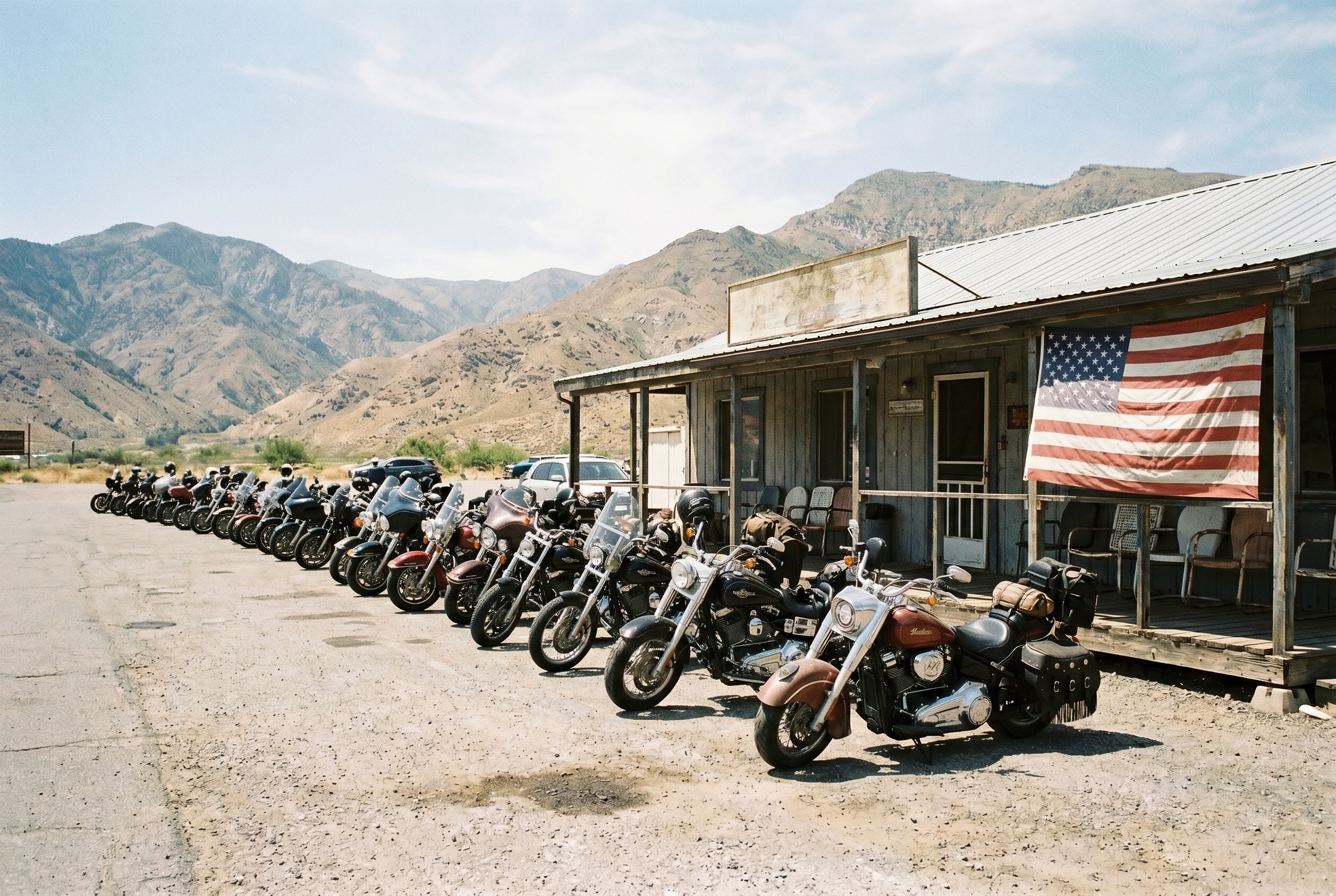
American motorcycle club culture is regional in a way that surprises people who only know the national headlines. The Hells Angels are not the dominant club everywhere. The Outlaws have territory the Hells Angels do not. The Bandidos own most of Texas. The Pagans run the East Coast and have not crossed the Mississippi in any meaningful way. Knowing what is where matters whether you are riding through, researching, or just trying to read the patches at a rally.
This is the state-by-state hub for documented US motorcycle club presence. Where we have a deeper article on a state or city, the link is in line. Everything below is sourced to the US Department of Justice, court records, books, or major press reporting. We are not naming current members, current chapter addresses, or current internal politics. The point is the historical and cultural map, not operational detail.
For the broader club structure context, our motorcycle clubs complete guide is the cluster pillar that ties all of this together. For the patch and symbology side, our outlaw MC patch meanings and biker patches meaning articles cover what the colors and emblems actually depict.
California: The Birthplace of the Modern American MC
California is where the modern American outlaw motorcycle club was born. The post-World War Two surplus of Harley-Davidson WLA and Indian motorcycles, combined with thousands of returning veterans looking for the brotherhood and adrenaline they had lost when the war ended, produced the conditions that built outlaw culture.
Documented California-rooted clubs include:
- The Hells Angels Motorcycle Club, founded 1948 in Fontana
- The Mongols Motorcycle Club, founded 1969 in Montebello
- The Vagos Motorcycle Club, founded 1965 in San Bernardino
- The Chosen Few MC, founded 1959 in Los Angeles as the first racially integrated outlaw motorcycle club
The 1947 Hollister rally in Hollister, California is the historical inflection point that produced the 1%er identity, covered in our What is a 1 percenter biker article. The 1969 Altamont Free Concert involving the Hells Angels and the Rolling Stones is one of the most documented incidents in both rock and biker history.
Texas: Bandidos Country
The Bandidos Motorcycle Club founded in 1966 in San Leon by Donald Eugene Chambers gives Texas the strongest single-club identity of any state. The Bandidos remain headquartered in Texas and operate the densest chapter network of any outlaw motorcycle club in the southern United States.
The 2015 Twin Peaks shootout in Waco, involving Bandidos, Cossacks, and other clubs, resulted in nine deaths and 177 arrests. Nearly all of the criminal cases were eventually dismissed due to prosecutorial issues, but the incident brought renewed national attention to outlaw motorcycle club conflicts in Texas.
Our Texas biker gangs article covers the documented club presence in the state in depth. The state also hosts the Texas biker rallies that draw clubs from across North America every year.
Arizona: 1%er Concentration
Arizona has one of the highest concentrations of documented outlaw motorcycle clubs of any state per capita. The combination of open desert highways, low population density outside the Phoenix and Tucson metro areas, and a long-standing American Southwest motorcycle tradition has made Arizona a focal point of MC activity for decades.
Documented Arizona club presence includes Hells Angels, Vagos, Mongols, Iron Brotherhood, Spartan Riders, and several smaller regional clubs. The state has been the site of multiple federal investigations into outlaw motorcycle gangs, and Arizona law enforcement has built specialized units focused on MC-related criminal investigation.
Our deep dive on the state is in the 5 most notorious motorcycle clubs in Arizona article.
Illinois: The Birthplace of the Outlaws
The Outlaws Motorcycle Club is one of the oldest documented 1%er clubs in the United States, with founding traced to 1935 in McCook, Illinois. That predates the 1947 Hollister incident by over a decade and makes the Outlaws older than the 1%er identity itself.
The Outlaws are the historic territorial rivals of the Hells Angels, with conflict between the two organizations stretching back to the 1960s and across multiple countries. Chicago and the broader Illinois area remain part of the club’s historical core. Our Outlaws MC profile covers the documented history.
For the broader Chicago-area club ecosystem, the Chicago biker gangs article walks through documented club presence in the metro area, including the Outlaws, the Hells Angels, and several smaller regional organizations.
Michigan: Detroit and the Outcasts
The Outcasts Motorcycle Club has a documented Detroit-area history dating to the 1960s and is one of the most established African American outlaw motorcycle clubs in the United States. The club operates chapters across the upper Midwest, the South, and parts of the East Coast.
Detroit’s broader motorcycle culture has produced both clubs and custom build culture. Our Detroit biker gangs article covers the documented club ecosystem. The 7 best Detroit choppers builds article covers the parallel custom motorcycle build tradition that emerged from the same city.
New York: The Pagans and the Hells Angels
New York is one of the few states with significant established presence of two major outlaw motorcycle clubs. The Pagans Motorcycle Club, founded in 1959 in Prince George’s County, Maryland, has operated in New York for decades, with concentration in parts of Long Island, Westchester, and upstate. The Hells Angels established a New York City chapter in the 1960s, with the Manhattan and Brooklyn chapters becoming some of the most photographed in the country.
The Pagans-Hells Angels relationship in New York has been the subject of multiple federal investigations and several high-profile criminal cases. The 5 most famous New York biker gangs article covers the documented club ecosystem in the state. The Unknown Bikers MC, founded in Brooklyn, is also a significant presence.
Florida: The Warlocks and the Outlaws
Florida is another state with significant established presence of multiple outlaw clubs. The Florida-based Warlocks Motorcycle Club, founded in 1967 in Lockhart, has its mother chapter in Florida and operates a substantial Florida chapter network. The Outlaws Motorcycle Club has long-established Florida chapters, and the territorial relationship between the two clubs has been the source of documented conflict over the years.
Our Warlocks MC profile covers the documented history of both the Florida-based and Pennsylvania-based clubs that share the Warlocks name.
Maryland and the Mid-Atlantic: Pagans Country
The Pagans Motorcycle Club, founded in 1959 in Prince George’s County, Maryland by Lou Dobkin, is the dominant outlaw motorcycle club presence in the Mid-Atlantic. Unlike the other major outlaw clubs, the Pagans have historically operated almost exclusively along the East Coast of the United States, with concentration in Maryland, Pennsylvania, New Jersey, Delaware, Virginia, and West Virginia.
The Pagans have not expanded internationally and have a smaller national footprint than the Hells Angels, Outlaws, or Bandidos. Within their region, however, they have one of the most established presences of any outlaw motorcycle club in the country. Our Pagans MC profile covers the club’s documented history.
Other Documented Regional Presence
| Region | Documented club presence | Reference |
|---|---|---|
| Pacific Northwest | Gypsy Jokers MC | Gypsy Jokers MC profile |
| Cincinnati and Ohio Valley | Iron Horsemen MC | Iron Horsemen MC profile |
| Colorado and Western US | Sons of Silence MC | Documented in DOJ National Gang Threat Assessment |
| Pacific Coast (Mexico-California border) | Vagos MC | Vagos MC profile |
| Multi-state, no specific territory | Nomad chapters of major clubs | Nomad biker gang article |
A Note on Crossings and Overlaps
The map above is documented club presence, not territorial exclusivity. Most US states have multiple outlaw motorcycle clubs operating simultaneously. The territorial dynamics that produce conflict happen at the city and county level, not the state level. A club’s documented presence in a state does not mean other clubs cannot operate there.
The historical pattern: when a major outlaw club moves into territory claimed by another, conflict typically follows. The Quebec Biker War of 1994 to 2002 between the Hells Angels and the Rock Machine in Canada (over 160 deaths) and the Great Nordic Biker War of 1994 to 1997 between the Hells Angels and Bandidos in Scandinavia (which involved military-grade weapons) are the most cited international examples. US-based territorial conflicts have been smaller in scale but documented in court records and federal investigations.
Reading the Map for Riders
If you are riding through a region you do not know, the practical takeaway is to read the patches you see and stay out of conversations you are not invited to. Wearing apparel that visually mimics a specific outlaw club’s protected colors, patches, or insignia in that club’s documented territory is a bad idea. The legal exposure (trademark) and the social exposure (the clubs themselves) are both real.
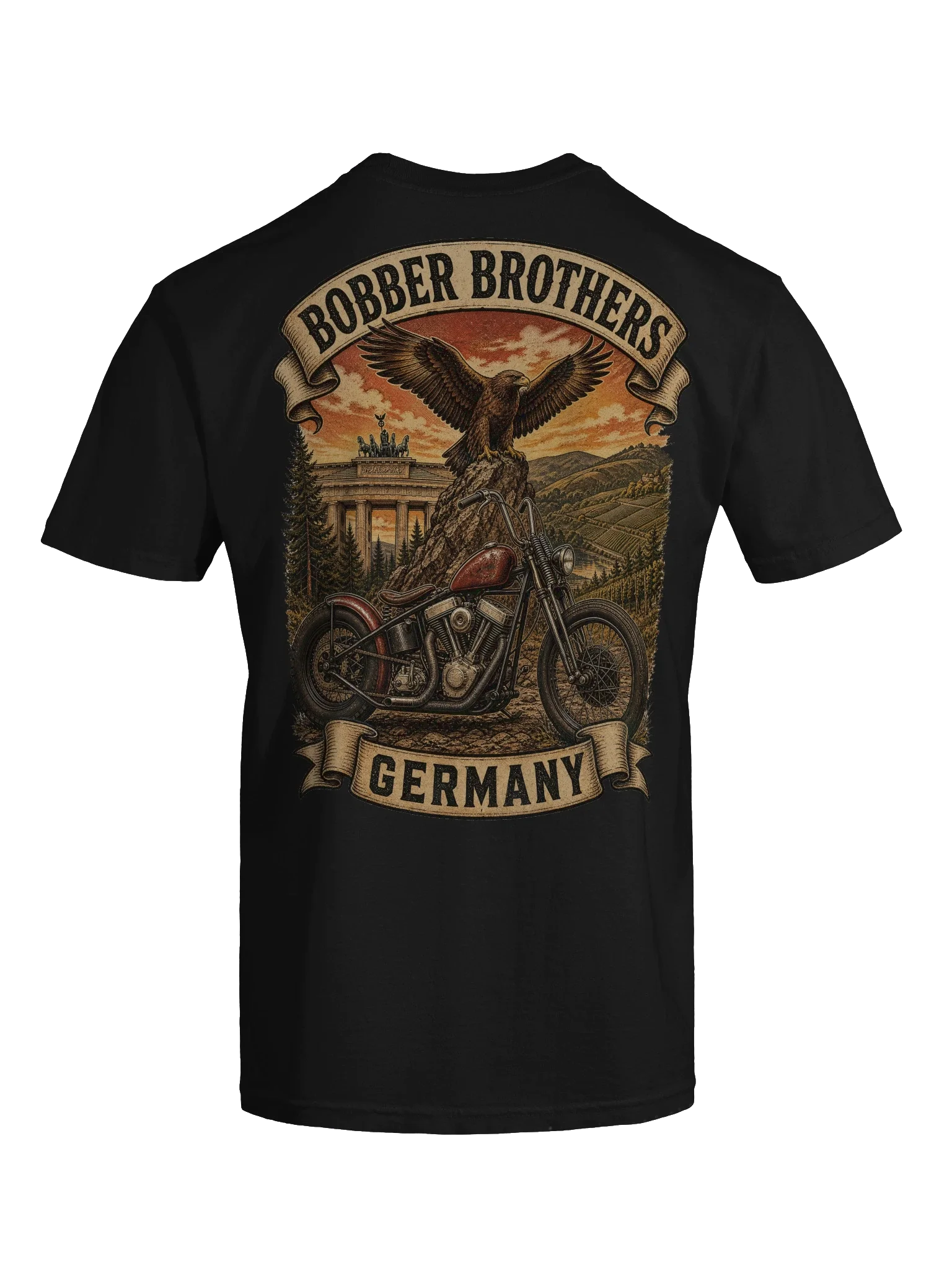
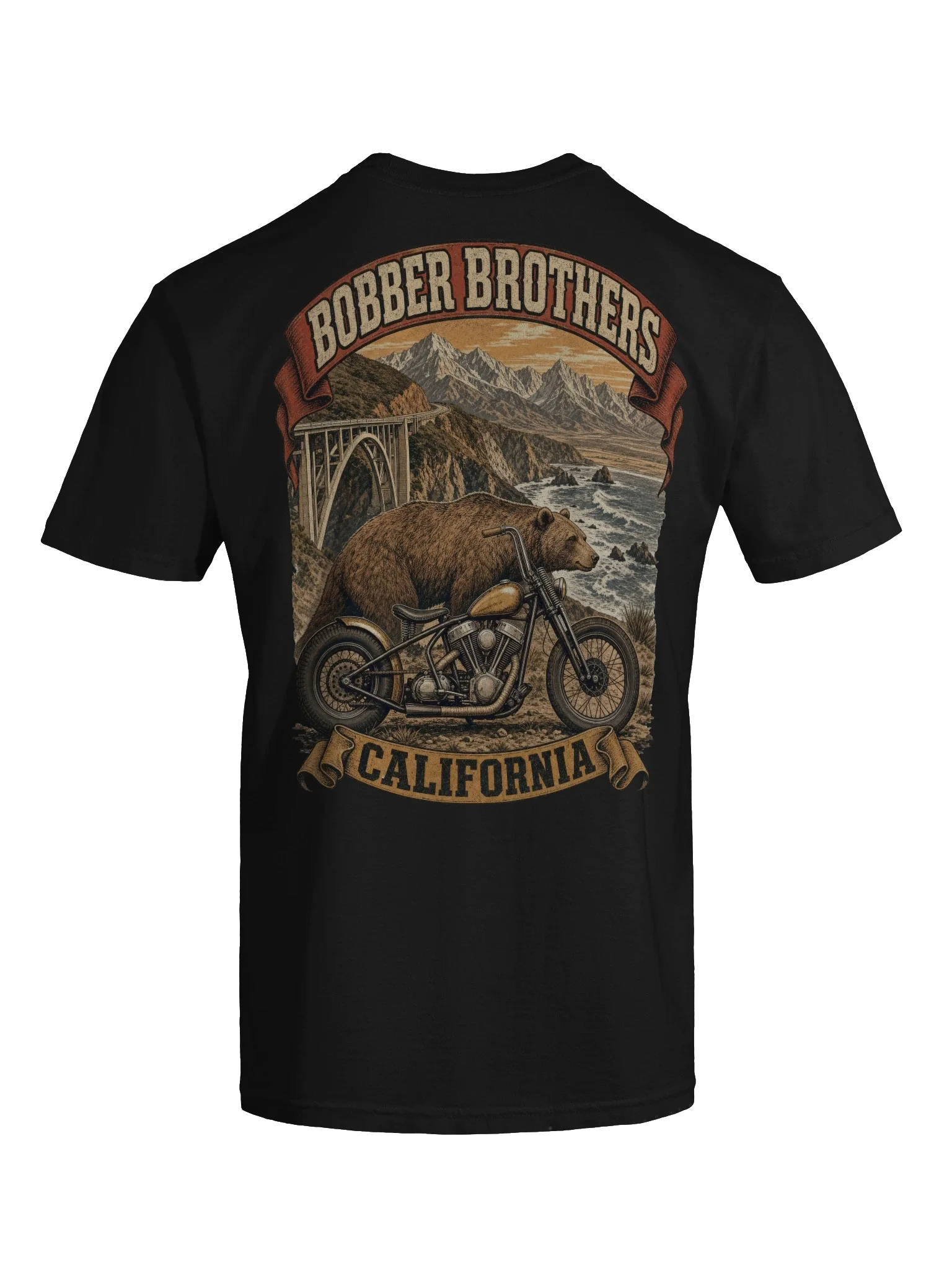
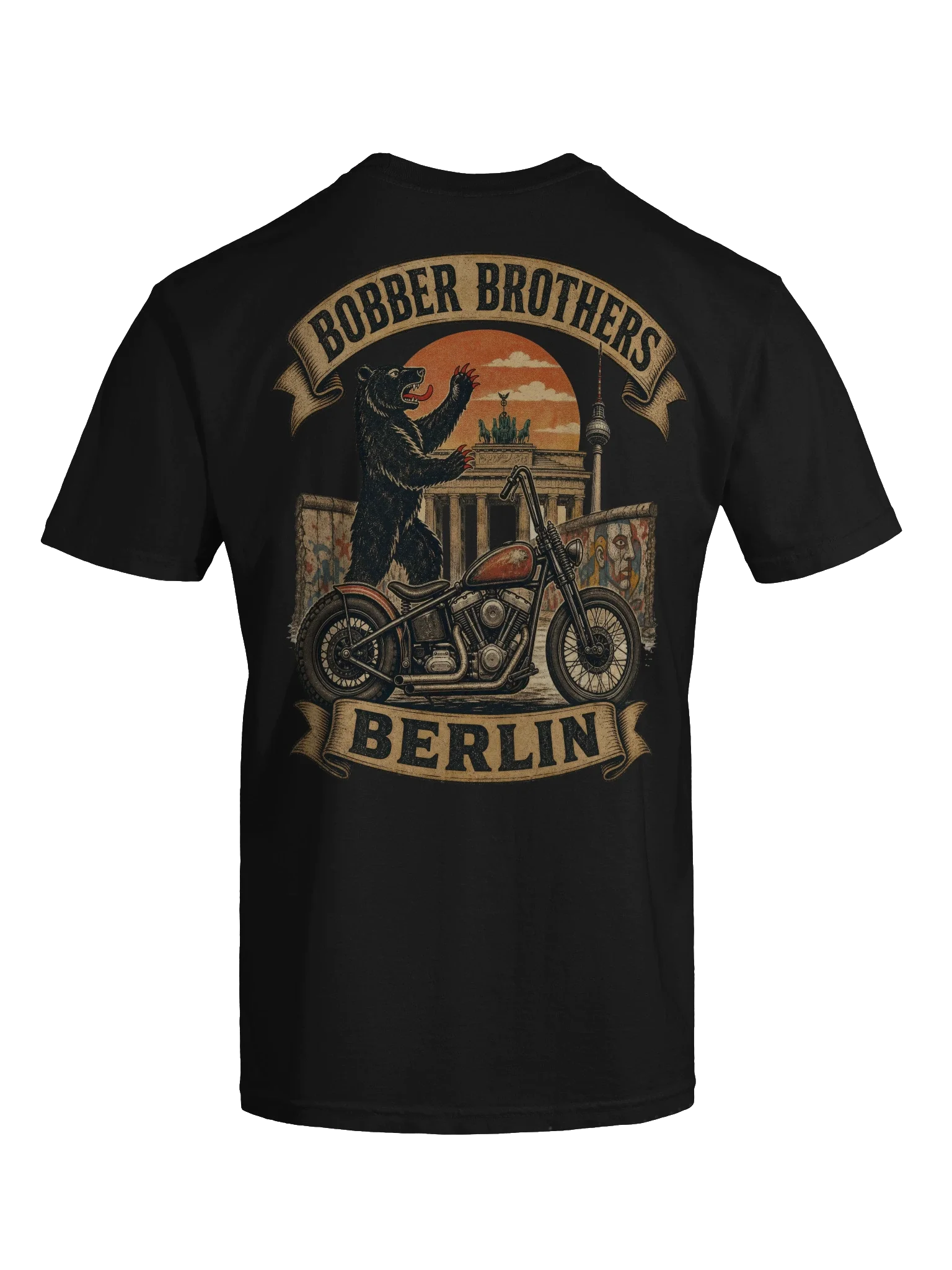
The lower-risk approach is generic biker apparel that draws on the broader American motorcycle culture without copying any specific club. Our Bobber Brothers t-shirts and hoodies are designed in exactly that lane, and our bobber clothing style guide walks through the design lines and how they fit together.
Where to Read Next
For the full national-level picture of the most documented outlaw motorcycle clubs, our most famous biker gangs article is the broadest overview. For the cultural context that produced all of this, the motorcycle culture guide covers the historical arc.
The American MC map is not static. New clubs form. Old clubs decline. Chapters open and close. What stays consistent is the regional pattern: the West Coast, Texas, the upper Midwest, the Mid-Atlantic, and Florida have always been the densest concentrations, and they remain so. Reading the patches at any rally in those regions tells you most of what you need to know about the local map.
Sources
- US Department of Justice - Outlaw Motorcycle Gangs. DOJ National Gang Intelligence Center classification of major US outlaw motorcycle clubs and their documented regional presence.
- The Canadian Encyclopedia - Quebec Biker War. Documented international precedent for territorial conflict between major outlaw motorcycle clubs.
- Twin Peaks biker shootout coverage - Texas Tribune. Reporting on the 2015 Waco incident and the documented Texas club presence.
- Barker, Thomas. Biker Gangs and Organized Crime. Anderson Publishing, 2007. Academic reference on US outlaw motorcycle club regional presence.
- Thompson, Hunter S. Hell’s Angels: The Strange and Terrible Saga of the Outlaw Motorcycle Gangs. Random House, 1967. Embedded reporting on California-rooted outlaw motorcycle culture.
- US National Gang Threat Assessment, 2015. Federal documentation of outlaw motorcycle gang presence by region.